


Popular
What is the significance of Beatrice's character in episode 26?
How does Battler's understanding of the game change in this episode?
What role does the concept of sacrifice play in the character arcs of the Ushiromiya family?
How does the episode depict the relationship between Battler and Beatrice?
What are the implications of the final confrontation in episode 26 for the overall narrative?
Should I watch it?
Ask Your Own Question

What is the plot?
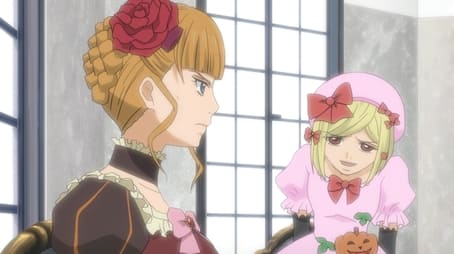
The episode begins with a somber atmosphere as the remaining members of the Ushiromiya family gather in the dining room of Rokkenjima. The tension is palpable, as the aftermath of the previous murders weighs heavily on everyone. Battler Ushiromiya, determined to confront the truth behind the events, engages in a heated discussion with Beatrice, the Golden Witch. Their dialogue is charged with emotion, as Battler challenges Beatrice's claims of being the one responsible for the murders.
As the conversation unfolds, Beatrice reveals her perspective on the nature of the game they are playing, emphasizing the concept of sacrifice. She explains that the game is not just about winning or losing but about the choices that lead to those outcomes. Battler, frustrated by the lack of clarity, pushes back against her assertions, insisting on the importance of evidence and logic in understanding the truth.
The scene shifts to a flashback where the family members are seen in happier times, highlighting the stark contrast to their current predicament. This moment serves to deepen the emotional stakes, as viewers witness the bonds that once existed among the family members. The flashback is interspersed with Battler's internal monologue, revealing his determination to uncover the truth and protect his loved ones.
Returning to the present, the atmosphere grows increasingly tense as Beatrice presents a new challenge to Battler. She proposes a series of riddles and puzzles that he must solve to prove his worthiness. Each riddle is steeped in the lore of the Ushiromiya family and the history of Rokkenjima, forcing Battler to confront not only the mysteries of the murders but also the dark secrets of his family's past.
As Battler grapples with the riddles, he experiences moments of doubt and frustration. He reflects on the sacrifices made by his family members and the implications of their choices. This introspection leads him to a pivotal realization about the nature of sacrifice and the weight of responsibility that comes with it.
The episode escalates as Battler finally confronts Beatrice with a bold declaration. He asserts that he will not accept her version of events without concrete evidence. This declaration marks a turning point in their relationship, as Beatrice begins to see Battler not just as a challenger but as a potential ally in understanding the deeper truths of their existence.
In a climactic moment, Battler manages to solve one of Beatrice's riddles, which leads to a revelation about the identity of the true culprit behind the murders. This revelation sends shockwaves through the narrative, as it challenges everything the characters believed to be true. The emotional weight of this discovery is palpable, as Battler realizes the implications of his findings for his family and their legacy.
The episode concludes with a dramatic confrontation between Battler and Beatrice, where they both acknowledge the complexity of their relationship. Battler's determination to uncover the truth is met with Beatrice's acknowledgment of the pain and sacrifice that comes with it. The final moments leave viewers with a sense of unresolved tension, as the battle between logic and magic continues, setting the stage for the next chapter in their intertwined fates.







What is the ending?
In the ending of "Umineko: When They Cry," season 1, episode 26 titled "Sacrifice," the story culminates in a confrontation between the characters and the truth of their circumstances. Battler faces Beatrice in a final showdown, where he must confront the reality of the murders and the existence of magic. The episode concludes with Battler rejecting Beatrice's world of magic, leading to a significant transformation in their relationship. The episode ends with a sense of unresolved tension, as the characters grapple with their fates and the implications of their choices.
As the episode begins, the atmosphere is thick with tension. The setting is the familiar, eerie mansion on Rokkenjima, where the tragic events have unfolded. Battler Ushiromiya stands resolute, determined to confront Beatrice, the witch who has haunted him throughout the series. The room is dimly lit, shadows dancing across the walls, reflecting the weight of the secrets that linger in the air.
Battler's internal struggle is palpable as he recalls the events that led to this moment. He feels a mix of anger, sorrow, and determination. He is not just fighting for his own life but for the truth of his family's tragic fate. Beatrice, adorned in her elegant witch attire, embodies both allure and menace. Her laughter echoes in the room, a haunting reminder of the magic and despair that have intertwined throughout the narrative.
As they engage in a battle of wits, Battler challenges Beatrice's claims of magic, insisting on the importance of logic and reason. The dialogue is charged with emotion, each word a testament to Battler's refusal to accept a world governed by supernatural forces. Beatrice, in turn, reveals her vulnerability, her laughter tinged with sadness as she confronts her own existence and the loneliness that comes with being a witch.
The scene shifts as the stakes rise. Battler's memories of his family flash before him, each image a reminder of the love and loss that have shaped him. He recalls the moments shared with his siblings, the warmth of their bonds, and the pain of their absence. This emotional turmoil fuels his resolve, pushing him to fight not just for himself but for the memory of those he has lost.
In a climactic moment, Battler declares that he will not succumb to Beatrice's world of magic. He asserts that the truth lies in the bonds of family and the choices they made, rather than in the fantastical narratives Beatrice has woven. This declaration resonates deeply, as it signifies Battler's growth and his acceptance of the harsh realities of life.
As the confrontation reaches its peak, the atmosphere shifts dramatically. The mansion begins to crumble around them, a physical manifestation of the conflict between magic and reality. Battler's determination shines through as he stands firm against the chaos, embodying the strength of human will. Beatrice, faced with the collapse of her world, experiences a moment of clarity. Her laughter fades, replaced by a somber acceptance of her fate.
In the final moments, Battler's rejection of Beatrice's magic leads to a poignant transformation in their relationship. Beatrice, once a figure of fear and mystery, becomes a symbol of the pain of isolation and the longing for connection. As the scene fades, Battler's resolve remains unbroken, a testament to the enduring power of love and the human spirit.
The episode concludes with a lingering sense of uncertainty. The characters are left to grapple with the implications of their choices and the unresolved mysteries that still haunt Rokkenjima. Battler's fate is intertwined with the memories of his family, while Beatrice's existence hangs in the balance, a reminder of the complexities of love, loss, and the search for truth. The screen fades to black, leaving viewers with a haunting sense of both closure and the promise of further exploration in the narrative to come.
Is there a post-credit scene?
In "Umineko: When They Cry," Season 1, Episode 26 titled "Sacrifice," there is indeed a post-credit scene. After the main episode concludes, the screen fades to black, and a new scene begins.
In this post-credit sequence, the atmosphere is somber and reflective. The scene opens with a view of the vast, desolate landscape of Rokkenjima, the island that has been the center of the tragic events throughout the series. The camera pans slowly over the remnants of the mansion, now shrouded in mist, evoking a sense of loss and melancholy.
As the scene unfolds, we see a figure standing alone on the cliffside, gazing out at the turbulent sea. This figure is Battler Ushiromiya, who appears contemplative and burdened by the weight of the revelations he has faced. His expression is a mix of determination and sorrow, reflecting his internal struggle with the truths he has uncovered about his family and the nature of the game he has been trapped in.
The wind blows through his hair, and the sound of crashing waves fills the air, symbolizing the chaos and turmoil that has surrounded the Ushiromiya family. Battler's thoughts are heavy with the memories of those he has lost and the sacrifices made throughout the series. He clenches his fists, a sign of his resolve to confront the challenges ahead, even as he grapples with the pain of betrayal and the complexity of love and loss.
The scene fades to black once more, leaving viewers with a lingering sense of uncertainty and the promise of further conflict and resolution in the story to come. This post-credit moment encapsulates the themes of sacrifice and the emotional toll of the events that have transpired, serving as a poignant reminder of the series' deeper narrative layers.
What is the significance of Beatrice's character in episode 26?
In episode 26, Beatrice's character embodies the themes of sacrifice and redemption. She grapples with her identity as both a witch and a human, revealing her deep emotional turmoil. Her interactions with Battler highlight her desire for acceptance and love, as she confronts the consequences of her actions throughout the series.
How does Battler's understanding of the game change in this episode?
In this episode, Battler's understanding of the game evolves significantly. He begins to see the layers of manipulation and the emotional stakes involved, particularly in relation to Beatrice. Battler's determination to confront the truth leads him to challenge the very nature of the game, pushing him to seek a resolution that transcends mere victory.
What role does the concept of sacrifice play in the character arcs of the Ushiromiya family?
The concept of sacrifice is central to the Ushiromiya family dynamics in this episode. Characters are faced with choices that test their loyalties and moral boundaries. The emotional weight of their sacrifices is palpable, as they confront the consequences of their actions and the impact on their relationships, particularly in the context of family bonds and betrayal.
How does the episode depict the relationship between Battler and Beatrice?
The relationship between Battler and Beatrice is depicted with intense emotional complexity in this episode. Battler's struggle to understand Beatrice's motivations leads to moments of vulnerability and confrontation. Their interactions are charged with a mix of love, resentment, and a longing for connection, culminating in a poignant exploration of their intertwined fates.
What are the implications of the final confrontation in episode 26 for the overall narrative?
The final confrontation in episode 26 serves as a pivotal moment for the narrative, as it encapsulates the themes of truth and illusion. The stakes are raised as Battler and Beatrice face off, revealing the deeper layers of their conflict. This confrontation not only impacts their personal journeys but also sets the stage for the unfolding mysteries and the exploration of the nature of reality within the series.
Is this family friendly?
"Umineko: When They Cry" is not considered family-friendly, particularly in episode 26 titled "Sacrifice." The series contains several potentially objectionable or upsetting elements, including:
-
Violence and Gore: The episode features graphic depictions of violence, including murder and bloodshed, which may be disturbing for younger viewers or sensitive individuals.
-
Psychological Horror: The narrative delves into themes of betrayal, despair, and existential dread, which can be unsettling and may provoke anxiety.
-
Death and Loss: Characters face significant emotional turmoil related to death and sacrifice, which can be heavy and distressing.
-
Complex Themes: The exploration of morality, sacrifice, and the darker aspects of human nature may be difficult for children to comprehend and process.
These elements contribute to a mature atmosphere that is not suitable for a younger audience or those who are sensitive to such themes.