


Popular
What happens during the summoning ritual in the episode?
How does Italy's personality affect the summoning process?
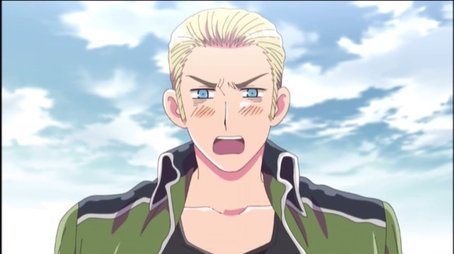
What is Germany's reaction to the summoning and how does it reflect his character?
What role does Japan play in the summoning ritual?
What comedic elements are present in the interactions between the characters during the episode?
Should I watch it?
Ask Your Own Question

What is the plot?
The episode begins with Italy, Germany, and Japan gathered in a dimly lit room, where they are discussing the concept of summoning the devil. Italy, with his usual carefree demeanor, expresses excitement about the idea, while Germany is skeptical and concerned about the potential consequences. Japan, on the other hand, seems intrigued and suggests that they should proceed with caution.
As the conversation continues, Italy enthusiastically proposes that they should perform a summoning ritual. He believes it would be fun and entertaining, despite Germany's protests. Germany, embodying his serious nature, warns them about the dangers of such an act, but Italy's enthusiasm is infectious, and he manages to convince both Germany and Japan to participate in the ritual.
The scene shifts to the trio preparing for the summoning. They gather various items needed for the ritual, including candles and a makeshift altar. Italy, in his typical playful manner, fumbles with the items, causing some chaos. Germany tries to maintain order, while Japan quietly observes, his expression a mix of curiosity and caution. The atmosphere is filled with a blend of excitement and tension as they set the stage for the summoning.
Once everything is in place, they begin the ritual. Italy leads the chant, his voice filled with enthusiasm, while Germany follows reluctantly, still expressing doubt about the whole endeavor. Japan, with a calm demeanor, joins in, adding an air of seriousness to the proceedings. As they chant, the room grows darker, and a strange energy fills the air, heightening the suspense of the moment.
Suddenly, a loud crash interrupts the ritual, and the lights flicker ominously. The trio is startled, and Germany's anxiety peaks as he realizes that they may have actually summoned something. Italy, still excited, insists that it's all part of the fun, while Japan remains composed, analyzing the situation. The atmosphere shifts from playful to tense as they await the outcome of their actions.
As the dust settles, a figure emerges from the shadows, revealing itself to be a devilish character. The devil, with a mischievous grin, begins to interact with the trio, teasing them about their foolishness in summoning him. Italy is fascinated and engages with the devil, asking questions and expressing his delight. Germany, however, is visibly distressed, trying to assert control over the situation and demanding that the devil leave.
The devil, amused by Germany's stern demeanor, decides to play along and offers to grant them wishes, but with a twist. He presents them with a series of challenges that they must complete in order to earn their wishes. Italy, ever the optimist, is eager to take on the challenges, while Germany is hesitant, fearing the potential consequences. Japan, maintaining his calm, suggests they should think carefully about their choices.
The challenges begin, and the trio faces various humorous and absurd tasks set by the devil. Italy, with his carefree attitude, dives into each challenge with enthusiasm, often leading to comical mishaps. Germany, trying to keep things organized, struggles to manage the chaos that ensues, while Japan approaches each task with a strategic mindset, often saving the day with his quick thinking.
As they progress through the challenges, the dynamic between the characters evolves. Italy's carefree nature contrasts sharply with Germany's seriousness, creating comedic tension. Japan's calm presence serves as a stabilizing force, allowing them to navigate the increasingly bizarre situations they encounter. The devil, enjoying the spectacle, continues to throw unexpected twists at them, further complicating their efforts.
Eventually, after a series of trials filled with laughter and frustration, the trio manages to complete the final challenge. They stand before the devil, exhausted but triumphant. Germany, still wary, demands that they be granted their wishes. The devil, impressed by their determination, agrees but reminds them that every wish comes with a price.
In the final moments, the trio reflects on their experiences, realizing that their bond has strengthened through the challenges they faced together. Italy, still hopeful, wishes for something lighthearted, while Germany, begrudgingly, wishes for order and control. Japan, with a thoughtful expression, wishes for peace and understanding among them.
The devil grants their wishes, but with a twist that leaves them in a humorous predicament. As the episode concludes, the trio finds themselves in a comical situation, highlighting the absurdity of their adventure. The devil, satisfied with the chaos he has caused, vanishes, leaving Italy, Germany, and Japan to navigate the aftermath of their summoning, filled with laughter and camaraderie.









What is the ending?
In the ending of "Hetalia: Axis Powers" episode 13, titled "Summoning the Devil," the characters engage in a humorous and chaotic attempt to summon the devil. The episode concludes with Italy, Germany, and Japan experiencing a series of comedic mishaps, leading to a light-hearted resolution where the characters reflect on their antics.
As the episode unfolds, the scene opens with Italy, Germany, and Japan gathered in a dimly lit room, surrounded by candles and a makeshift summoning circle. Italy, with his usual carefree demeanor, is excited about the prospect of summoning the devil, believing it will lead to fun and adventure. Germany, on the other hand, is skeptical and tries to maintain order, expressing his concerns about the seriousness of the situation. Japan, calm and collected, is intrigued but also cautious, embodying a sense of traditional respect for the supernatural.
As they begin the summoning ritual, Italy enthusiastically recites the incantation, his voice filled with childlike wonder. Germany, trying to keep things on track, repeatedly interrupts, insisting they need to follow the instructions precisely. Japan, meanwhile, observes quietly, occasionally offering his own insights, but mostly allowing the others to take the lead.
The atmosphere quickly shifts from excitement to chaos as Italy accidentally knocks over a candle, causing a small fire. Germany panics, rushing to extinguish the flames, while Italy giggles, finding the situation amusing. Japan, maintaining his composure, attempts to help but ends up getting tangled in the summoning circle, adding to the confusion.
As the chaos escalates, the characters' personalities shine through. Italy's carefree nature contrasts sharply with Germany's serious demeanor, highlighting their differing approaches to life. Japan's calmness serves as a stabilizing force, though he too becomes embroiled in the antics.
In a climactic moment, the summoning seems to work, and a shadowy figure appears, leading to a comedic misunderstanding. The figure, rather than being a fearsome devil, turns out to be a bumbling character who is more interested in joining their fun than causing any trouble. This twist brings a sense of relief and laughter, as the characters realize that their fears were unfounded.
The episode concludes with the three characters sitting together, reflecting on their wild experience. Italy is still giggling, Germany is exasperated but relieved, and Japan, with a slight smile, acknowledges the absurdity of the situation. They share a moment of camaraderie, reinforcing their bonds despite the chaos that ensued.
In the end, Italy remains his cheerful self, Germany learns to embrace a bit of spontaneity, and Japan continues to be the calm observer, all while having shared a memorable adventure together. The episode closes on a light note, emphasizing friendship and the joy of shared experiences, even in the face of chaos.
Is there a post-credit scene?
In the episode "Summoning the Devil" from Hetalia: Axis Powers, there is indeed a post-credit scene. After the main episode concludes, the scene shifts to a light-hearted moment featuring Italy, who is depicted in a whimsical and carefree manner.
In this brief segment, Italy is seen enjoying a plate of pasta, embodying his love for food and carefree spirit. He is animatedly talking to Germany, who appears slightly exasperated by Italy's antics. Italy's cheerful demeanor contrasts with Germany's more serious and stoic personality, highlighting their dynamic.
As Italy continues to eat and chatter, he inadvertently spills some pasta, which prompts a frustrated reaction from Germany. This moment encapsulates the comedic essence of their relationship, showcasing Italy's carefree nature and Germany's more disciplined approach. The scene serves as a light-hearted conclusion to the episode, reinforcing the comedic tone of the series while providing a glimpse into the characters' interactions outside of the main plot.
What happens during the summoning ritual in the episode?
In the episode 'Summoning the Devil', Italy, Germany, and Japan engage in a humorous and chaotic summoning ritual to call upon the devil. Italy, with his carefree and naive demeanor, is excited about the prospect of summoning a devil, while Germany is skeptical and tries to maintain order. Japan, on the other hand, is more serious and focused on the ritual, showcasing his traditional beliefs. The scene is filled with comedic misunderstandings and exaggerated reactions as they attempt to follow the ritual steps.
How does Italy's personality affect the summoning process?
Italy's personality plays a significant role in the summoning process. His carefree and whimsical nature leads to a lack of seriousness during the ritual, causing chaos. He often misinterprets the instructions and adds his own playful twists, which frustrates Germany, who is trying to keep things on track. Italy's enthusiasm contrasts sharply with Germany's stern demeanor, highlighting the comedic tension between the two characters.
What is Germany's reaction to the summoning and how does it reflect his character?
Germany's reaction to the summoning is one of frustration and disbelief. He is portrayed as the voice of reason, trying to maintain order amidst Italy's antics. His serious and disciplined nature is evident as he attempts to follow the ritual correctly, but he becomes increasingly exasperated with Italy's carefree attitude. This reflects Germany's character as someone who values structure and efficiency, often clashing with Italy's more laid-back approach.
What role does Japan play in the summoning ritual?
Japan plays a crucial role in the summoning ritual as the more serious and traditional character. He approaches the ritual with a sense of respect and focus, trying to ensure that the steps are followed correctly. Japan's calm demeanor contrasts with the chaotic energy brought by Italy and Germany, and he often finds himself caught between their differing attitudes. His character embodies a blend of mysticism and practicality, adding depth to the ritual's proceedings.
What comedic elements are present in the interactions between the characters during the episode?
The episode is filled with comedic elements stemming from the interactions between the characters. Italy's naive enthusiasm leads to misunderstandings, such as misreading the summoning instructions, which results in humorous situations. Germany's frustration escalates as he tries to rein in Italy's antics, leading to exaggerated reactions and slapstick moments. Japan's deadpan responses to the chaos around him add to the humor, creating a dynamic where the characters' personalities clash in a lighthearted and entertaining manner.
Is this family friendly?
In "Hetalia: Axis Powers" episode 13, titled "Summoning the Devil," there are a few elements that may be considered objectionable or upsetting for children or sensitive viewers:
-
Supernatural Themes: The episode revolves around the concept of summoning a devil, which may be unsettling for some viewers, especially younger children who might find the idea of demons or dark magic frightening.
-
Character Behavior: The characters often display exaggerated personalities and behaviors that can be interpreted as rude or aggressive, which might not be suitable for all audiences.
-
Cultural Stereotypes: The show employs humor based on national stereotypes, which can be misinterpreted or may not resonate well with all viewers, potentially leading to misunderstandings about different cultures.
-
Violence in Humor: There are instances of slapstick violence and comedic fighting that, while not graphic, may still be perceived as inappropriate for younger audiences.
-
Dark Humor: The episode contains elements of dark humor that may not be suitable for all viewers, particularly those who are sensitive to jokes about serious topics.
Overall, while the show is generally light-hearted and comedic, these aspects may warrant parental discretion for younger viewers.