
























Popular
What happens to Stella Oleson after the events of the first film?
Who is the main antagonist in 30 Days of Night: Dark Days?
How does Stella plan to confront the vampires in Los Angeles?
What role does the character Paul play in the story?
What is the significance of the vampire's ability to walk in daylight?
Should I watch it?
Ask Your Own Question

What is the plot?
Sorry, we aren't able to watch and write up a full detailed plot yet. Check back in a few days.





What is the ending?
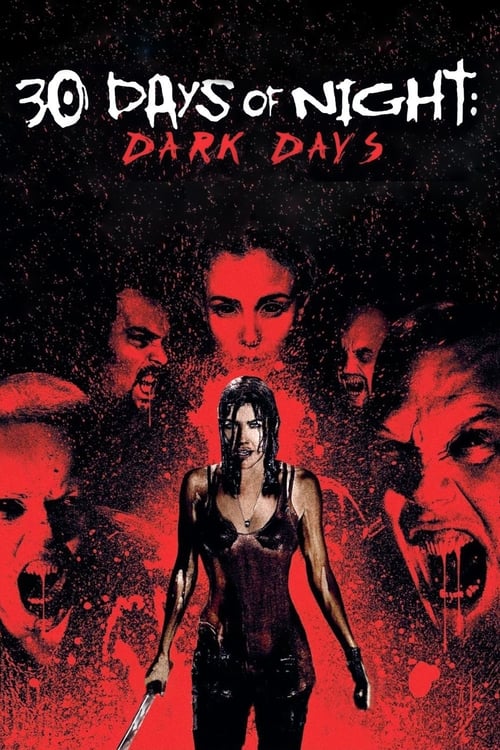
In the ending of "30 Days of Night: Dark Days," Stella, the protagonist, confronts the vampire leader, Lilith, in a final showdown. After a fierce battle, Stella manages to kill Lilith, but not without significant loss. The remaining survivors, including a few of Stella's allies, are left to deal with the aftermath of the vampire attack, and Stella is left to grapple with her own survival and the emotional scars of her experiences.
As the climax approaches, the scene unfolds in a dimly lit underground lair where Stella and her group of survivors have tracked the vampires. The atmosphere is tense, filled with the palpable fear of the impending confrontation. Stella, driven by a mix of vengeance and desperation, steels herself for the fight against the vampire clan that has haunted her since the events in Barrow, Alaska.
The group, consisting of Stella, her ally Paul, and a few others, prepares for the confrontation with Lilith and her followers. They are armed with weapons and a plan, but the weight of their past experiences hangs heavily on them. Each character is motivated by their own reasons: Stella seeks closure and revenge for the loss of her husband, while Paul is driven by a desire to protect Stella and redeem himself for past failures.
As they enter the lair, the tension escalates. The survivors navigate through the dark, eerie corridors, their flashlights flickering against the cold stone walls. The atmosphere is thick with dread, and the sound of distant whispers and scuttling echoes heightens their anxiety. They finally confront Lilith, who exudes a chilling confidence, her presence commanding and terrifying.
The battle erupts violently. Stella fights fiercely, her movements fueled by rage and determination. The choreography of the fight is brutal, showcasing the raw power of the vampires against the desperate resilience of the humans. Paul fights valiantly alongside Stella, but the odds are stacked against them. The struggle is not just physical; it is a clash of wills, with Stella embodying the hope of humanity against the darkness of the vampires.
In a pivotal moment, Stella manages to gain the upper hand against Lilith. With a swift and decisive action, she plunges a stake into Lilith's heart, ending the vampire leader's reign of terror. The moment is both triumphant and tragic, as the victory comes at a great cost. The remaining vampires, witnessing the fall of their leader, retreat into the shadows, leaving the survivors to catch their breath amidst the chaos.
However, the victory is bittersweet. Paul, who has fought bravely, suffers a fatal injury during the battle. As he lies dying, he shares a poignant moment with Stella, expressing his admiration for her strength and resilience. His death weighs heavily on Stella, amplifying her sense of loss and the emotional toll of their fight.
In the aftermath, the remaining survivors emerge from the lair, battered but alive. The world outside is still shrouded in darkness, a reminder of the horrors they have faced. Stella stands amidst the ruins of their battle, grappling with the emotional scars left by the vampires and the loss of her friends. The film closes on her somber expression, a mixture of relief and sorrow, as she contemplates the cost of survival and the lingering threat of the darkness that still exists in the world.
The fate of each main character is sealed in this final act: Stella survives, but she is forever changed by her experiences, carrying the weight of her losses. Paul dies heroically, a sacrifice that underscores the dangers they faced. The other survivors are left to navigate a world that is still haunted by the shadows of the vampires, a reminder that the fight against darkness is never truly over.
Is there a post-credit scene?
In "30 Days of Night: Dark Days," there is indeed a post-credit scene. After the credits roll, the scene opens in a dark, desolate setting, hinting at the ongoing threat of vampires. A group of survivors is seen in a dimly lit room, discussing the events that have transpired and the looming danger that still exists.
The atmosphere is tense, filled with a sense of dread and urgency. The survivors are visibly shaken, their faces marked by fear and determination. They are strategizing on how to combat the vampire menace that has plagued their lives, revealing their desperation and resolve to fight back.
As the camera pans, it focuses on a mysterious figure lurking in the shadows, suggesting that the vampire threat is far from over. This figure's presence serves as a chilling reminder that the battle against the vampires continues, leaving the audience with a sense of foreboding and anticipation for what might come next. The scene effectively encapsulates the film's themes of survival and the relentless nature of evil, reinforcing the idea that darkness is always lurking just out of sight.
What happens to Stella Oleson after the events of the first film?
After the events of the first film, Stella Oleson is haunted by her experiences in Barrow, Alaska. She becomes determined to expose the existence of vampires to the world, believing that if she can make people aware of the threat, they can be better prepared. This quest leads her to Los Angeles, where she seeks out other survivors and attempts to gather evidence.
Who is the main antagonist in 30 Days of Night: Dark Days?
The main antagonist in '30 Days of Night: Dark Days' is a powerful vampire named Lilith. She is portrayed as a cunning and ruthless leader of the vampire clan that attacked Barrow. Lilith is determined to eliminate Stella and anyone who poses a threat to her kind, showcasing her strength and manipulative nature throughout the film.
How does Stella plan to confront the vampires in Los Angeles?
Stella plans to confront the vampires in Los Angeles by organizing a group of survivors and using her knowledge of their weaknesses. She seeks out a vampire hunter named Paul, who has experience dealing with the undead. Together, they devise a plan to lure the vampires out and confront them directly, hoping to take down Lilith and her clan.
What role does the character Paul play in the story?
Paul is a vampire hunter who becomes an ally to Stella in her quest to confront the vampires. He is portrayed as a rugged and determined character, driven by a personal vendetta against the vampires after losing loved ones to them. His expertise and combat skills are crucial in helping Stella navigate the dangers posed by the vampire clan.
What is the significance of the vampire's ability to walk in daylight?
In '30 Days of Night: Dark Days', the vampires' ability to walk in daylight signifies a shift in their traditional weaknesses. This new trait makes them even more dangerous, as they can hunt and attack without the limitations of nightfall. This change raises the stakes for Stella and her allies, as they must adapt their strategies to combat a more formidable enemy.
Is this family friendly?
"30 Days of Night: Dark Days" is not family-friendly and contains several potentially objectionable or upsetting scenes that may be distressing for children or sensitive viewers. Here are some aspects to consider:
-
Graphic Violence: The film features intense scenes of violence, including brutal attacks and killings by vampires, which are depicted in a graphic manner.
-
Blood and Gore: There are numerous scenes with significant bloodshed and gore, showcasing the aftermath of vampire attacks, which can be quite disturbing.
-
Horror Elements: The overall atmosphere is dark and suspenseful, with jump scares and a pervasive sense of dread that may be frightening for younger audiences.
-
Death and Loss: Characters experience significant trauma, including the loss of loved ones, which is portrayed in a heavy emotional context.
-
Vampire Themes: The film explores themes of survival against predatory creatures, which may be unsettling for those sensitive to horror or supernatural elements.
-
Mature Themes: There are underlying themes of despair, hopelessness, and the struggle against overwhelming odds, which may be too intense for younger viewers.
Overall, the film is intended for a mature audience and contains content that could be upsetting or inappropriate for children.







