






















Popular
What motivates Walt Kowalski to initially reject his Hmong neighbors?
How does the relationship between Walt and Thao develop throughout the film?
What role does the Gran Torino car play in Walt's life and character development?
What is the significance of Walt's interactions with the gang that threatens Thao and his family?
How does Walt's character reflect the themes of redemption and sacrifice in the film?
Should I watch it?
Ask Your Own Question

What is the plot?
Sorry, we aren't able to watch and write up a full detailed plot yet. Check back in a few days.






What is the ending?
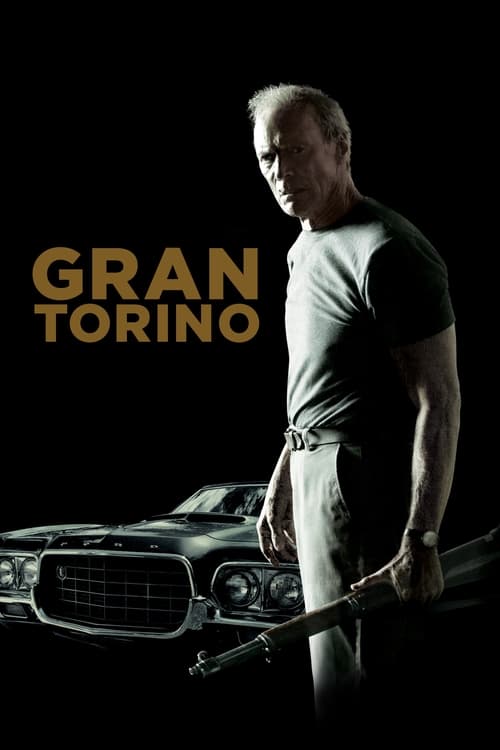
In the ending of Gran Torino, Walt Kowalski sacrifices himself to protect his Hmong neighbors from a gang. He confronts the gang members, drawing a gun and provoking them, which leads to his death. This act of selflessness ultimately brings peace to the neighborhood and allows Thao and his family to live without fear.
As the film approaches its climax, the tension in the neighborhood escalates. Walt Kowalski, a grizzled Korean War veteran, has developed a bond with his Hmong neighbors, particularly with Thao, a young man struggling to find his place in a world filled with gang violence and familial expectations. Walt has witnessed the harassment and threats posed by a local gang, which has been targeting Thao and his family.
In the final scenes, Walt decides to take a stand. He knows that the gang poses a significant threat to Thao and his sister, Sue. The night is dark, and the atmosphere is heavy with impending confrontation. Walt, wearing his signature plaid shirt and a determined expression, walks towards the gang's hangout, his Gran Torino parked nearby, a symbol of his past and his stubbornness.
As he approaches, the gang members, who are initially surprised to see him, quickly turn hostile. Walt, however, is unfazed. He pulls out his gun, a .45 caliber, and points it at the gang members. In a moment of defiance, he taunts them, making it clear that he is not afraid to die. His face is a mixture of anger and resignation, reflecting his internal struggle and the weight of his decision. He knows that this act is not just about him; it's about protecting Thao and Sue from the cycle of violence that has ensnared them.
The gang members, caught off guard by Walt's boldness, hesitate. But as they realize he is serious, they draw their weapons. In a tragic turn of events, Walt lowers his gun, allowing the gang to shoot him. His death is swift, and he collapses to the ground, a look of peace on his face, as if he has finally found a sense of purpose and redemption in his final moments.
In the aftermath, Thao and Sue witness the scene from a distance. The police arrive, and the gang members are apprehended. Walt's sacrifice has broken the cycle of violence, and the neighborhood begins to heal. Thao, who has been struggling with his identity and the expectations placed upon him, is left with a profound sense of responsibility. He steps up to honor Walt's legacy, vowing to protect his family and community.
The film concludes with Thao and Sue standing by the Gran Torino, which has become a symbol of Walt's life and the lessons he imparted. The camera lingers on Thao's face, reflecting a mix of grief and determination. The final shot of the Gran Torino driving away signifies not just the end of Walt's life but the beginning of a new chapter for Thao and his family, free from the fear that once dominated their lives.
In summary, Walt Kowalski's fate is one of sacrifice, as he gives his life to protect those he has come to care for. Thao and Sue, on the other hand, are left to carry on his legacy, embodying the hope for a better future in their community.
Is there a post-credit scene?
The movie "Gran Torino," directed by Clint Eastwood, does not have a post-credit scene. After the film concludes, the credits roll without any additional scenes or content. The story wraps up with the emotional resolution of Walt Kowalski's journey, leaving the audience to reflect on the themes of redemption, sacrifice, and the impact of personal connections across cultural divides. The final moments focus on the legacy Walt leaves behind, particularly in relation to Thao and the community he has come to care for, emphasizing the film's poignant conclusion.
What motivates Walt Kowalski to initially reject his Hmong neighbors?
Walt Kowalski, a Korean War veteran, is initially motivated by his deep-seated prejudice and resentment towards his Hmong neighbors, stemming from his experiences in the war and his isolationist mindset. He views them as intruders in his neighborhood, which he believes has been overtaken by immigrants, and he expresses this through his harsh language and dismissive attitude.
How does the relationship between Walt and Thao develop throughout the film?
Walt's relationship with Thao begins with hostility and disdain, as he sees Thao as a weak and timid young man. However, after Thao attempts to steal Walt's Gran Torino as part of a gang initiation, Walt takes him under his wing, teaching him about masculinity, work ethic, and self-respect. This mentorship evolves into a bond of mutual respect, as Walt comes to see Thao as a surrogate son.
What role does the Gran Torino car play in Walt's life and character development?
The Gran Torino car symbolizes Walt's past, his pride, and his connection to a time when he felt in control of his life. As the film progresses, the car becomes a representation of Walt's transformation; it is both a source of nostalgia and a catalyst for change. By the end, Walt's decision to sacrifice the car for Thao's future signifies his acceptance of change and his commitment to protecting his neighbor.
What is the significance of Walt's interactions with the gang that threatens Thao and his family?
Walt's interactions with the gang highlight his protective instincts and willingness to confront his own fears. Initially, he is dismissive of the gang's threats, but as they escalate, he becomes increasingly involved, ultimately leading to a climactic confrontation. This reflects Walt's internal struggle between his ingrained prejudices and his growing sense of responsibility towards Thao and his family.
How does Walt's character reflect the themes of redemption and sacrifice in the film?
Walt's character arc is a journey of redemption, as he moves from a bitter, isolated man to someone who finds purpose in protecting Thao and his family. His ultimate sacrifice at the end of the film, where he confronts the gang to ensure Thao's safety, serves as a powerful act of redemption, allowing him to atone for his past and embrace a sense of community and belonging.
Is this family friendly?
"Gran Torino," directed by Clint Eastwood, contains several elements that may not be suitable for children or sensitive viewers. Here are some potentially objectionable aspects:
-
Strong Language: The film features frequent use of profanity, including racial slurs and derogatory terms, which may be upsetting to some viewers.
-
Violence: There are scenes depicting violence, including threats and physical altercations, which may be intense and disturbing.
-
Themes of Racism and Prejudice: The film explores themes of racism and cultural conflict, which may be challenging for younger audiences to understand.
-
Death and Grief: The narrative includes themes of mortality, loss, and the impact of death on individuals and families, which can be emotionally heavy.
-
Gang Activity: The presence of gang-related issues and criminal behavior is a significant part of the story, showcasing a harsh reality that may be unsettling.
-
Mature Themes: The film deals with complex themes such as redemption, forgiveness, and the struggles of aging, which may not resonate with younger viewers.
These elements contribute to the film's mature rating and may not be appropriate for all audiences.









