








































Popular
What is the significance of the Dante's Inferno theme in the movie?
Who is Sienna Brooks and what role does she play in Langdon's journey?
What is the role of the World Health Organization in the plot?
How does Robert Langdon's amnesia affect the story?
What is the significance of the virus created by Bertrand Zobrist?
Should I watch it?
Ask Your Own Question

What is the plot?
Sorry, we aren't able to watch and write up a full detailed plot yet. Check back in a few days.






What is the ending?
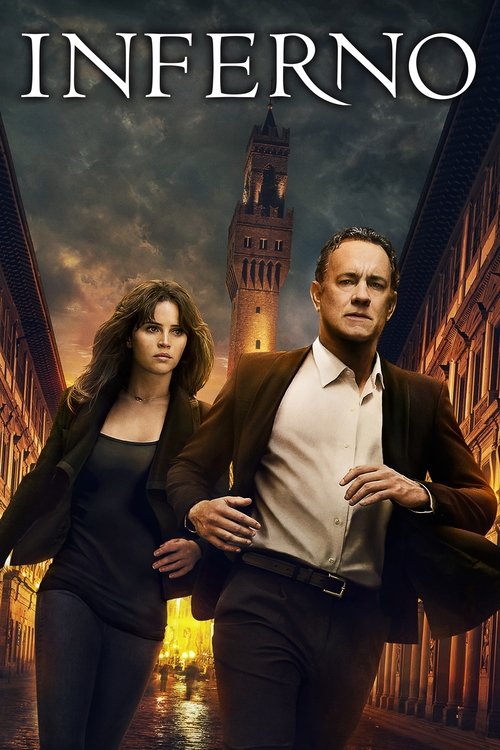
In the ending of "Inferno," Robert Langdon and Sienna Brooks manage to stop the release of a deadly virus created by the villainous Bertrand Zobrist. They find the virus hidden in a water supply in Florence, Italy, and prevent a global catastrophe. However, Sienna, who has been revealed to have her own motivations, ultimately decides to go her own way, leaving Langdon to reflect on the events that transpired.
As the film concludes, Langdon is left with a sense of uncertainty about the future, while Sienna's fate remains ambiguous as she disappears into the crowd, having made a choice that separates her from Langdon.
The ending of "Inferno" unfolds in a series of tense and dramatic scenes, each filled with urgency and emotional weight.
Scene 1: The climax takes place in Florence, where Robert Langdon and Sienna Brooks race against time to locate the virus that Bertrand Zobrist has hidden. They are aware that Zobrist's plan involves unleashing a pandemic to control the world's population. The atmosphere is thick with tension as they navigate the historic streets, their hearts pounding with the weight of the world on their shoulders.
Scene 2: They arrive at the Palazzo Vecchio, where they believe the virus is hidden. Langdon's knowledge of Dante Alighieri's "Divine Comedy" plays a crucial role in deciphering clues that lead them to the location. The urgency escalates as they realize they are being pursued by agents of the World Health Organization, who are also trying to prevent the outbreak. The stakes are high, and the emotional turmoil is palpable as Langdon grapples with the moral implications of Zobrist's plan.
Scene 3: In a frantic race against time, they discover that the virus is concealed in a water supply system. The visuals are striking, with the ancient architecture of Florence juxtaposed against the modern threat of biological warfare. Langdon and Sienna work together, their bond deepening as they face the imminent danger. The tension peaks as they manage to locate the virus just in time, and with a combination of quick thinking and teamwork, they successfully neutralize the threat.
Scene 4: However, the resolution is bittersweet. Sienna, who has been a complex character throughout the film, reveals her own motivations. She has been torn between her admiration for Zobrist's vision of a controlled population and her growing bond with Langdon. In a moment of clarity, she decides to leave Langdon behind, choosing her own path. This decision is fraught with emotion, as she walks away, leaving Langdon to ponder the consequences of their actions.
Scene 5: Langdon is left standing in the aftermath, reflecting on the events that have transpired. The weight of the choices made hangs heavily in the air. He watches as Sienna disappears into the crowd, her fate uncertain. The film closes with Langdon contemplating the fragility of life and the moral dilemmas that come with the pursuit of knowledge and power.
In the end, Robert Langdon emerges as a survivor, having thwarted a global disaster, but he is left with a sense of loss and uncertainty about the future. Sienna Brooks, on the other hand, chooses independence, leaving her fate open-ended, embodying the complexity of human motivations and the choices that define us.
Is there a post-credit scene?
The movie "Inferno," produced in 2016, does not have a post-credit scene. After the film concludes, the credits roll without any additional scenes or content following them. The story wraps up with Robert Langdon, played by Tom Hanks, having successfully thwarted the bioterrorist plot and reflecting on the events that transpired, but there are no further revelations or scenes added after the credits.
What is the significance of the Dante's Inferno theme in the movie?
The theme of Dante's Inferno is central to the plot of the movie, as it serves as a metaphor for the journey of the protagonist, Robert Langdon. Throughout the film, Langdon grapples with the concept of hell and the consequences of humanity's actions, paralleling Dante's journey through the nine circles of hell. The clues he follows are directly tied to Dante's work, leading him to understand the motivations of the antagonist, who believes in a radical solution to overpopulation.
Who is Sienna Brooks and what role does she play in Langdon's journey?
Sienna Brooks is a key character in 'Inferno,' portrayed as a brilliant doctor with a mysterious past. She initially assists Robert Langdon after he wakes up in a hospital with amnesia. As the story unfolds, it is revealed that Sienna has her own motivations tied to the antagonist's plan. Her intelligence and resourcefulness are crucial in navigating the challenges they face, and her complex relationship with Langdon adds emotional depth to the narrative.
What is the role of the World Health Organization in the plot?
The World Health Organization (WHO) plays a significant role in 'Inferno' as it is depicted as an organization that is deeply concerned with global health crises, particularly overpopulation. The antagonist, Bertrand Zobrist, believes that drastic measures are necessary to combat this issue, leading him to create a deadly virus. The WHO's involvement highlights the urgency of the situation and the moral dilemmas faced by the characters as they race against time to prevent a catastrophe.
How does Robert Langdon's amnesia affect the story?
Robert Langdon's amnesia is a critical plot device that drives the narrative forward. After waking up in a hospital with no memory of how he got there, Langdon must piece together clues from his fragmented memories. This condition creates a sense of urgency and tension, as he relies on Sienna and the clues related to Dante's Inferno to uncover the truth. His struggle with amnesia also reflects his internal conflict and vulnerability, making his journey more relatable and intense.
What is the significance of the virus created by Bertrand Zobrist?
The virus created by Bertrand Zobrist is a pivotal element in 'Inferno,' representing the extreme measures he believes are necessary to address overpopulation. Zobrist's plan to unleash the virus is rooted in his belief that humanity must be culled to ensure survival. This creates a moral quandary for Langdon and Sienna as they race to stop the virus from being released. The virus symbolizes the darker side of human innovation and the ethical implications of playing god, which resonates throughout the film.
Is this family friendly?
"Inferno," produced in 2016, is not considered family-friendly due to several potentially objectionable or upsetting scenes. Here are some aspects that might be concerning for children or sensitive viewers:
-
Violence and Threats: The film contains scenes of violence, including threats to characters' lives, which may be intense and distressing.
-
Death and Destruction: There are depictions of death and the aftermath of catastrophic events, which can be unsettling.
-
Psychological Tension: The film features high-stakes scenarios that create a sense of urgency and fear, which may be anxiety-inducing.
-
Mature Themes: The narrative explores themes of bio-terrorism and the moral implications of population control, which may be complex and disturbing for younger audiences.
-
Chase Sequences: Intense chase scenes may evoke feelings of fear and suspense, contributing to a tense atmosphere.
These elements combined make "Inferno" more suitable for mature audiences rather than children.







