


Popular
What musical pieces from Doctor Who are performed during the Proms?
Which Doctor makes an appearance during the Proms?
How does the audience react to the performances during the Proms?
What special guests or characters appear alongside the Doctor during the Proms?
How does the orchestration enhance the storytelling of Doctor Who during the Proms?
Should I watch it?
Ask Your Own Question

What is the plot?
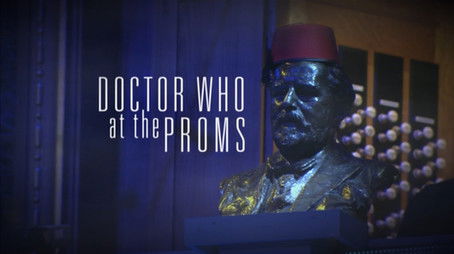
"Doctor Who at the Proms (2010)" opens with a grand orchestral setting at the Royal Albert Hall, where the audience is filled with excited fans of the series. The atmosphere is electric, with the iconic theme music of "Doctor Who" echoing through the hall. The camera pans over the audience, capturing their anticipation as they await a special performance.
The event begins with a narration by the Eleventh Doctor, portrayed by Matt Smith, who introduces the evening's theme: the adventures of the Doctor. He appears on stage, dressed in his signature tweed jacket and bow tie, and engages the audience with his characteristic charm and enthusiasm. The Doctor expresses his excitement about the music and the stories that will unfold throughout the night.
As the performance progresses, the orchestra plays a medley of themes from various episodes, accompanied by visuals projected on a large screen behind them. The audience is treated to clips from the series, showcasing iconic moments and characters, including the Daleks, Cybermen, and the TARDIS. The music swells, evoking a sense of nostalgia and adventure, as the Doctor's voiceover narrates key plot points from his travels through time and space.
The first major segment features the Doctor's encounters with the Daleks. The orchestra plays a dramatic score, and the screen displays scenes of the Doctor battling these infamous foes. The tension builds as the Doctor recounts his history with the Daleks, emphasizing their relentless pursuit of him. The audience is captivated by the combination of music and visuals, feeling the weight of the Doctor's struggles.
Next, the performance shifts to the Cybermen. The music becomes more ominous, reflecting the threat they pose. The Doctor's narration highlights the emotional stakes involved in facing these adversaries, particularly the loss of friends and the impact of his choices. The visuals show the Cybermen's chilling march and their attempts to convert humans, creating a sense of urgency and danger.
As the evening continues, the orchestra transitions to a lighter, more whimsical score, introducing the Doctor's encounters with the Weeping Angels. The visuals depict the terrifying nature of these creatures, interspersed with moments of humor and cleverness from the Doctor. The audience laughs and gasps as the Doctor describes the paradox of the Weeping Angels, emphasizing the cleverness required to outsmart them.
The performance also features a segment dedicated to the Doctor's companions, showcasing their bravery and loyalty. The music becomes uplifting, celebrating the bonds formed between the Doctor and his friends. Clips of memorable moments with companions like Amy Pond and Rory Williams are shown, highlighting their contributions to the Doctor's adventures and the emotional depth of their relationships.
As the concert nears its climax, the Doctor returns to the stage, inviting the audience to join him on a journey through time and space. He encourages them to imagine their own adventures, fostering a sense of connection and excitement. The orchestra plays a powerful, sweeping score that encapsulates the essence of "Doctor Who," inspiring a sense of wonder and possibility.
The final segment of the performance features a grand orchestral piece that combines themes from throughout the series, culminating in a spectacular finale. The audience is on their feet, cheering and clapping as the music reaches its peak. The Doctor expresses his gratitude to the audience for their support and enthusiasm, reinforcing the communal experience of enjoying the series together.
As the concert concludes, the Doctor delivers a heartfelt message about the importance of hope and adventure, leaving the audience with a sense of joy and inspiration. The lights dim, and the orchestra plays the iconic theme one last time, bringing the evening to a triumphant close. The audience erupts in applause, celebrating not just the music but the enduring legacy of "Doctor Who" and the adventures of the Doctor.








What is the ending?
In the ending of "Doctor Who at the Proms (2010)," the Doctor, portrayed by Matt Smith, concludes the concert with a heartfelt farewell to the audience. The performance features a medley of music from the series, and the Doctor expresses his gratitude for the fans' support. The event culminates in a powerful orchestral piece, leaving the audience in awe and celebrating the legacy of "Doctor Who."
As the concert draws to a close, the Doctor stands before the audience, his eyes sparkling with excitement and a hint of nostalgia. The atmosphere is electric, filled with the sounds of the orchestra and the cheers of the fans. The Doctor, dressed in his signature bow tie and tweed jacket, takes a moment to reflect on the journey he has shared with the viewers. He acknowledges the importance of the fans, their love for the show, and how it has brought people together across generations.
The music swells, and the Doctor invites the audience to join him in a final celebration of adventure and imagination. The orchestral arrangement crescendos, and the visuals on the screen behind him showcase iconic moments from the series, evoking a sense of wonder and excitement. The Doctor's voice resonates with warmth as he encourages everyone to embrace their own adventures, reminding them that they are all part of the story.
As the performance reaches its climax, the Doctor raises his arms, and the audience erupts in applause, their appreciation palpable. The screen fades to black, leaving viewers with a sense of joy and connection to the Doctor and the world of "Doctor Who." The event concludes with a feeling of unity, celebrating the enduring legacy of the show and the bond it creates among its fans.
In this final scene, the Doctor's fate remains as it always has been--an eternal traveler, a guardian of time and space, forever inspiring those who dare to dream. The audience, filled with a sense of hope and adventure, leaves the concert with their hearts full, ready to embark on their own journeys, just as the Doctor has done throughout his many adventures.
Is there a post-credit scene?
"Doctor Who at the Proms (2010)" does not feature a post-credit scene. The special is primarily a concert event that celebrates the music of "Doctor Who," featuring orchestral performances and appearances by various characters from the series. The focus is on the live music and the interaction between the Doctor, portrayed by Matt Smith, and the audience, rather than a narrative-driven episode with a traditional post-credit scene. The event concludes with a celebratory atmosphere, leaving viewers with a sense of joy and nostalgia for the series rather than a cliffhanger or additional storyline.
What musical pieces from Doctor Who are performed during the Proms?
The Proms features a selection of iconic musical pieces from Doctor Who, including the 'Doctor Who Theme' composed by Ron Grainer and arranged by Murray Gold, as well as other memorable scores from various episodes, showcasing the emotional depth and adventure of the series.
Which Doctor makes an appearance during the Proms?
Matt Smith, portraying the Eleventh Doctor, makes a prominent appearance during the Proms, engaging with the audience and introducing musical segments, embodying the character's quirky and energetic personality.
How does the audience react to the performances during the Proms?
The audience is visibly enthusiastic and engaged, responding with cheers and applause, particularly during the performances of beloved themes and when the Doctor interacts with them, creating a lively and celebratory atmosphere.
What special guests or characters appear alongside the Doctor during the Proms?
The Proms features appearances from various characters, including the Doctor's companions and iconic monsters from the series, such as the Daleks and Cybermen, adding a visual spectacle that enhances the musical experience.
How does the orchestration enhance the storytelling of Doctor Who during the Proms?
The orchestration during the Proms elevates the storytelling by using music to evoke emotions tied to specific moments in the series, with crescendos and soft melodies that reflect the Doctor's adventures, struggles, and triumphs, creating a powerful connection between the audience and the narrative.
Is this family friendly?
"Doctor Who at the Proms (2010)" is generally considered family-friendly, as it is a concert event celebrating the music of "Doctor Who" with orchestral performances and visual elements from the show. However, there are a few aspects that might be potentially objectionable or upsetting for children or sensitive viewers:
-
Scary Visuals: The performance includes clips from the series that feature monsters and villains, such as the Daleks and Cybermen, which may be frightening for younger children.
-
Emotional Themes: Some musical pieces and accompanying visuals evoke strong emotions, particularly those related to loss and sacrifice, which might resonate deeply with sensitive viewers.
-
Dark Imagery: Certain scenes from the show that are projected during the concert may contain darker themes or imagery that could be unsettling.
Overall, while the event is designed to be entertaining and engaging for a wide audience, parents may want to consider these elements when deciding if it is suitable for their children.