





























Popular
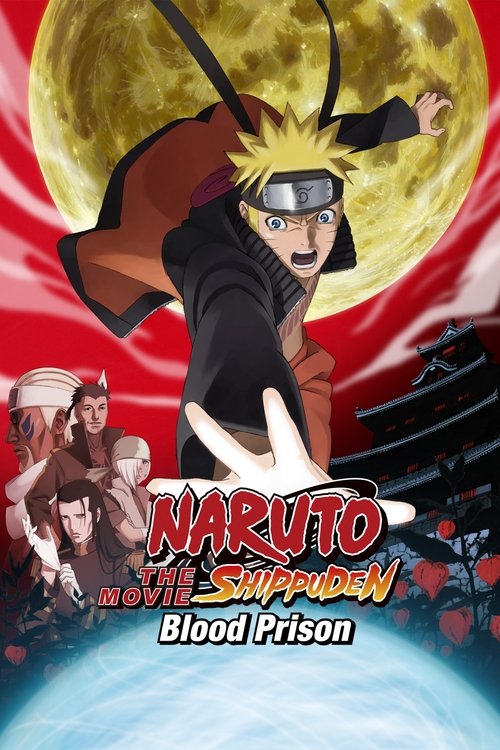
What leads Naruto to be imprisoned in the Blood Prison?
Who are the main antagonists in Naruto Shippuden the Movie: Blood Prison?
What is the significance of the Blood Prison's unique abilities?
How does Naruto's relationship with the other prisoners evolve throughout the film?
What role does the character of Ryuzetsu play in Naruto's journey in the Blood Prison?
Should I watch it?
Ask Your Own Question

What is the plot?
Sorry, we aren't able to watch and write up a full detailed plot yet. Check back in a few days.






What is the ending?
At the end of "Naruto Shippuden the Movie: Blood Prison," Naruto Uzumaki confronts the true mastermind behind the events in the Blood Prison, the warden, and ultimately defeats him. After a fierce battle, Naruto frees the imprisoned shinobi and restores peace. The film concludes with Naruto being exonerated and returning to his village, where he is welcomed back as a hero.
As the climax of "Naruto Shippuden the Movie: Blood Prison" unfolds, the atmosphere is thick with tension. Naruto Uzumaki, having endured the trials of the Blood Prison, stands resolute against the warden, a figure shrouded in darkness and malice. The warden, who has manipulated events from the shadows, reveals his true intentions: to harness the power of the prisoners for his own nefarious purposes.
The scene shifts to a desolate arena within the prison, where Naruto faces the warden in a battle that tests his resolve and strength. The warden, wielding the power of the Blood Prison, unleashes a torrent of jutsu, each more devastating than the last. Naruto, fueled by his determination to protect his friends and clear his name, counters with his own techniques, showcasing his growth as a shinobi. The clash of their powers creates a spectacle of light and energy, illuminating the dark corners of the prison.
As the fight escalates, Naruto recalls the bonds he has formed with his friends and allies, which gives him the strength to push through the warden's relentless attacks. In a pivotal moment, he taps into the power of the Nine-Tails, transforming into a more powerful version of himself. This transformation not only enhances his abilities but also symbolizes his acceptance of his past and the strength he draws from his relationships.
With a final surge of energy, Naruto unleashes a powerful Rasengan, a technique that embodies his spirit and determination. The attack collides with the warden's defenses, breaking through the barriers of the Blood Prison. The warden, overwhelmed by Naruto's resolve and the strength of his convictions, is ultimately defeated. As he falls, the prison's dark influence begins to dissipate, freeing the other imprisoned shinobi who had been trapped alongside Naruto.
In the aftermath of the battle, the atmosphere shifts from one of despair to hope. The freed shinobi, including notable characters like Gaara and the other prisoners, express their gratitude to Naruto for his bravery. They recognize the importance of unity and friendship, themes that resonate throughout the film. Naruto, now exonerated, is celebrated as a hero, not just for his victory over the warden but for his unwavering spirit in the face of adversity.
As the film draws to a close, Naruto returns to his village, where he is welcomed back with open arms. The villagers, who had once doubted him, now see him as a symbol of hope and resilience. The final scenes depict Naruto standing proudly among his friends, a testament to the bonds he has forged and the journey he has undertaken. The film ends on a note of optimism, emphasizing the power of friendship, redemption, and the strength that comes from overcoming one's past.
Is there a post-credit scene?
In "Naruto Shippuden the Movie: Blood Prison," there is no post-credit scene. The film concludes without any additional scenes after the credits roll. The story wraps up with Naruto's journey in the Blood Prison and his eventual escape, focusing on themes of friendship, trust, and redemption. The absence of a post-credit scene allows the film to end on a conclusive note, emphasizing the resolution of the main conflict and the growth of the characters involved.
What leads Naruto to be imprisoned in the Blood Prison?
Naruto Uzumaki is imprisoned in the Blood Prison after being framed for the murder of the warden, a crime he did not commit. This setup is orchestrated by the true antagonist, who seeks to manipulate Naruto's power for their own ends.
Who are the main antagonists in Naruto Shippuden the Movie: Blood Prison?
The main antagonists are the warden of the Blood Prison, who is revealed to be a puppet of the true villain, and the mysterious figure known as the 'Jinchuriki' who aims to harness Naruto's chakra for their own nefarious purposes.
What is the significance of the Blood Prison's unique abilities?
The Blood Prison has unique abilities that allow it to suppress the chakra of its inmates, making them vulnerable and unable to use their powers. This is significant as it highlights Naruto's struggle to regain his strength and fight against the injustices he faces while imprisoned.
How does Naruto's relationship with the other prisoners evolve throughout the film?
Initially, Naruto is met with distrust and hostility from the other prisoners, but as he demonstrates his determination and kindness, he gradually earns their respect and forms bonds with them, particularly with a character named Konoha.
What role does the character of Ryuzetsu play in Naruto's journey in the Blood Prison?
Ryuzetsu is a key character who helps Naruto navigate the challenges of the Blood Prison. She is a fellow inmate who believes in his innocence and aids him in uncovering the truth behind the conspiracy, showcasing her bravery and loyalty.
Is this family friendly?
"Naruto Shippuden the Movie: Blood Prison" contains several elements that may be considered objectionable or upsetting for children or sensitive viewers. Here are some aspects to be aware of:
-
Violence: The film features intense battle scenes with characters using various jutsu (ninja techniques) that result in physical harm. There are moments of blood and injury, which may be distressing.
-
Imprisonment and Torture: The central theme involves Naruto being wrongfully imprisoned, and there are scenes depicting harsh treatment and psychological manipulation within the prison environment.
-
Dark Themes: The movie explores themes of betrayal, revenge, and the struggle for redemption, which may be heavy for younger audiences to process.
-
Emotional Distress: Characters experience significant emotional turmoil, including feelings of isolation, despair, and anger, which could resonate deeply with sensitive viewers.
-
Mature Language and Concepts: While not excessively explicit, there are moments of strong language and mature concepts that may not be suitable for younger children.
These elements contribute to a darker tone compared to other entries in the Naruto franchise, making it potentially less suitable for a younger audience or those who are sensitive to such themes.








