



























Popular
What motivates Leonardo to take on the role of leader among the turtles?
How does the relationship between the turtles and Master Splinter evolve throughout the film?
What is the significance of the turtles' training and how does it affect their character development?
What role does April O'Neil play in the turtles' journey, and how does her character impact the story?
How does Raphael's emotional state influence his actions throughout the film?
Should I watch it?
Ask Your Own Question

What is the plot?
Sorry, we aren't able to watch and write up a full detailed plot yet. Check back in a few days.
More Movies Like This
Browse All Movies →







What is the ending?
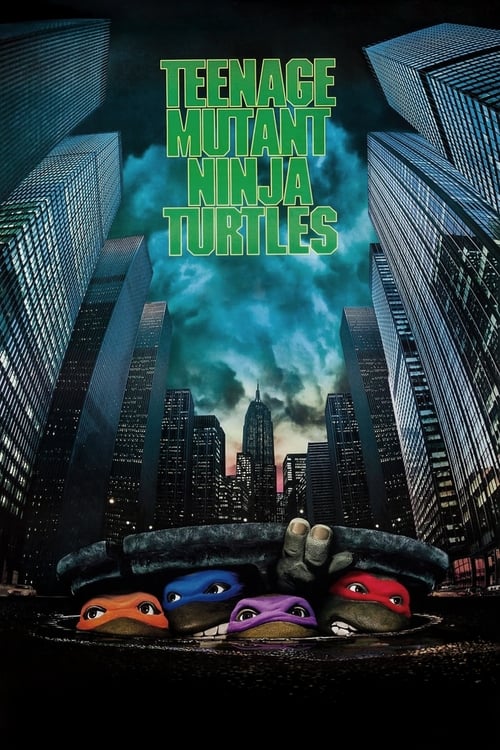
In the ending of the 1990 film Teenage Mutant Ninja Turtles, the Turtles confront their nemesis, Shredder, in a climactic battle atop a rooftop. After a fierce fight, they manage to defeat him. Splinter, who has been captured, is rescued, and the Turtles celebrate their victory. The film concludes with the Turtles returning to their home in the sewers, reflecting on their bond as brothers and their commitment to protecting New York City.
As the final act of Teenage Mutant Ninja Turtles unfolds, the scene shifts to a rooftop in New York City, where the tension is palpable. The Turtles--Leonardo, Michelangelo, Donatello, and Raphael--stand united, their faces set with determination. They have tracked down their arch-nemesis, Shredder, who has been a constant threat throughout their journey. The night sky looms above them, casting shadows that mirror the gravity of the confrontation ahead.
The battle begins with Shredder launching a surprise attack, showcasing his martial arts prowess. The Turtles respond in kind, each displaying their unique fighting styles. Leonardo, the leader, wields his katanas with precision, while Raphael, fueled by anger, fights fiercely, his sai clashing against Shredder's weapons. Donatello uses his bo staff to create distance, employing his intelligence to outmaneuver their foe, while Michelangelo brings a light-hearted energy to the fight, using his nunchaku with agility and flair.
As the fight escalates, the Turtles work together, demonstrating their teamwork and brotherly bond. They coordinate their attacks, each Turtle covering the other's weaknesses. The choreography of the fight is dynamic, with flips, spins, and acrobatics that highlight their training and dedication. However, Shredder proves to be a formidable opponent, pushing them to their limits.
In a pivotal moment, the Turtles find themselves momentarily overwhelmed, but they rally together, drawing strength from their shared experiences and the teachings of their mentor, Splinter. This moment of unity reignites their resolve, and they launch a final, coordinated assault on Shredder. With a combination of skill and strategy, they manage to outsmart him, leading to a climactic showdown where Leonardo delivers the final blow, sending Shredder crashing off the rooftop.
With Shredder defeated, the Turtles rush to find Splinter, who has been held captive. They discover him in a weakened state but alive, and the emotional reunion is filled with relief and joy. Splinter, despite his injuries, expresses pride in his sons, reinforcing the themes of family and loyalty that have been central to their journey.
As the night draws to a close, the Turtles return to their home in the sewers. They gather in their lair, reflecting on the battle they have just fought and the bond they share as brothers. Each Turtle expresses their thoughts, revealing their growth throughout the film. Leonardo feels a sense of responsibility as the leader, Raphael grapples with his anger but finds solace in his brothers, Donatello is proud of their victory through intellect, and Michelangelo brings a sense of humor to lighten the mood.
The film concludes with a sense of hope and determination. The Turtles reaffirm their commitment to protecting New York City from any future threats, embodying the spirit of heroism. As they settle into their home, the camera pans out, leaving the audience with a lasting image of the Turtles united, ready to face whatever challenges lie ahead. Each character has grown, and their fates are intertwined, bound by brotherhood and the promise of adventure.
Is there a post-credit scene?
The movie "Teenage Mutant Ninja Turtles" produced in 1990 does not have a post-credit scene. After the final credits roll, the film concludes without any additional scenes or content. The story wraps up with the Turtles celebrating their victory over the Foot Clan and their nemesis, Shredder, while also emphasizing their bond as brothers and their commitment to protecting New York City. The absence of a post-credit scene reflects the film's focus on the resolution of the main plot and the characters' emotional journeys throughout the story.
What motivates Leonardo to take on the role of leader among the turtles?
Leonardo is driven by a strong sense of responsibility and duty. He feels the weight of leadership, especially in the face of danger posed by the Foot Clan and their leader, Shredder. His internal struggle is evident as he grapples with the pressure to protect his brothers while also wanting to prove himself worthy of Master Splinter's teachings.
How does the relationship between the turtles and Master Splinter evolve throughout the film?
The relationship between the turtles and Master Splinter is one of deep respect and love. Splinter serves as a father figure, guiding them with wisdom and discipline. As the film progresses, the turtles face challenges that test their bond, particularly when Splinter is captured. This event heightens their emotional stakes, leading them to unite more fiercely to rescue him, showcasing their growth and reliance on each other.
What is the significance of the turtles' training and how does it affect their character development?
The turtles' training under Master Splinter is crucial for their character development. Each turtle embodies different traits that are honed through their training: Leonardo's discipline, Donatello's intelligence, Michelangelo's humor, and Raphael's aggression. Their training scenes highlight their individual skills and personalities, setting the stage for how they will confront their enemies and support each other throughout the film.
What role does April O'Neil play in the turtles' journey, and how does her character impact the story?
April O'Neil serves as a crucial link between the turtles and the human world. As a reporter, she initially uncovers the Foot Clan's activities, which brings her into contact with the turtles. Her bravery and determination to expose the truth inspire the turtles and help them understand the importance of their mission. Her kidnapping by the Foot Clan escalates the stakes, prompting the turtles to take action and solidifying her role as an ally.
How does Raphael's emotional state influence his actions throughout the film?
Raphael's emotional state is marked by anger and frustration, particularly after a confrontation with Leonardo about leadership. His impulsive nature leads him to act recklessly, culminating in a fierce battle with the Foot Clan that results in his near defeat. This emotional turmoil drives him to seek solitude, but ultimately, it is his love for his brothers that brings him back, highlighting his internal conflict between rage and loyalty.
Is this family friendly?
The 1990 film "Teenage Mutant Ninja Turtles" is generally considered family-friendly, but it does contain some scenes and themes that may be potentially objectionable or upsetting for younger viewers or sensitive individuals. Here are a few aspects to consider:
-
Violence and Fighting: The film features numerous fight scenes involving the turtles and their enemies, including martial arts combat. While the violence is cartoonish and not graphic, it may still be intense for some children.
-
Dark Themes: The movie touches on themes of crime, gang violence, and the struggles of adolescence. The presence of the Foot Clan, a criminal organization, introduces elements of danger and moral conflict.
-
Emotional Struggles: Characters experience feelings of loneliness, betrayal, and loss. For instance, the turtles grapple with their identity and the challenges of being outcasts, which may resonate deeply with some viewers.
-
Scary Imagery: Certain scenes, particularly those involving the Foot Clan and their hideout, may be unsettling due to the dark atmosphere and the portrayal of the villains.
-
Parental Figures: The absence of parental guidance for the turtles and the presence of a father figure in Splinter, who faces danger, may evoke feelings of concern or sadness.
-
Mild Language: There are instances of mild language and some crude humor that may not be suitable for all children.
While the film is designed to entertain and has a strong message about friendship and family, these elements may warrant parental discretion for younger audiences.







