
















































Popular
What role does Lieutenant Colonel Hal Moore play in the story?
How does the film depict the relationship between Hal Moore and his wife, Julie?
What is the significance of the Battle of Ia Drang in the film?
How does the film portray the experiences of the soldiers during the battle?
What impact does the film show the war has on the families of the soldiers?
Should I watch it?
Ask Your Own Question

What is the plot?
Sorry, we aren't able to watch and write up a full detailed plot yet. Check back in a few days.




What is the ending?
In the ending of "We Were Soldiers," the battle at Ia Drang comes to a close, with the American forces suffering heavy casualties but ultimately achieving their objective. Lieutenant Colonel Hal Moore reflects on the loss of his men and the impact of war on families. The film concludes with a poignant scene showing the aftermath of the battle, highlighting the sacrifices made by the soldiers and their loved ones.
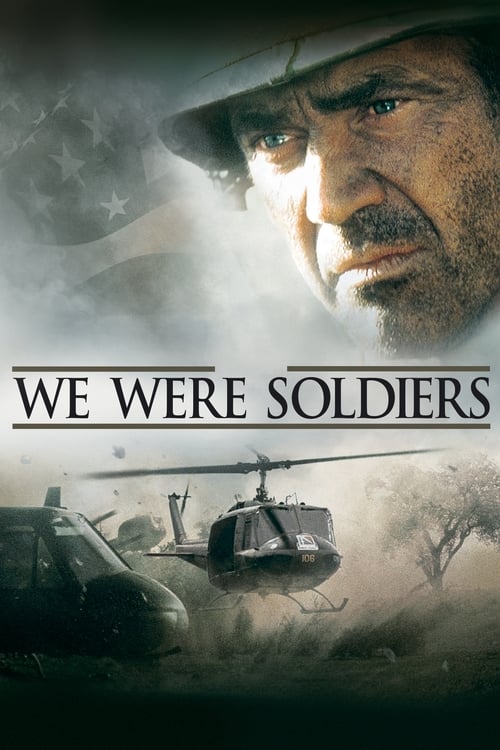
As the battle rages on in the Ia Drang Valley, the American troops, led by Lieutenant Colonel Hal Moore, find themselves in a desperate situation. The intense fighting continues, and the soldiers face overwhelming odds against the North Vietnamese forces. The chaos of war is palpable, with gunfire, explosions, and the cries of wounded men filling the air. Moore, portrayed by Mel Gibson, remains resolute, determined to lead his men through the harrowing ordeal.
In the midst of the battle, the camera shifts to the families of the soldiers back home, particularly focusing on the wives and children of the men fighting in Vietnam. The emotional weight of their worry and fear is evident as they receive news of the conflict. The juxtaposition of the battlefield and the home front emphasizes the personal stakes of the war, showcasing the deep connections between the soldiers and their families.
As the fighting intensifies, Moore's leadership is tested. He makes strategic decisions to hold the line and protect his men, even as casualties mount. The emotional toll of losing comrades weighs heavily on him, and the audience witnesses his internal struggle as he grapples with the cost of war. Key characters, such as Sergeant Major Basil Plumley, played by Sam Elliott, and Captain Matt Dillon, face their own challenges, showcasing bravery and camaraderie amidst the chaos.
The climax of the battle sees the American forces finally gaining the upper hand, but not without significant losses. The camera captures the grim reality of war, with wounded soldiers being evacuated and the somber faces of those who have survived. The emotional impact of the battle is felt deeply, as the soldiers reflect on their fallen comrades and the sacrifices made.
In the aftermath, the film shifts to a somber tone. Moore stands amidst the remnants of the battlefield, surrounded by the bodies of his men. The weight of their sacrifice hangs heavy in the air, and he is visibly affected by the loss. The scene transitions to a memorial service, where the families of the fallen soldiers gather to honor their loved ones. The grief and sorrow are palpable, as the camera lingers on the faces of the widows and children, capturing their pain and loss.
The film concludes with a powerful montage that highlights the lasting impact of the battle on both the soldiers and their families. Moore reflects on the cost of war, and the audience is left with a sense of the profound sacrifices made by those who served. The final scenes serve as a tribute to the bravery and resilience of the soldiers, as well as a reminder of the enduring pain of loss that war brings to families.
In terms of character fates, Lieutenant Colonel Hal Moore survives the battle, but he is forever changed by the experience. He carries the weight of his fallen comrades with him, and his leadership is marked by the sacrifices made. Sergeant Major Plumley also survives, embodying the spirit of camaraderie and resilience. Captain Matt Dillon, however, is among the casualties, highlighting the harsh realities of war and the personal losses that accompany it. The film closes with a sense of honor for those who fought and a recognition of the deep scars left by the conflict.
Is there a post-credit scene?
The movie "We Were Soldiers," produced in 2002, does not have a post-credit scene. The film concludes with a powerful and emotional ending that focuses on the aftermath of the Battle of Ia Drang, highlighting the sacrifices made by the soldiers and their families. The final moments reflect on the impact of the war and the enduring legacy of those who fought, but there are no additional scenes or content after the credits roll. The film ends on a poignant note, emphasizing the themes of honor, bravery, and the cost of war.
What role does Lieutenant Colonel Hal Moore play in the story?
Lieutenant Colonel Hal Moore, portrayed by Mel Gibson, is the central character of 'We Were Soldiers.' He is a dedicated and courageous leader who commands the 1st Battalion, 7th Cavalry during the Vietnam War. His character is defined by his deep sense of responsibility for his men, as he prepares them for the Battle of Ia Drang. Moore's internal struggles are evident as he grapples with the weight of leadership, the fear of losing his soldiers, and the emotional toll of war on both himself and their families.
How does the film depict the relationship between Hal Moore and his wife, Julie?
The relationship between Hal Moore and his wife, Julie, played by Madeleine Stowe, is portrayed with deep emotional resonance. Their bond is characterized by mutual respect and love, but also by the strain of war. Julie's unwavering support for Hal is evident as she encourages him to lead his men, despite her fears for his safety. The film captures intimate moments between them, showcasing their vulnerability and the tension of impending conflict, particularly when Hal must leave for Vietnam, leaving Julie to manage the uncertainty of war at home.
What is the significance of the Battle of Ia Drang in the film?
The Battle of Ia Drang is a pivotal moment in 'We Were Soldiers,' marking one of the first major engagements between U.S. forces and the North Vietnamese Army. The film meticulously details the chaos and brutality of the battle, highlighting the tactical challenges faced by Moore and his men. The significance lies not only in the intense combat sequences but also in the emotional impact on the soldiers and their families. The battle serves as a backdrop for themes of sacrifice, bravery, and the harsh realities of war, illustrating the profound consequences of their actions.
How does the film portray the experiences of the soldiers during the battle?
The experiences of the soldiers during the Battle of Ia Drang are depicted with harrowing realism in 'We Were Soldiers.' The film immerses viewers in the chaos of combat, showcasing the fear, camaraderie, and determination of the troops. Scenes of intense gunfire, the struggle for survival, and the emotional toll of witnessing death and injury are vividly portrayed. The soldiers' internal conflicts are highlighted, revealing their motivations, fears, and the bonds formed under fire, emphasizing the human cost of war and the bravery required to face such dire circumstances.
What impact does the film show the war has on the families of the soldiers?
The film poignantly illustrates the impact of the Vietnam War on the families of the soldiers, particularly through the character of Julie Moore and other wives. As the men are deployed, the film shifts focus to the home front, depicting the anxiety and fear experienced by the families awaiting news of their loved ones. Emotional scenes show the women supporting each other, grappling with the uncertainty of their husbands' fates, and dealing with the grief of loss. The film emphasizes the sacrifices made not only by the soldiers but also by their families, highlighting the broader emotional ramifications of war.
Is this family friendly?
"We Were Soldiers," produced in 2002, is a war film that depicts the harrowing experiences of American soldiers during the Vietnam War. While it is a powerful narrative about bravery and sacrifice, it contains several elements that may be objectionable or upsetting for children or sensitive viewers.
-
Graphic Combat Scenes: The film features intense battle sequences that depict violence, gunfire, and the chaos of war. These scenes can be quite graphic and may be distressing for younger audiences.
-
Injuries and Death: There are moments showing soldiers who are injured or killed in combat, which can be emotionally heavy and may evoke feelings of sadness or fear.
-
Emotional Trauma: The film explores the emotional toll of war on soldiers and their families, including scenes of grief and loss that may be difficult for sensitive viewers to process.
-
Family Separation: The impact of war on families is a recurring theme, with scenes showing the anxiety and heartache of loved ones waiting for news, which can be upsetting.
-
Realistic Portrayal of War: The film does not shy away from the harsh realities of war, including the moral dilemmas faced by soldiers, which may be challenging for younger viewers to understand.
Overall, while "We Were Soldiers" is a poignant tribute to the sacrifices made by soldiers, its intense and realistic portrayal of war may not be suitable for all audiences, particularly children or those who are sensitive to such themes.






