























Popular
What motivates Ned Kelly to become an outlaw?
How does Ned Kelly's relationship with his family influence his actions?
What role does the character of Joe Byrne play in Ned Kelly's story?
How does the film depict the relationship between Ned Kelly and the police?
What is the significance of the armor that Ned Kelly wears during the final standoff?
Should I watch it?
Ask Your Own Question

What is the plot?
Sorry, we aren't able to watch and write up a full detailed plot yet. Check back in a few days.



What is the ending?
In the ending of the 2003 film "Ned Kelly," Ned is captured and ultimately sentenced to death by hanging. His final moments are filled with a mix of defiance and resignation, as he faces his fate. The film concludes with a poignant reflection on his life and the legacy he leaves behind, highlighting the impact of his actions on his family and the people around him.
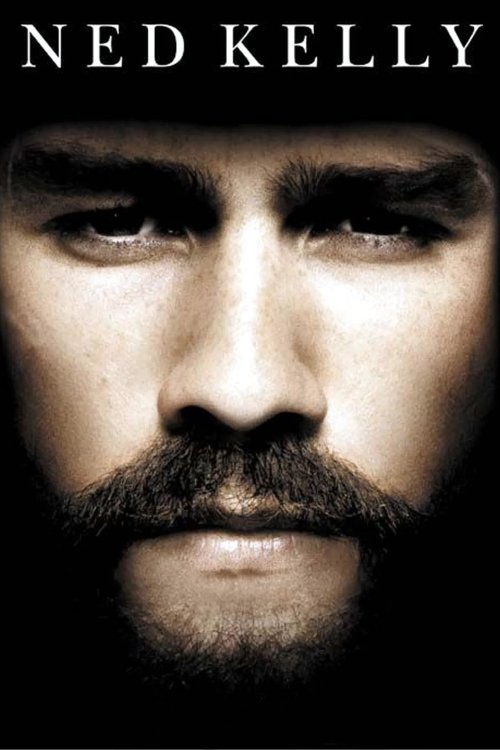
As the film approaches its climax, we find Ned Kelly, portrayed by Heath Ledger, in a state of desperation. After a series of confrontations with the police, including the infamous shootout at Glenrowan, the Kelly gang's plans unravel. The gang, consisting of Ned, his brother Dan, and their friends Joe Byrne and Steve Hart, had hoped to make a stand against the oppressive authorities, but their efforts lead to chaos and betrayal.
In a tense scene, the gang is holed up in the hotel at Glenrowan, surrounded by police. The atmosphere is thick with tension as they prepare for what seems to be their last stand. The police, led by Superintendent Hare, launch an assault on the hotel, and the gang fights back fiercely. However, the odds are stacked against them. The police have the advantage of numbers and firepower, and the gang's situation becomes increasingly dire.
As the battle rages on, the gang members are forced to make difficult choices. Joe Byrne, played by Orlando Bloom, shows signs of doubt and fear, while Steve Hart, portrayed by Geoffrey Rush, remains fiercely loyal to Ned. The emotional weight of their predicament is palpable, as they grapple with the reality of their impending doom. The scene is filled with gunfire, smoke, and the cries of the wounded, creating a chaotic and harrowing atmosphere.
Eventually, the gang's resistance is broken. Ned, in a moment of desperation, dons his iconic suit of armor, crafted from ploughshares, and charges at the police. This act of defiance is both heroic and tragic, as it symbolizes his fight against oppression but also highlights the futility of their struggle. The police manage to overpower him, and he is captured.
In the aftermath, we see the consequences of the gang's actions. Dan Kelly, Ned's brother, is killed during the shootout, leaving Ned devastated. The emotional toll of losing his brother weighs heavily on him, and it becomes clear that the fight was not just against the authorities but also a deeply personal battle for family and survival.
Ned is taken to trial, where he faces the full weight of the law. The courtroom scenes are filled with tension as he defiantly speaks out against the injustices he and his family have faced. Despite his passionate defense, the verdict is predetermined. He is sentenced to death by hanging, a fate that he accepts with a mix of resignation and defiance. In his final moments, he delivers a powerful statement, expressing his belief in his cause and the injustices faced by the Irish immigrants in Australia.
The film concludes with a somber reflection on Ned's legacy. As he is led to the gallows, the weight of his choices and the impact of his life on those around him become evident. The final scenes depict the aftermath of his execution, showing the grief of his family and the ongoing struggle of the people he fought for. The film leaves the audience with a sense of the enduring nature of his story, as Ned Kelly becomes a symbol of resistance against oppression, forever etched in the annals of Australian history.
Is there a post-credit scene?
The 2003 film "Ned Kelly" does not have a post-credit scene. The film concludes with the final moments of Ned Kelly's life, focusing on his capture and the emotional weight of his legacy. After the credits roll, there are no additional scenes or content that follow. The film ends on a poignant note, emphasizing the themes of rebellion, sacrifice, and the impact of Kelly's actions on Australian history.
What motivates Ned Kelly to become an outlaw?
Ned Kelly, portrayed by Heath Ledger, is driven by a deep sense of injustice and a desire to protect his family. After witnessing the brutal treatment of his family by the police, particularly the unjust arrest of his mother, he feels compelled to fight back against the oppressive authorities. His motivations are further fueled by a desire for freedom and a longing to stand up for the marginalized Irish immigrants in Australia.
How does Ned Kelly's relationship with his family influence his actions?
Ned's relationship with his family, especially his mother, is central to his character. He is fiercely protective of them, which is evident when he risks his life to save his mother from the police. This familial bond drives many of his decisions, including his choice to become an outlaw. His love for his siblings and the desire to provide for them often clash with the violent life he leads, creating an internal conflict that adds depth to his character.
What role does the character of Joe Byrne play in Ned Kelly's story?
Joe Byrne, played by Orlando Bloom, is one of Ned's closest friends and a key member of the Kelly gang. His loyalty to Ned is unwavering, and he serves as both a confidant and a partner in crime. Joe's character adds a layer of complexity to the gang's dynamics, as he often grapples with the moral implications of their actions. His eventual fate serves as a poignant reminder of the costs of their rebellion against authority.
How does the film depict the relationship between Ned Kelly and the police?
The film portrays a tumultuous and adversarial relationship between Ned Kelly and the police, particularly through the character of Sergeant O'Neill. The police are depicted as corrupt and brutal, often using excessive force against the Kelly family. This antagonism escalates as Ned becomes more notorious, leading to violent confrontations that highlight the systemic injustices faced by the Irish community. The police's relentless pursuit of Ned ultimately drives him further into a life of crime.
What is the significance of the armor that Ned Kelly wears during the final standoff?
The armor that Ned Kelly dons during the final standoff is a powerful symbol of his defiance against the authorities. Constructed from ploughshares, it represents his ingenuity and determination to protect himself and his gang. The armor also serves as a metaphor for his struggle against oppression, as it transforms him into a legendary figure. The visual impact of Ned in the armor during the climactic battle underscores his transformation from a mere outlaw to a folk hero, embodying the fight for justice.
Is this family friendly?
The 2003 film "Ned Kelly" contains several elements that may not be suitable for children or sensitive viewers. Here are some potentially objectionable aspects:
-
Violence: The film depicts various violent scenes, including confrontations between the police and the Kelly gang, which can be graphic and intense.
-
Death: There are scenes that involve the death of characters, including the execution of individuals, which may be distressing.
-
Themes of Crime and Rebellion: The narrative revolves around themes of lawlessness, rebellion against authority, and the consequences of crime, which may not be appropriate for younger audiences.
-
Substance Use: There are instances of alcohol consumption and references to the rough lifestyle of the characters, which may not be suitable for children.
-
Emotional Turmoil: The characters experience significant emotional struggles, including betrayal, loss, and despair, which could be upsetting for sensitive viewers.
These elements contribute to a mature tone throughout the film, making it more appropriate for older teens and adults.








