




















































Popular
What abilities do the different color-coded groups of children have in The Darkest Minds?
What motivates Ruby to escape from the government facility?
How does Ruby's relationship with Liam develop throughout the film?
What role does the character Chubs play in the group of escaped children?
What is the significance of Ruby's ability to manipulate memories?
Should I watch it?
Ask Your Own Question

What is the plot?
Sorry, we aren't able to watch and write up a full detailed plot yet. Check back in a few days.








What is the ending?
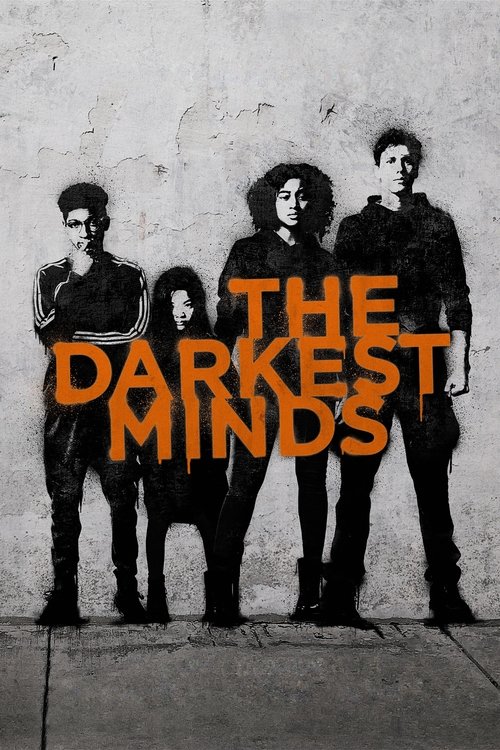
In the ending of "The Darkest Minds," Ruby, the protagonist, makes a significant sacrifice to protect her friends and the future of the children with powers. She confronts the government and uses her abilities to erase the memories of her friends, including Liam, who has developed a deep bond with her. This act leaves Ruby alone, but she believes it is necessary for their safety. The film concludes with Ruby taking a stand against the oppressive regime, hinting at a potential uprising.
As the climax of "The Darkest Minds" unfolds, Ruby, portrayed by Amandla Stenberg, stands at a crossroads, grappling with the weight of her decisions. The scene is set in a dimly lit facility, where the air is thick with tension. Ruby has just learned that the government intends to eliminate the remaining children with powers, and she knows she must act quickly to save her friends and herself.
In a pivotal moment, Ruby gathers her friends--Liam, Chubs, and Zu--who have become her chosen family throughout their harrowing journey. They are in a safe house, but the threat of capture looms large. Ruby's internal conflict is palpable; she feels the burden of her abilities and the responsibility to protect those she loves. As they discuss their next steps, Ruby's resolve strengthens, but so does her fear of what she might have to do.
The group decides to infiltrate the government facility to rescue other children. As they navigate the dark corridors, the atmosphere is charged with urgency. Ruby's heart races, not just from the adrenaline but from the fear of losing her friends. They encounter guards, and a tense standoff ensues. Chubs, played by Skylan Brooks, uses his intelligence to devise a plan, while Zu, portrayed by Ming-Na Wen, showcases her bravery despite her young age. Liam, played by Harris Dickinson, stands by Ruby, his feelings for her evident in his protective demeanor.
As they reach the heart of the facility, Ruby realizes that the only way to ensure her friends' safety is to erase their memories of her. The emotional weight of this decision crashes down on her. In a heart-wrenching scene, she locks eyes with Liam, who has become her closest ally and love interest. The connection between them is undeniable, filled with unspoken words and shared experiences. Yet, Ruby knows that if they remain together, they will always be in danger.
With tears streaming down her face, Ruby uses her powers to wipe Liam's memories, followed by Chubs and Zu. Each erasure is a painful farewell, a sacrifice that tears at her heart. The room is filled with a haunting silence as she watches their expressions change, the light of recognition fading from their eyes. Ruby's own heart shatters as she realizes the cost of her choice--she is now alone, a solitary figure in a world that has turned against her kind.
The final scenes depict Ruby standing outside the facility, a lone warrior against the oppressive regime. The camera captures her determination as she looks out at the horizon, a symbol of hope amidst despair. The film closes with a sense of unresolved conflict, hinting at the possibility of rebellion and the fight for freedom. Ruby's fate is left open-ended; she is a survivor, ready to take a stand for all the children like her, embodying the spirit of resistance against tyranny.
In summary, Ruby sacrifices her relationships to protect her friends, leaving her isolated but resolute. Liam, Chubs, and Zu are left with no memories of her, while Ruby prepares to confront the world alone, setting the stage for a potential uprising against the oppressive forces that seek to control them.
Is there a post-credit scene?
In "The Darkest Minds," there is no post-credit scene. The film concludes with a focus on the main characters and their journey, leaving the audience with a sense of resolution regarding their immediate struggles. The story wraps up as Ruby, the protagonist, takes a stand against the oppressive system that has targeted her and others like her, emphasizing themes of hope and resistance. The absence of a post-credit scene allows the film to maintain its emotional weight and focus on the characters' futures without additional distractions.
What abilities do the different color-coded groups of children have in The Darkest Minds?
In The Darkest Minds, children are divided into color-coded groups based on their abilities. The 'Greens' are the most intelligent, possessing heightened cognitive abilities. The 'Blues' can manipulate objects with their minds, while the 'Yellows' can generate electricity. The 'Reds' are the most dangerous, capable of creating fire and destruction with their powers. Each group represents a different level of threat and potential.
What motivates Ruby to escape from the government facility?
Ruby's motivation to escape from the government facility stems from her desire for freedom and the need to find her family. After discovering her ability to manipulate memories, she realizes the extent of the government's control and the danger posed to her and other children. Her internal struggle is fueled by the trauma of losing her parents and the fear of being used as a weapon.
How does Ruby's relationship with Liam develop throughout the film?
Ruby's relationship with Liam evolves from initial distrust to deep emotional connection. At first, Ruby is guarded, fearing her powers and the potential for harm. As they face challenges together, including their escape from the government and encounters with other children, Ruby begins to open up to Liam. Their bond strengthens as they share their fears and hopes, culminating in a romantic connection that highlights Ruby's longing for love and acceptance.
What role does the character Chubs play in the group of escaped children?
Chubs serves as the pragmatic and protective member of the group. He is fiercely loyal to his friends and acts as a voice of reason amidst the chaos. His intelligence and strategic thinking help the group navigate dangerous situations. Chubs also provides comic relief, balancing the darker themes of the story with his humor, while his backstory reveals his own struggles with loss and survival.
What is the significance of Ruby's ability to manipulate memories?
Ruby's ability to manipulate memories is significant as it represents both her power and her vulnerability. This ability allows her to erase traumatic experiences, including her memories of her parents, which she grapples with throughout the film. It symbolizes her struggle with identity and the moral implications of using her powers. Ultimately, it becomes a tool for both protection and a source of conflict, as she must decide when to use it and the consequences that follow.
Is this family friendly?
The Darkest Minds, produced in 2018, is a dystopian science fiction film that may not be considered family-friendly due to several potentially objectionable or upsetting scenes. Here are some aspects that could be concerning for children or sensitive viewers:
-
Violence and Intimidation: The film features scenes of violence, including confrontations between characters and the use of force by government authorities against children with special abilities. This can be intense and frightening.
-
Themes of Oppression: The story revolves around a government that persecutes children with powers, leading to scenes that depict fear, control, and the loss of freedom. This can be emotionally heavy and distressing.
-
Death and Loss: Characters experience loss and the death of loved ones, which can evoke strong emotional responses and may be upsetting for younger viewers.
-
Isolation and Fear: The main characters often face feelings of isolation, fear, and mistrust, which can resonate deeply and may be unsettling for sensitive audiences.
-
Depictions of Trauma: The film explores the psychological impact of trauma on young characters, showcasing their struggles with their identities and the consequences of their powers.
These elements contribute to a darker tone throughout the film, making it more suitable for older teens and adults rather than younger children.








