














Popular
What are the main conflicts between the Hop Wei and the Long Zii in Season 2?
How does Ah Sahm's relationship with Mai evolve throughout Season 2?
What role does the character of Father Jun play in the events of Season 2?
How does the character of Penny evolve in Season 2, particularly in her interactions with the Chinese community?
What are the implications of the political tensions in San Francisco on the characters in Season 2?
Should I watch it?
Ask Your Own Question

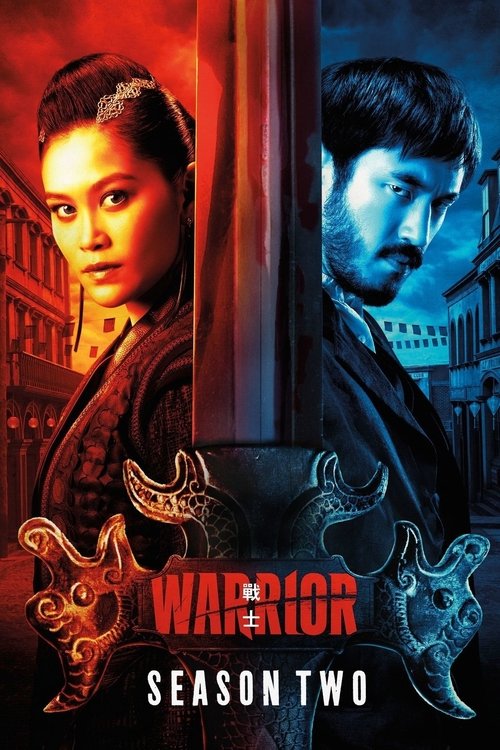
What is the plot?
In the opening of Season 2 of "Warrior," we find Ah Sahm, who is now a member of the Hop Wei Tong, grappling with the aftermath of the brutal conflict between the Tong and the police. The season begins with a tense atmosphere in San Francisco, where the Chinese immigrant community is under constant threat from both the authorities and rival gangs. Ah Sahm is determined to protect his family and his newfound place within the Hop Wei, but he is also haunted by the violence he has witnessed and participated in.
As the story unfolds, we see the internal struggles of the Hop Wei as they deal with the fallout from their recent skirmishes. The leadership, particularly Father Jun, is faced with the challenge of maintaining control and unity within the Tong. Tensions rise as rival gangs, particularly the Long Zii, begin to encroach on their territory, leading to a series of confrontations. Ah Sahm's loyalty to the Hop Wei is tested as he navigates the complex dynamics of power and respect within the organization.
Meanwhile, the character of Young Jun, Ah Sahm's friend and ally, is also evolving. He is stepping into a leadership role, but his decisions often clash with the more traditional views of Father Jun. Young Jun's ambition leads him to make bold moves against the Long Zii, which creates friction within the Hop Wei. His desire to prove himself and protect his people drives him to take risks that could endanger the entire Tong.
The season also delves into the personal lives of the characters. We see the romantic tension between Ah Sahm and the beautiful and strong-minded Mai Ling, who is now aligned with the Long Zii. Their relationship is fraught with conflict, as both are on opposite sides of the gang war. Mai Ling's ambition and desire for power lead her to make decisions that put her at odds with Ah Sahm, creating a deep emotional rift between them.
As the conflict escalates, the police, led by the corrupt officer Samuel Blake, become increasingly involved. Blake's motivations are driven by a desire for control and power, and he uses the tensions between the Tongs to further his own agenda. His interactions with the Hop Wei and the Long Zii are marked by manipulation and violence, as he seeks to exploit the chaos for his own gain.
In a pivotal moment, a major confrontation occurs between the Hop Wei and the Long Zii. The two gangs clash in a brutal fight that showcases the martial arts prowess of the characters. Ah Sahm, Young Jun, and other members of the Hop Wei engage in a fierce battle against the Long Zii, with each character displaying their unique fighting styles and skills. The fight is chaotic, with weapons drawn and bodies flying, highlighting the stakes of their ongoing war.
As the season progresses, the characters face personal losses and betrayals that further complicate their relationships. Ah Sahm is forced to confront the consequences of his actions and the impact they have on those he cares about. The emotional weight of the violence and the choices made by each character begin to take a toll, leading to moments of reflection and regret.
The climax of the season builds towards a final showdown between the Hop Wei and the Long Zii, with the police caught in the middle. The stakes are higher than ever, as both sides prepare for an all-out war. Ah Sahm and Young Jun must navigate their loyalties and the consequences of their decisions, leading to a dramatic and violent conclusion that leaves the future of the Tongs hanging in the balance.
In the final moments of the season, the aftermath of the conflict is felt throughout the community. Characters are left to grapple with their choices, and the power dynamics within the Tongs shift dramatically. The season ends on a cliffhanger, setting the stage for further developments in the ongoing struggle for power, identity, and survival in a tumultuous world.



What is the ending?
In the ending of "Warrior" Season 2, the conflict between the Chinese and Irish communities escalates, leading to a violent confrontation. Ah Sahm faces off against his enemies, and the season concludes with significant losses and unresolved tensions, setting the stage for future conflicts.
As the final episodes unfold, the tension between the Hop Wei and the Long Zii reaches a boiling point. The season begins with Ah Sahm, who is now more deeply entrenched in the power struggles of San Francisco's Chinatown. He grapples with his identity and the weight of his family's legacy, particularly as he seeks to protect his sister, Mai Ling, who is now a powerful figure in the Long Zii.
In the penultimate episode, the brewing conflict culminates in a series of violent encounters. The Hop Wei, led by Ah Sahm, prepare for a confrontation with the Long Zii, who are determined to assert their dominance. The streets of Chinatown become a battleground, filled with the sounds of clashing swords and the cries of the wounded. Ah Sahm's internal struggle is palpable as he fights not only for his survival but also for the future of his community.
As the final battle unfolds, Ah Sahm faces off against his sister, Mai Ling. Their confrontation is charged with emotion, reflecting their complicated relationship and the diverging paths they have taken. Ah Sahm's desire to protect his family clashes with Mai Ling's ambition and her commitment to the Long Zii. The fight is brutal, showcasing their skills and the deep-seated love and resentment that exists between them.
Meanwhile, other characters face their own fates. Young Jun, who has been a loyal ally to Ah Sahm, finds himself caught in the chaos, struggling to navigate the shifting allegiances and the violence that surrounds him. His loyalty is tested, and he must decide where his true loyalties lie.
As the dust settles, the aftermath of the conflict leaves both communities reeling. The Hop Wei suffer significant losses, and Ah Sahm is left to grapple with the consequences of the violence. The season ends on a somber note, with unresolved tensions lingering in the air. Ah Sahm stands amidst the wreckage, contemplating the cost of the battles fought and the uncertain future that lies ahead.
In the final moments, the camera lingers on Ah Sahm's face, reflecting a mix of determination and sorrow. The season closes, leaving viewers with a sense of anticipation for what is to come, as the characters are left to navigate the complex web of loyalty, family, and the fight for power in a world that is constantly shifting beneath their feet.
Is there a post-credit scene?
In "Warrior" Season 2, there is no post-credit scene. The season concludes with a powerful finale that wraps up several character arcs and sets the stage for potential future conflicts. The focus remains on the intense drama and action throughout the episodes, leaving viewers with a sense of resolution while still hinting at the ongoing struggles within the community and the characters' lives. The absence of a post-credit scene allows the emotional weight of the finale to resonate without distraction.
What are the main conflicts between the Hop Wei and the Long Zii in Season 2?
In Season 2 of Warrior, the tensions between the Hop Wei and the Long Zii escalate significantly. The Hop Wei, led by Ah Sahm, face increasing pressure from the Long Zii, who are trying to expand their territory and influence in San Francisco. The conflict is fueled by the Long Zii's attempts to undermine the Hop Wei's operations, leading to violent confrontations and power struggles. The rivalry is not just about territory but also about cultural identity and survival in a city rife with discrimination and violence.
How does Ah Sahm's relationship with Mai evolve throughout Season 2?
Ah Sahm's relationship with Mai deepens in Season 2 as they navigate the complexities of their lives in a tumultuous environment. Initially, their connection is strained due to Ah Sahm's commitment to the Hop Wei and the dangers that come with it. However, as they face external threats and personal challenges, their bond strengthens. Ah Sahm's protective instincts and Mai's resilience create a dynamic where they support each other, ultimately leading to a more profound emotional connection.
What role does the character of Father Jun play in the events of Season 2?
Father Jun serves as a pivotal character in Season 2, acting as a mentor and father figure to several characters, including Ah Sahm. His wisdom and experience provide guidance amidst the chaos of gang warfare and personal struggles. Father Jun's attempts to maintain peace and stability within the Hop Wei often put him at odds with more aggressive members, highlighting the internal conflicts within the gang. His character embodies the struggle between tradition and the harsh realities of their environment.
How does the character of Penny evolve in Season 2, particularly in her interactions with the Chinese community?
Penny's character undergoes significant development in Season 2 as she becomes more involved with the Chinese community and their struggles. Initially, she is portrayed as somewhat naive, but as she witnesses the injustices faced by the Chinese immigrants, her perspective shifts. Her interactions with characters like Ah Sahm and Mai reveal her growing empathy and understanding of their plight. This evolution is marked by her efforts to bridge cultural divides and advocate for the rights of the marginalized, showcasing her transformation into a more active and aware participant in the community.
What are the implications of the political tensions in San Francisco on the characters in Season 2?
The political tensions in San Francisco during Season 2 have profound implications for the characters, influencing their decisions and relationships. The rise of anti-Asian sentiment and the struggle for power among various factions create a backdrop of fear and uncertainty. Characters like Ah Sahm and the members of the Hop Wei must navigate these treacherous waters, often leading to violent confrontations. The political landscape forces characters to confront their identities and loyalties, impacting their personal relationships and driving the narrative forward as they seek to assert their place in a society that marginalizes them.
Is this family friendly?
"Warrior" Season 2 contains several elements that may not be suitable for children or sensitive viewers. Here are some potentially objectionable aspects:
-
Violence and Fighting: The series features intense martial arts combat, including brutal fight scenes that can be graphic and violent. Blood and injuries are depicted, which may be distressing.
-
Language: The dialogue includes strong language and profanity, which may not be appropriate for younger audiences.
-
Sexual Content: There are scenes that involve sexual situations and nudity, which could be considered inappropriate for children.
-
Themes of Racism and Discrimination: The show explores heavy themes such as racism, exploitation, and social injustice, which may be upsetting for some viewers.
-
Drug Use: There are instances of drug use and references to substance abuse, which may be concerning for younger viewers.
-
Emotional Turmoil: Characters experience significant emotional struggles, including loss, betrayal, and trauma, which could be intense for sensitive viewers.
These elements contribute to the overall mature tone of the series, making it more suitable for adult audiences.









