








Popular
What are the main character's motivations for dating two girls at the same time?
How do Saki Saki and Nagisa Minase react to each other throughout the series?
What challenges does Naoya face in balancing his relationships with Saki Saki and Nagisa?
What role do Naoya's friends play in the story, particularly in relation to his relationships?
How does the series portray the concept of polyamory through Naoya's relationships?
Should I watch it?
Ask Your Own Question

What is the plot?
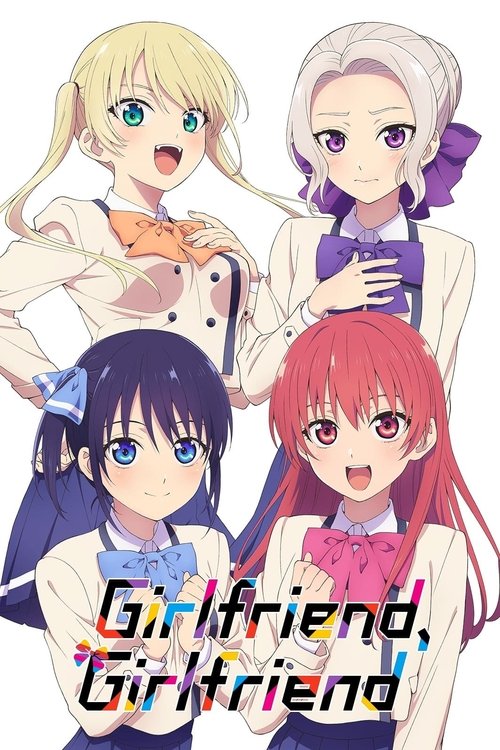
The story begins with the protagonist, Naoya Mukai, a high school student who is in a committed relationship with his girlfriend, Saki Saki. Naoya is depicted as a kind-hearted and earnest young man who is deeply in love with Saki. Their relationship is characterized by sweet moments and mutual affection, showcasing their strong bond.
One day, while Naoya is on his way to school, he encounters a girl named Nagisa Minase, who is a classmate. Nagisa confesses her feelings for Naoya, declaring that she loves him and wants to be his girlfriend. This unexpected confession leaves Naoya in a dilemma, as he is already in a relationship with Saki. Despite his initial hesitation, Naoya decides to accept Nagisa's feelings, believing that he can manage both relationships without hurting anyone.
Naoya approaches Saki to discuss the situation. He explains that he has decided to date Nagisa alongside her, proposing a polyamorous relationship. Saki is taken aback by this revelation and struggles to process her emotions. However, she ultimately agrees to the arrangement, albeit with some reservations. This decision sets the stage for the complexities and comedic situations that arise from their unconventional love triangle.
As the story progresses, Naoya juggles his time between Saki and Nagisa, trying to keep both girls happy. Each girl has her own distinct personality and approach to their relationship with Naoya. Saki is more assertive and confident, while Nagisa is shy and sweet, leading to various humorous and awkward situations as they navigate their shared affection for Naoya.
The dynamics of the trio become increasingly complicated when Saki and Nagisa begin to interact more. They have moments of jealousy and rivalry, but also instances of camaraderie as they try to understand each other. Naoya finds himself in the middle, often trying to mediate between the two girls and keep the peace.
A significant turning point occurs when Saki and Nagisa decide to confront their feelings directly. They have a heart-to-heart conversation about their love for Naoya and their own insecurities. This moment of vulnerability allows them to bond over their shared affection for him, leading to a deeper understanding of each other's feelings.
As the school year progresses, Naoya's relationships with Saki and Nagisa face various challenges. There are misunderstandings, comedic mishaps, and moments of emotional tension that test their commitment to one another. Naoya's attempts to balance his time and affection between the two girls often lead to humorous situations, such as double dates and secret meetings.
The climax of the season occurs during a school festival, where Naoya, Saki, and Nagisa are all involved in different activities. Tensions rise as both girls want Naoya's attention, leading to a chaotic series of events where they each try to outdo one another. The festival serves as a backdrop for the culmination of their feelings, resulting in a dramatic confrontation that forces Naoya to make a choice.
In the final moments of the season, Naoya reflects on his relationships and the impact they have had on his life. He realizes that he cares deeply for both Saki and Nagisa, but understands that maintaining a polyamorous relationship is more complicated than he initially thought. The season ends on a cliffhanger, leaving viewers questioning how Naoya will resolve his feelings and what the future holds for the trio.


What is the ending?
In the ending of "Girlfriend, Girlfriend," season 1, the main character, Naoya, finds himself in a complicated love triangle with two girlfriends, Saki and Nagisa. The season concludes with Naoya trying to balance his relationships with both girls, leading to a chaotic but heartfelt resolution where all three characters express their feelings and desires, leaving the future of their relationships open-ended.
As the final episode unfolds, we see Naoya grappling with the emotional weight of his situation. The scene opens with Naoya sitting in his room, deep in thought. He reflects on the time he has spent with both Saki and Nagisa, feeling the pressure of their expectations. The camera captures his furrowed brow and the tension in his shoulders, illustrating his internal conflict.
The next scene shifts to Saki and Nagisa, who are both aware of Naoya's struggle. They meet separately, each expressing their feelings about their relationship with him. Saki, with her fiery spirit, confronts Naoya about his indecisiveness. Her eyes flash with determination as she demands clarity, wanting to know where she stands. Meanwhile, Nagisa, more reserved and gentle, expresses her desire to support Naoya but also her need for reassurance. The contrast between their personalities is palpable, highlighting the complexity of Naoya's predicament.
As the episode progresses, Naoya decides to bring both girls together to address the situation head-on. The scene is set in a park, where the three of them sit on a bench, the atmosphere thick with tension. Naoya takes a deep breath, his heart racing as he prepares to speak. He acknowledges the love he feels for both Saki and Nagisa, admitting that he cannot choose between them. The camera zooms in on his face, capturing the vulnerability and sincerity in his expression.
Saki and Nagisa react differently to Naoya's confession. Saki, initially frustrated, softens as she realizes the depth of Naoya's feelings. Her expression shifts from anger to understanding, and she reaches out to hold his hand, a gesture filled with warmth. Nagisa, on the other hand, looks contemplative, her eyes glistening with unshed tears. She appreciates Naoya's honesty but struggles with the reality of their unconventional relationship.
The climax of the episode occurs when the three of them agree to continue their relationship as a trio, embracing the chaos and complexity of their situation. They share a moment of laughter, breaking the tension, and the scene captures their camaraderie. The camera pans out, showing them sitting together, a united front against the world.
In the final moments, the screen fades to black, leaving viewers with a sense of uncertainty about what lies ahead for Naoya, Saki, and Nagisa. The fate of each character remains intertwined, with their relationships evolving but still fraught with challenges. Naoya's journey of self-discovery continues, while Saki and Nagisa must navigate their feelings in this unconventional love triangle.
The season ends on an open note, inviting viewers to ponder the complexities of love and relationships, and the characters' futures remain a tantalizing mystery.
Is there a post-credit scene?
In "Girlfriend, Girlfriend," Season 1, there is no post-credit scene. The episodes conclude without any additional scenes or content after the credits roll. The focus remains on the main storyline and character dynamics throughout the episodes, leaving no extra material for viewers to anticipate after the credits. The series primarily centers around the romantic entanglements and comedic situations involving the protagonist, Naoya Mukai, and his two girlfriends, Saki Saki and Nagisa Minase, without extending into post-credit narratives.
What are the main character's motivations for dating two girls at the same time?
The main character, Naoya Mukai, is motivated by his strong feelings for both Saki Saki and Nagisa Minase. He initially starts dating Saki Saki, who is his childhood crush, but after a chance encounter with Nagisa, he finds himself equally attracted to her. Naoya's desire to maintain both relationships stems from his belief in love and his unwillingness to hurt either girl, showcasing his emotional conflict and the challenges of managing two romantic relationships.
How do Saki Saki and Nagisa Minase react to each other throughout the series?
Saki Saki and Nagisa have a complex relationship marked by rivalry and moments of camaraderie. Initially, Saki Saki is possessive and confrontational towards Nagisa, feeling threatened by her presence in Naoya's life. However, as the series progresses, they begin to understand each other better, leading to moments of mutual respect and even friendship, despite the underlying tension of their love for Naoya.
What challenges does Naoya face in balancing his relationships with Saki Saki and Nagisa?
Naoya faces numerous challenges in balancing his relationships, including managing the jealousy and emotional outbursts from both girls. He struggles with the logistics of keeping his double life a secret from friends and family, while also trying to ensure that both Saki Saki and Nagisa feel valued and loved. His internal conflict grows as he tries to navigate the complexities of love, loyalty, and the fear of losing either girl.
What role do Naoya's friends play in the story, particularly in relation to his relationships?
Naoya's friends, particularly his best friend, play a significant role in the narrative by providing comic relief and advice, often questioning Naoya's decision to date two girls simultaneously. They serve as a sounding board for Naoya's dilemmas and sometimes encourage him to pursue his feelings more boldly, while also highlighting the absurdity of his situation. Their reactions often add to the comedic elements of the series.
How does the series portray the concept of polyamory through Naoya's relationships?
The series portrays polyamory through Naoya's relationships by exploring the emotional complexities and societal perceptions of loving more than one person at a time. Naoya's attempts to keep both Saki Saki and Nagisa happy illustrate the challenges of communication and honesty in polyamorous dynamics. The show often highlights the humorous and chaotic aspects of this arrangement, while also touching on the deeper emotional connections that can exist between multiple partners.
Is this family friendly?
"Girlfriend, Girlfriend" is a romantic comedy anime that features themes of love and relationships, which may not be suitable for all children or sensitive viewers. Here are some potentially objectionable or upsetting aspects:
-
Romantic Relationships: The show revolves around a love triangle and polyamorous relationships, which may be confusing or inappropriate for younger audiences.
-
Suggestive Humor: There are instances of suggestive jokes and innuendos that may not be suitable for children.
-
Emotional Conflicts: Characters experience jealousy, insecurity, and emotional turmoil related to their relationships, which could be distressing for some viewers.
-
Physical Comedy: Some scenes involve exaggerated physical comedy that may include slapstick elements, which could be perceived as violent or inappropriate.
-
Mature Themes: The exploration of romantic feelings and the complexities of dating may touch on themes that are more suitable for older teens and adults.
Overall, while the show has comedic elements, its focus on romantic entanglements and mature themes may not be family-friendly for all viewers.









