







Popular
What is the relationship between Ana and Mariana in the show?
How do Ana and Mariana's families react to the baby swap?
What internal conflicts does Ana face throughout the season?
How does Mariana's character develop over the course of the season?
What role does the theme of motherhood play in the characters' interactions?
Should I watch it?
Ask Your Own Question

What is the plot?
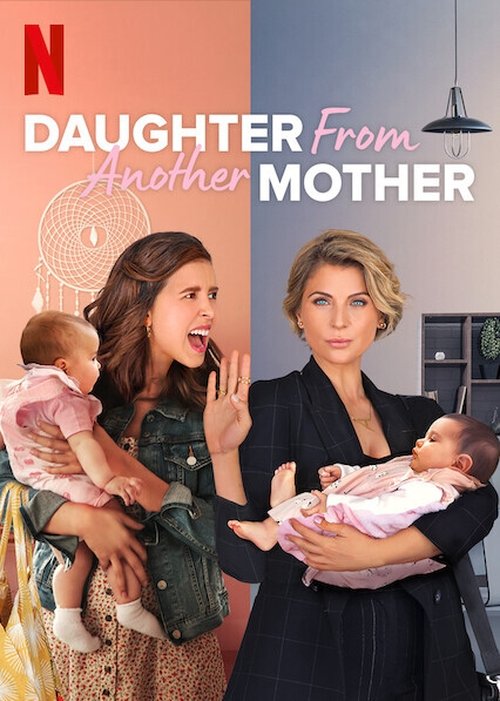
In the opening scene of "Daughter from Another Mother," we are introduced to two women, Ana and Mariana, who are both in the hospital giving birth. Ana, a single mother, is excited yet nervous about her new life with her baby. Meanwhile, Mariana, who is married and has a stable life, is also welcoming her child. However, a mix-up occurs when the two babies are accidentally switched at the hospital.
As the story unfolds, Ana takes her baby home, naming her Valentina, and begins to adjust to motherhood. She is determined to provide a good life for her daughter despite the challenges she faces as a single parent. Meanwhile, Mariana, who has taken home Ana's baby, named her Regina, is also trying to navigate her new role as a mother. Both women are shown struggling with the demands of motherhood, but they have different support systems and lifestyles.
The plot thickens when Ana discovers the mix-up after a few days. She receives a call from the hospital informing her of the error. Shocked and confused, Ana rushes to the hospital to confront the situation. There, she meets Mariana, and the two women are initially hostile towards each other, each feeling protective of the child they have been raising. The tension is palpable as they realize the implications of the switch.
After some heated discussions, Ana and Mariana agree to meet and discuss how to resolve the situation. They decide to spend time together to understand each other's lives and the impact of the switch on their families. This leads to a series of awkward yet revealing encounters where they share their experiences and fears about motherhood. Ana is portrayed as more impulsive and emotional, while Mariana is more composed and practical.
As they continue to meet, both women begin to bond over their shared experiences as mothers. They attend parenting classes together, which leads to humorous and relatable moments. However, the underlying tension of the baby switch remains, and both women grapple with the idea of giving up the child they have grown to love.
The emotional stakes rise when Ana and Mariana's families become involved. Ana's mother is supportive but also worried about the implications of the switch, while Mariana's husband is more skeptical and protective of their daughter, Regina. This creates additional conflict as both families have differing opinions on how to handle the situation.
As the story progresses, Ana and Mariana decide to conduct a DNA test to confirm the switch officially. The results come back, confirming that Valentina is Ana's biological daughter and Regina is Mariana's. This revelation leads to a climactic confrontation where both women express their fears of losing the child they have raised. The emotional turmoil is evident as they both realize the depth of their attachment to the babies.
In a pivotal moment, Ana and Mariana decide to take a break from each other to reflect on their feelings and the best course of action. During this time, Ana struggles with the idea of giving up Valentina, while Mariana faces pressure from her husband to keep Regina. The internal conflict is portrayed through their interactions with friends and family, highlighting their emotional states.
Eventually, Ana and Mariana come back together to discuss their next steps. They agree to a temporary arrangement where they will continue to raise the children together, sharing custody. This decision is fraught with complications, as both women must navigate their new relationship as co-parents while dealing with their own families' reactions.
The season culminates in a series of events that test their newfound partnership. They face challenges such as scheduling conflicts, differing parenting styles, and the emotional toll of sharing their children. However, through these trials, they begin to develop a deeper understanding and respect for each other.
In the final scenes, Ana and Mariana reflect on their journey, realizing that despite the chaos, they have formed a unique bond. They acknowledge the complexities of their situation but express a commitment to making it work for the sake of their daughters. The season ends on a hopeful note, with both women looking forward to the future as co-parents, having learned to navigate their unconventional family dynamic.









What is the ending?
In the ending of "Daughter from Another Mother," the two families come to terms with their unique situation, realizing the importance of their bond. Ana and Mariana, the two mothers, find a way to coexist and support each other, while their daughters, Valentina and Regina, also develop a close relationship. The series concludes with a sense of hope and acceptance, as both families embrace their unconventional circumstances.
As the final episode unfolds, we see Ana and Mariana navigating the complexities of their intertwined lives. The scene opens with Ana feeling overwhelmed by the challenges of raising her daughter, Valentina, alongside Mariana's daughter, Regina. The tension between the two mothers has been palpable throughout the season, but they are now at a crossroads where they must decide how to move forward.
In a pivotal moment, Ana and Mariana sit down together, reflecting on their journey. They share their fears and insecurities about motherhood, revealing their vulnerabilities. Ana expresses her worries about Valentina's future, while Mariana opens up about her struggles with balancing work and family life. This heartfelt conversation marks a turning point in their relationship, as they begin to understand each other's perspectives.
As the episode progresses, we see the girls, Valentina and Regina, playing together in the park. Their laughter and joy serve as a reminder of the innocence of childhood, and the bond they have formed despite their unconventional beginnings. The camera captures their carefree moments, highlighting the beauty of their friendship.
Meanwhile, Ana and Mariana decide to collaborate on a project that will benefit both families. They brainstorm ideas and come up with a plan to create a community event that celebrates their unique family dynamic. This initiative not only strengthens their bond but also helps them connect with other families in similar situations, fostering a sense of community and support.
In the climax of the episode, the community event takes place, and both families come together to celebrate. The atmosphere is filled with laughter, music, and a sense of belonging. Ana and Mariana take a moment to reflect on how far they have come, acknowledging the challenges they faced but also the growth they have experienced together.
As the event concludes, we see Ana and Mariana standing side by side, watching their daughters play. They share a knowing smile, a silent agreement that they will continue to support each other as co-parents. The camera pans out, capturing the vibrant scene of families enjoying the day, symbolizing the acceptance of their new reality.
In the final moments, the screen fades to black, leaving viewers with a sense of hope and the understanding that family can take many forms. Ana and Mariana have not only found a way to coexist but have also built a strong foundation for their daughters to thrive in a loving and supportive environment. The series ends on a note of optimism, emphasizing the importance of community, acceptance, and the bonds that can form in unexpected circumstances.
Is there a post-credit scene?
In "Daughter from Another Mother," Season 1, there is no post-credit scene. The series concludes its episodes without any additional scenes or content after the credits roll. Each episode wraps up its narrative arcs and character developments, leaving viewers with a sense of closure for the storylines presented throughout the season. The focus remains on the main plot and character dynamics, particularly the evolving relationship between the two mothers, Ana and Mariana, and their daughters, as they navigate the complexities of their intertwined lives.
What is the relationship between Ana and Mariana in the show?
Ana and Mariana are two women from very different backgrounds who find themselves connected through a mix-up at the hospital where they both give birth. Ana, a single mother, is struggling to raise her daughter, while Mariana comes from a wealthy family. Their relationship evolves from initial animosity and confusion to a complex bond as they navigate the challenges of motherhood together.
How do Ana and Mariana's families react to the baby swap?
Both families are initially shocked and confused by the revelation of the baby swap. Ana's family, who are more modest and traditional, struggle to understand the implications of the situation, while Mariana's affluent family is more concerned about their social image. As the story progresses, both families must confront their prejudices and learn to accept the new reality.
What internal conflicts does Ana face throughout the season?
Ana grapples with feelings of inadequacy and fear of losing her daughter, as she feels overshadowed by Mariana's wealth and social status. She also struggles with her own identity as a mother, questioning her parenting choices and the sacrifices she has made. This internal conflict drives her to seek validation and ultimately leads her to assert her role in her daughter's life.
How does Mariana's character develop over the course of the season?
Mariana starts as a seemingly spoiled and entitled character, but as the season progresses, her vulnerabilities are revealed. She faces the pressure of her family's expectations and her own insecurities about being a mother. This development leads her to become more empathetic towards Ana and to reevaluate her priorities, ultimately fostering a deeper connection with both Ana and her daughter.
What role does the theme of motherhood play in the characters' interactions?
Motherhood is central to the characters' interactions, as both Ana and Mariana navigate their new roles in light of the baby swap. Their differing approaches to parenting create tension but also opportunities for growth. The theme highlights their struggles, fears, and the lengths they will go to protect their children, ultimately leading to a shared understanding and bond between them.
Is this family friendly?
"Daughter from Another Mother" is a comedy-drama series that explores themes of motherhood, family dynamics, and the complexities of relationships. While the show has humorous elements, it also delves into more serious topics that may not be suitable for all children or sensitive viewers.
Potentially objectionable or upsetting aspects include:
-
Parental Struggles: The show portrays the challenges and emotional turmoil of parenting, which may resonate deeply with some viewers but could be distressing for others.
-
Conflict and Tension: There are scenes of conflict between the main characters, which can include arguments and misunderstandings that may be intense.
-
Themes of Abandonment: The storyline involves themes of abandonment and the emotional impact it has on children and parents, which could be upsetting for sensitive viewers.
-
Mature Conversations: Some dialogues touch on adult themes, including relationships and personal struggles, which may not be appropriate for younger audiences.
-
Emotional Vulnerability: Characters experience moments of vulnerability and sadness, which may evoke strong emotional responses.
Overall, while the show contains comedic elements, its exploration of complex emotional themes may not be suitable for all children or sensitive individuals. Viewer discretion is advised.