








Popular
What are the circumstances that lead to the two mothers swapping their babies?
How do Ana and Mariana's parenting styles differ?
What role does the character of Pablo play in the story?
How do the two mothers' relationships evolve throughout the series?
What challenges do Ana and Mariana face in their personal lives outside of motherhood?
Should I watch it?
Ask Your Own Question

What is the plot?
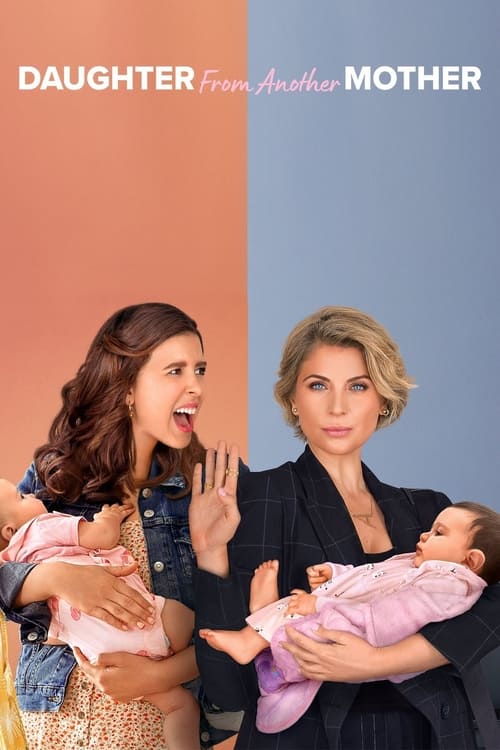
The story begins with two women, Ana and Mariana, who are strangers to each other but find their lives intertwined when they both give birth on the same day in a hospital. Ana, a single mother, is overwhelmed and struggling with the responsibilities of motherhood. Meanwhile, Mariana, who is married and has a stable life, is also dealing with her own challenges, including the pressure of being a perfect mother.
In a mix-up at the hospital, Ana and Mariana accidentally switch their babies. Ana takes home Mariana's daughter, while Mariana leaves with Ana's son. This switch sets off a series of events that will change their lives forever. Both women are initially unaware of the mix-up and begin to bond with the babies they believe to be their own.
As the days pass, Ana starts to notice that her baby, whom she has named "Valentina," has some traits that don't match her own family background. She becomes increasingly suspicious and begins to investigate. Meanwhile, Mariana is also experiencing doubts about her son, whom she has named "Simon," as he exhibits behaviors that are not typical for her family.
The turning point occurs when Ana and Mariana meet again at a parenting group. They recognize each other and the babies, leading to a shocking realization that they have switched their children. This revelation is filled with emotional turmoil as both women grapple with the implications of their mistake. They are faced with the decision of whether to switch the babies back or to continue raising the children they have grown attached to.
After much discussion, Ana and Mariana decide to switch the babies back, but the emotional weight of the decision is heavy. They both feel a deep connection to the children they have been raising, and the thought of giving them up is painful. They agree to spend time together to help the children transition back to their biological families.
As they navigate this complex situation, both women begin to form a friendship. They share their experiences and struggles as mothers, and their bond deepens. However, the external pressures from their families and society complicate their relationship. Ana's mother is particularly critical of her decision to switch back, while Mariana's husband is supportive but concerned about the emotional impact on their family.
The story takes a dramatic turn when Ana's mother confronts her about the situation, leading to a heated argument that forces Ana to reevaluate her choices. She feels torn between her desire to be a good mother and the societal expectations placed upon her. Meanwhile, Mariana faces her own challenges as she tries to balance her family life with the emotional fallout of the switch.
As the series progresses, both women face personal crises that test their resolve. Ana struggles with her financial situation and the pressure to provide for Valentina, while Mariana deals with her husband's increasing demands and the strain on their marriage. Their friendship becomes a source of strength as they support each other through these challenges.
In the climax of the story, a confrontation occurs when both families come together for a meeting to discuss the future of the children. Emotions run high as both women express their fears and hopes for their children. The meeting reveals deep-seated insecurities and desires, leading to a breakthrough moment where both women realize the importance of their bond and the love they have for the children.
The series concludes with a resolution that emphasizes the importance of family, love, and the unconventional paths that motherhood can take. Ana and Mariana ultimately decide to co-parent, allowing both families to remain involved in the children's lives. This decision reflects their growth as individuals and as friends, showcasing the strength of their connection despite the initial chaos that brought them together.






What is the ending?
In the ending of "Daughter from Another Mother," the two mothers, Ana and Mariana, come to terms with their unique family situation. They realize the importance of their bond and the love they have for their daughters. The series concludes with a sense of acceptance and a commitment to co-parenting, highlighting the strength of their unconventional family.
As the final episodes unfold, we see Ana and Mariana navigating the complexities of their intertwined lives. The tension that has built up throughout the series begins to resolve as both women confront their fears and insecurities regarding motherhood and their relationship with each other.
In a pivotal scene, Ana, who has been struggling with her identity as a mother, finally opens up to Mariana about her feelings of inadequacy. She expresses her worries about not being able to provide the same stability for her daughter, Valentina, as Mariana does for her daughter, Regina. Mariana listens intently, her expression softening as she realizes the depth of Ana's struggles. This moment of vulnerability allows them to connect on a deeper level, breaking down the walls that had previously separated them.
Meanwhile, Mariana is dealing with her own challenges, particularly her relationship with her husband, who has been distant. In a heartfelt conversation, she confronts him about his lack of support and the emotional distance that has grown between them. This confrontation leads to a breakthrough, as they both acknowledge the need for better communication and understanding in their marriage.
As the series progresses, the two mothers begin to collaborate more closely, sharing parenting duties and supporting each other in their respective challenges. They attend school events together, and their daughters grow closer, forming a bond that reflects the unique circumstances of their families. The scenes are filled with warmth and humor, showcasing the joys and trials of co-parenting.
In the final moments of the series, Ana and Mariana host a gathering for their friends and family, celebrating their unconventional family structure. The atmosphere is filled with laughter and love, as both mothers express their gratitude for the journey they have taken together. They acknowledge the challenges they faced but emphasize the importance of their bond and the love they have for their daughters.
The series concludes with a poignant scene where Ana and Mariana stand together, watching their daughters play. They share a knowing smile, a silent agreement that they will continue to support each other as they navigate the complexities of motherhood. The camera pans out, capturing the essence of their newfound family dynamic, leaving viewers with a sense of hope and acceptance.
In terms of character fates, Ana finds a renewed sense of confidence in her role as a mother, while Mariana strengthens her relationship with her husband. Both women embrace their unique family situation, demonstrating resilience and the power of friendship. The series ends on a hopeful note, emphasizing the importance of love, acceptance, and the bonds that can form in unexpected circumstances.
Is there a post-credit scene?
"Daughter from Another Mother" does not feature a post-credit scene. The series concludes its narrative without any additional scenes after the credits roll. The focus remains on the main storyline and character development throughout the episodes, wrapping up the arcs of the two mothers, Ana and Mariana, and their daughters, as they navigate the complexities of their intertwined lives. The absence of a post-credit scene allows the audience to reflect on the emotional journey and the themes of family, friendship, and acceptance that the show explores.
What are the circumstances that lead to the two mothers swapping their babies?
In 'Daughter from Another Mother', the plot begins with a chance encounter at a hospital where two women, Ana and Mariana, give birth on the same day. Due to a mix-up, they end up taking home each other's babies. This situation is compounded by the fact that Ana is a single mother, while Mariana is part of a traditional family, leading to a complex emotional journey as they navigate their new realities.
How do Ana and Mariana's parenting styles differ?
Ana is portrayed as a free-spirited and somewhat impulsive mother, often prioritizing her daughter's happiness and emotional needs over strict routines. In contrast, Mariana embodies a more structured and traditional approach, emphasizing discipline and stability. This clash in parenting styles creates tension and comedic moments as they learn to adapt to each other's methods while raising their swapped daughters.
What role does the character of Pablo play in the story?
Pablo, Mariana's husband, serves as a stabilizing force in the narrative. He is initially unaware of the baby swap and is portrayed as supportive yet confused by the unfolding chaos. As the story progresses, Pablo becomes more involved, grappling with the implications of the swap and the emotional turmoil it brings to both families, ultimately seeking to understand and support Mariana and Ana.
How do the two mothers' relationships evolve throughout the series?
Initially, Ana and Mariana are strangers brought together by circumstance, leading to a rocky start filled with misunderstandings and conflict. However, as they navigate the challenges of motherhood and the implications of their swapped daughters, their relationship deepens. They begin to form a bond based on shared experiences, empathy, and the realization that they can learn from each other's strengths and weaknesses.
What challenges do Ana and Mariana face in their personal lives outside of motherhood?
Both Ana and Mariana face significant personal challenges that impact their lives as mothers. Ana struggles with her identity as a single mother and the societal pressures that come with it, while also dealing with her own insecurities and past traumas. Mariana, on the other hand, grapples with the expectations of her traditional family life and the strain it puts on her marriage with Pablo. These personal struggles add depth to their characters and influence their decisions throughout the series.
Is this family friendly?
"Daughter from Another Mother" is a Spanish comedy-drama series that explores themes of motherhood, family dynamics, and the complexities of relationships. While the show has humorous elements, it also delves into more serious topics that may not be suitable for all children or sensitive viewers.
Potentially objectionable or upsetting aspects include:
-
Parental Struggles: The series portrays the challenges and emotional turmoil of parenting, including feelings of inadequacy and conflict between parents, which may resonate deeply with some viewers.
-
Conflict and Tension: There are scenes of interpersonal conflict between the main characters, which can include arguments and emotional confrontations that might be intense for younger audiences.
-
Themes of Abandonment: The show touches on themes of abandonment and the impact it has on children, which could be distressing for sensitive viewers.
-
Mature Conversations: Some dialogues include discussions about relationships, infidelity, and personal struggles that may not be appropriate for younger viewers.
-
Emotional Vulnerability: Characters experience moments of vulnerability and sadness, which may evoke strong emotional responses.
Overall, while the series has comedic elements, its exploration of complex emotional themes may not be suitable for all children or sensitive individuals. Viewer discretion is advised.









