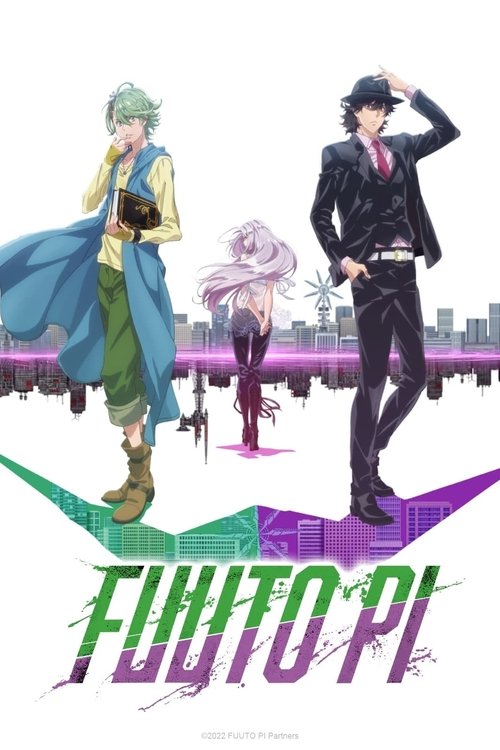








Popular
Who are the main antagonists in Season 1, and what are their motivations?
What is the significance of the Fuuto PI and how does it relate to the characters?
How does Shotaro Hidari's character develop throughout the season?
What role does Philip play in the investigations, and how does his relationship with Shotaro evolve?
What is the significance of the Gaia Memories in the story, and how do they affect the characters?
Should I watch it?
Ask Your Own Question

What is the plot?
In the city of Fuuto, a mysterious organization known as the Museum is at the center of a series of bizarre events involving the use of powerful devices called Gaia Memories. The story begins with a young man named Shotaro Hidari, a private detective who works alongside his partner, the enigmatic and powerful Philip. They are known for solving cases that often involve the supernatural elements tied to the Gaia Memories.
The first major event occurs when Shotaro and Philip are approached by a woman named Akiko, who is seeking their help to find her missing friend. She reveals that her friend was last seen near a suspicious warehouse linked to the Museum. Shotaro, driven by a sense of justice and a desire to protect the innocent, agrees to take on the case. Philip, who possesses a deep knowledge of the Gaia Memories, is intrigued by the potential dangers involved.
As they investigate the warehouse, they encounter a group of thugs who are using Gaia Memories to transform into monstrous forms. A confrontation ensues, and Shotaro and Philip engage in a fierce battle. Shotaro uses his skills as a detective and fighter, while Philip taps into the powers of the Gaia Memories to assist in the fight. The scene is intense, with punches thrown and energy blasts exchanged, showcasing their teamwork and determination.
After defeating the thugs, Shotaro and Philip discover a hidden room filled with Gaia Memories and evidence of the Museum's nefarious plans. They learn that the Museum is experimenting with these devices to create powerful monsters known as Dopants. This revelation heightens their urgency to stop the organization and protect the citizens of Fuuto.
The plot thickens when they encounter a new character, a mysterious figure named Raito, who seems to have his own agenda regarding the Gaia Memories. Raito reveals that he has been tracking the Museum and offers to help Shotaro and Philip in their quest. However, his true motives remain unclear, creating tension and uncertainty within the group.
As they delve deeper into the Museum's operations, Shotaro and Philip face numerous challenges, including betrayals and unexpected encounters with other Dopants. Each battle tests their resolve and pushes them to their limits. The emotional stakes rise as they witness the impact of the Museum's actions on innocent lives, fueling their determination to bring justice.
In a climactic showdown, Shotaro and Philip confront the leader of the Museum, who reveals a shocking twist: he has been manipulating events from the shadows and has a personal connection to Philip's past. This revelation shakes Philip to his core, forcing him to confront his own identity and the choices he has made. The battle that follows is intense, with both sides unleashing their full powers in a desperate struggle for control.
Ultimately, Shotaro and Philip manage to defeat the leader, but not without significant sacrifices. The victory comes at a cost, leaving them to grapple with the emotional fallout of their actions and the lives affected by the Museum's schemes. As the dust settles, they reflect on their journey and the challenges that lie ahead, knowing that the fight against the misuse of Gaia Memories is far from over.
The season concludes with a sense of unresolved tension, as new threats loom on the horizon and the characters must prepare for the battles yet to come. Shotaro and Philip's bond is stronger than ever, but the weight of their experiences hangs heavy, setting the stage for future adventures in Fuuto.





What is the ending?
In the ending of "Fuuto PI," the story culminates in a climactic confrontation between the protagonists and the main antagonist, leading to a resolution of the central conflict. The characters face their personal demons and the consequences of their actions, ultimately finding a sense of closure and purpose.
As the final episodes unfold, the tension escalates. The protagonists, Shotaro Hidari and Philip, confront the villain, who has been manipulating events from the shadows. The battle is intense, showcasing the powers of the various Dopants and the determination of the heroes. In the end, Shotaro and Philip manage to defeat the antagonist, restoring peace to Fuuto City. The resolution brings a sense of relief and hope, as the characters reflect on their journey and the bonds they have formed.
As the final act of "Fuuto PI" begins, the atmosphere in Fuuto City is thick with tension. The sun sets, casting long shadows over the streets, as Shotaro Hidari and Philip prepare for their final confrontation with the nefarious villain, who has been orchestrating chaos through the use of the dangerous Gaia Memories. The stakes are higher than ever, as the fate of the city hangs in the balance.
Scene 1: The Gathering Storm Shotaro and Philip stand atop a building, overlooking the city they have sworn to protect. Shotaro's expression is a mix of determination and concern; he knows the risks involved in facing their enemy. Philip, ever the calm strategist, analyzes their options, his brow furrowed in concentration. They exchange a few words, reaffirming their partnership and the bond that has grown between them. The weight of their mission is palpable, and the air crackles with anticipation.
Scene 2: The Confrontation The scene shifts to the villain's lair, a dark and foreboding place filled with the remnants of past battles. The antagonist, cloaked in shadows, reveals their true intentions, taunting Shotaro and Philip. The dialogue is sharp, filled with tension as the villain mocks their efforts and reveals the extent of their plans. The heroes respond with resolve, ready to fight for their city and the people they care about.
Scene 3: The Battle The battle erupts with a flurry of action. Shotaro transforms into Kamen Rider W, his movements fluid and powerful as he engages in combat with the villain's minions, the Dopants. Philip supports him, using his intellect to devise strategies on the fly. The choreography of the fight is dynamic, showcasing the unique abilities of each character. The stakes rise as the villain unleashes their ultimate weapon, forcing Shotaro and Philip to dig deep into their reserves of strength and courage.
Scene 4: The Turning Point In a pivotal moment, Shotaro faces a moment of doubt, recalling the friends and allies they have lost along the way. This internal struggle is visually represented through flashbacks, highlighting the emotional weight of their journey. However, Philip's unwavering faith in Shotaro reignites his resolve. With a renewed sense of purpose, Shotaro channels his energy into a final, decisive attack.
Scene 5: The Resolution As the dust settles, the villain is defeated, their plans thwarted. The city begins to heal, and the citizens of Fuuto emerge from their homes, cautiously optimistic. Shotaro and Philip stand together, breathing heavily but victorious. They share a moment of quiet reflection, acknowledging the sacrifices made and the bonds forged through their trials. The camera pans out, showing the city bathed in the warm glow of the setting sun, symbolizing hope and renewal.
Scene 6: The Aftermath In the final scenes, we see the main characters moving forward with their lives. Shotaro takes on a more active role in the community, helping to rebuild and support those affected by the chaos. Philip, ever the seeker of knowledge, continues to explore the mysteries of the Gaia Memories, determined to prevent future threats. Their friendship remains strong, a testament to their shared experiences and the challenges they have overcome.
As the credits roll, the audience is left with a sense of closure, knowing that while the battle may be over, the journey of Shotaro and Philip continues, filled with new adventures and challenges ahead. Each character has found their place in the world, and the story of Fuuto City is far from finished.
Is there a post-credit scene?
In "Fuuto PI," Season 1, there is indeed a post-credit scene that adds an intriguing layer to the narrative. After the main credits roll, the scene opens with a dimly lit room filled with various gadgets and technology, hinting at a secretive atmosphere.
The camera pans to a figure shrouded in shadows, their face obscured, as they manipulate a device that displays images of Fuuto City. The figure appears to be monitoring the activities of the main characters, Shotaro and Philip, as well as the various Dopant incidents occurring throughout the city.
As the figure adjusts the device, a smirk forms on their lips, suggesting a sense of satisfaction or amusement at the chaos unfolding in Fuuto. The scene conveys a sense of foreboding, hinting at a new antagonist or a deeper conspiracy that may emerge in future episodes. The tension builds as the figure's identity remains a mystery, leaving viewers with a sense of anticipation and curiosity about what lies ahead in the story.
This post-credit scene effectively sets the stage for future conflicts and character developments, reinforcing the show's themes of mystery and the ongoing battle against the Dopants.
Who are the main antagonists in Season 1, and what are their motivations?
The main antagonists in Season 1 are the Dopants, individuals who use Gaia Memories to transform into powerful beings. Each Dopant has unique motivations, often driven by personal desires, revenge, or the pursuit of power. For instance, some seek to eliminate those who wronged them, while others are manipulated by larger organizations. Their motivations create a web of conflict that challenges Shotaro and Philip, forcing them to confront not only the physical threats but also the moral implications of their actions.
What is the significance of the Fuuto PI and how does it relate to the characters?
The Fuuto PI, or the Fuuto Private Investigator agency, serves as the central hub for the main characters, Shotaro Hidari and Philip. It symbolizes their partnership and commitment to solving mysteries in the city of Fuuto. The agency's name reflects their duality, with Shotaro representing the physical detective work and Philip embodying the intellectual prowess needed to uncover the truth behind the Dopant crimes.
How does Shotaro Hidari's character develop throughout the season?
Shotaro starts as a somewhat carefree and laid-back detective, often relying on Philip's intellect. However, as the season progresses, he faces various challenges that test his resolve and detective skills. His emotional state fluctuates between confidence and self-doubt, especially when confronting the darker aspects of the Dopant cases. By the end of the season, he emerges more determined and self-assured, having learned to trust his instincts and abilities.
What role does Philip play in the investigations, and how does his relationship with Shotaro evolve?
Philip serves as the brains behind the operations, utilizing his vast knowledge and analytical skills to assist Shotaro in solving cases. Initially, their relationship is somewhat transactional, with Philip often remaining in the background. However, as they face increasingly dangerous situations, their bond deepens, showcasing a growing trust and camaraderie. Philip's emotional struggles with his own identity and past also add layers to their partnership, making it more complex and meaningful.
What is the significance of the Gaia Memories in the story, and how do they affect the characters?
Gaia Memories are central to the plot, acting as both a source of power and a catalyst for conflict. They grant users extraordinary abilities but often come with severe consequences, such as addiction or loss of humanity. For characters like Shotaro and Philip, the Gaia Memories represent the thin line between justice and corruption. The struggle against the Dopants highlights their internal conflicts, as they grapple with the temptation of power while striving to protect the city and its inhabitants.
Is this family friendly?
"Fuuto PI" is generally aimed at a teen and adult audience, and while it contains elements of action and adventure, there are aspects that may not be suitable for younger viewers or sensitive individuals. Here are some potentially objectionable or upsetting scenes and aspects:
-
Violence: The show features action sequences that include fighting, physical confrontations, and the use of weapons. Some scenes may depict injuries or intense battles.
-
Dark Themes: The narrative explores themes of crime, betrayal, and moral ambiguity, which may be unsettling for younger audiences.
-
Monsters and Transformations: The presence of monstrous entities and the transformation sequences can be visually intense and may be frightening for some children.
-
Death and Loss: Characters face significant challenges, including loss and the consequences of their actions, which can evoke strong emotional responses.
-
Mature Language: There are instances of strong language that may not be appropriate for younger viewers.
-
Emotional Turmoil: Characters experience deep emotional struggles, including feelings of guilt, anger, and despair, which may resonate differently with sensitive viewers.
Overall, while "Fuuto PI" has engaging storytelling and character development, its themes and content may require parental discretion for younger audiences.