







Popular
What is the significance of the Fuuto PI organization in the story?
How do Shotaro and Philip's partnership evolve throughout the series?
What are the motivations behind the main antagonist's actions?
What role do the Gaia Memories play in the development of the plot?
How does the setting of Fuuto influence the characters and plot?
Should I watch it?
Ask Your Own Question

What is the plot?
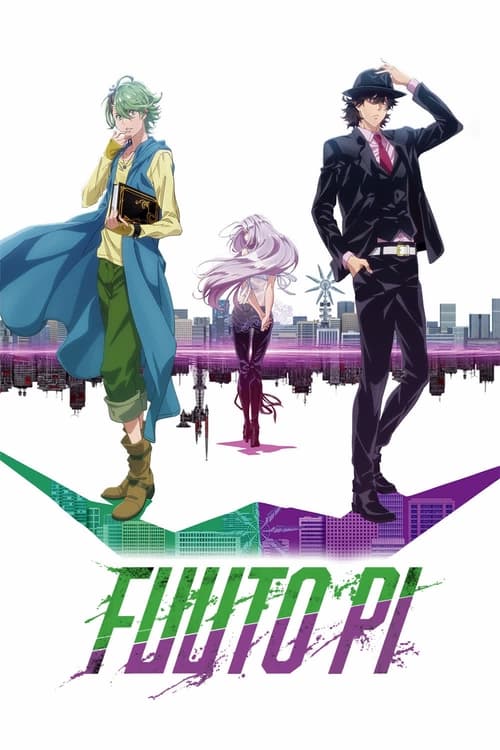
In the city of Fuuto, a mysterious organization known as the Museum is at the center of a series of bizarre events involving the use of powerful artifacts called Gaia Memories. The story begins with the introduction of the protagonist, Shotaro Hidari, a private detective who operates the Narumi Detective Agency alongside his partner, Philip, a young man with a unique ability to access vast knowledge through the Gaia Memories. The duo is approached by a client who seeks their help in investigating a series of strange occurrences linked to the Museum.
As Shotaro and Philip delve deeper into the case, they discover that the Museum is using Gaia Memories to transform ordinary people into monstrous beings called Dopants. These transformations are often triggered by the misuse of the Gaia Memories, which are capable of granting immense power but at a significant cost. The investigation leads them to a confrontation with a Dopant, where Shotaro transforms into Kamen Rider W, utilizing the power of the Gaia Memories to fight against the monstrous threat.
During their investigation, they encounter several key characters, including Akiko Narumi, Shotaro's assistant, who provides emotional support and helps with the detective work. They also meet various allies and enemies, including other Kamen Riders who have their own agendas regarding the Gaia Memories. The tension escalates as the Museum's true intentions begin to unfold, revealing a larger conspiracy that threatens the entire city.
As the plot progresses, Shotaro and Philip face numerous battles against powerful Dopants, each fight showcasing their teamwork and the unique abilities granted by the Gaia Memories. They learn that the Museum is led by a figure known as the "Museum Director," who has a personal vendetta against the city and seeks to reshape it according to his vision. This revelation drives Shotaro and Philip to confront the Director directly.
In a climactic battle, Shotaro and Philip face off against the Director and his most powerful Dopants. The fight is intense, with both sides utilizing their full powers. Shotaro, as Kamen Rider W, showcases his ability to combine different Gaia Memories to enhance his combat skills. The battle takes them through various locations in Fuuto, highlighting the city's vibrant yet dangerous atmosphere.
As the confrontation reaches its peak, Shotaro and Philip are pushed to their limits. They must make critical decisions about how to use the Gaia Memories without succumbing to their corrupting influence. In a moment of desperation, they combine their powers in a new form, allowing them to gain the upper hand against the Director. The emotional stakes are high, as they fight not just for their lives but for the future of Fuuto.
Ultimately, they manage to defeat the Museum Director, but not without significant consequences. The battle leaves lasting scars on the city and its inhabitants, and Shotaro and Philip must grapple with the aftermath of their victory. They reflect on the nature of power and responsibility, understanding that the fight against the misuse of Gaia Memories is far from over.
In the final scenes, the duo returns to the detective agency, where they are greeted by Akiko. They discuss the events that transpired and the challenges that lie ahead. The story concludes with a sense of unresolved tension, hinting at future threats and the ongoing struggle against the forces that seek to exploit the Gaia Memories for their own gain. The bond between Shotaro and Philip is stronger than ever, setting the stage for their continued adventures in Fuuto.





What is the ending?
In the ending of Fuuto PI, the story culminates in a climactic confrontation between the protagonists and the main antagonist, leading to a resolution of the ongoing conflict. The characters face their personal struggles and ultimately find closure, with some moving forward while others are left to grapple with their choices.
As the final episodes unfold, the tension escalates in Fuuto City. The protagonists, Shotaro Hidari and Philip, along with their allies, confront the villainous organization behind the Dopant incidents. The battle is fierce, showcasing the characters' growth and determination. In a pivotal moment, Shotaro and Philip combine their powers to defeat the main antagonist, who has been manipulating events from the shadows.
In the aftermath, the city begins to heal, and the characters reflect on their journeys. Shotaro continues his work as a detective, committed to protecting Fuuto City. Philip, having found a sense of belonging, decides to stay by Shotaro's side. Other characters, like Akiko and Raito, also find their paths, with Akiko embracing her role in the family business and Raito stepping into a new chapter of his life.
As the final act of Fuuto PI unfolds, the atmosphere in Fuuto City is thick with tension. The sun sets, casting long shadows over the streets, as Shotaro Hidari and Philip prepare for their final confrontation with the nefarious organization that has plagued their city. The duo stands resolute, their bond stronger than ever, ready to face the darkness that has threatened their home.
Scene 1: The Confrontation The scene opens in a dimly lit warehouse, the air heavy with anticipation. Shotaro, clad in his signature trench coat, exchanges determined glances with Philip, who stands beside him, his expression a mix of focus and resolve. They know that the time has come to confront the mastermind behind the Dopant incidents. As they step forward, the warehouse doors creak open, revealing the antagonist, a figure shrouded in shadows, flanked by a group of powerful Dopants.
Scene 2: The Battle The battle erupts with a cacophony of sound as Shotaro and Philip transform into their respective forms, the iconic sound of the transformation echoing through the space. The clash of powers is visually stunning, with bursts of energy illuminating the dark corners of the warehouse. Shotaro fights with a fierce determination, driven by his desire to protect the city and those he loves. Philip, channeling his intellect and strength, strategizes their attacks, showcasing their synergy as a team.
Scene 3: The Turning Point As the fight intensifies, the antagonist reveals their true power, momentarily overwhelming Shotaro and Philip. The stakes are raised, and the emotional weight of their struggle becomes palpable. Flashbacks of their past adventures flicker in their minds, reminding them of the friends they've lost and the battles they've fought. This moment of vulnerability fuels their resolve, and they push through the pain, determined to reclaim their city.
Scene 4: The Final Blow In a climactic moment, Shotaro and Philip combine their powers in a spectacular display of light and energy. The warehouse shakes as they unleash their final attack, a brilliant fusion of their abilities that overwhelms the antagonist. The villain, caught off guard, is defeated in a blinding flash, their plans crumbling around them. The remaining Dopants scatter, their hold on the city broken.
Scene 5: The Aftermath As the dust settles, Shotaro and Philip stand amidst the wreckage, breathing heavily but victorious. The weight of their journey hangs in the air, and they share a moment of silent understanding. The camera pans out, showing the city beginning to heal, the sun rising on a new day.
Scene 6: Character Resolutions In the following scenes, we see the characters moving forward. Shotaro returns to his detective work, a renewed sense of purpose in his eyes. He is determined to protect Fuuto City, not just from external threats but also from the darkness within. Philip, having found a sense of belonging, chooses to stay by Shotaro's side, their partnership stronger than ever.
Akiko, who has been a steadfast ally, embraces her role in the family business, her confidence shining through as she takes charge. Raito, having faced his own demons, steps into a new chapter of his life, ready to forge his own path.
The series concludes with a sense of hope and renewal, the characters having faced their fears and emerged stronger. The final shot lingers on Shotaro and Philip, standing together against the backdrop of a brightening Fuuto City, ready to face whatever challenges may come next.
Is there a post-credit scene?
Yes, "Fuuto PI" features a post-credit scene that adds an intriguing layer to the narrative.
As the credits roll, the scene opens with a dimly lit room filled with various gadgets and screens displaying surveillance footage of Fuuto City. The camera pans to reveal a shadowy figure seated at a desk, their face obscured by darkness. The atmosphere is tense, underscored by a low, ominous soundtrack that hints at impending danger.
The figure leans forward, revealing a glint of a familiar emblem associated with the Dopants, the antagonists of the series. They begin to speak, their voice distorted and echoing, suggesting a powerful presence. The dialogue hints at a new threat emerging in Fuuto, one that could challenge the protagonists, Shotaro and Philip, in ways they have not yet encountered.
As the figure discusses their plans, the camera zooms in on a collection of mysterious items on the desk, including a new type of Gaia Memory, which pulsates with an eerie light. This visual serves as a foreshadowing element, suggesting that the conflict in Fuuto is far from over and that new adversaries will soon rise.
The scene concludes with a chilling laugh from the figure, leaving viewers with a sense of unease and anticipation for what lies ahead in the story. This post-credit moment effectively sets the stage for future developments, reinforcing the ongoing battle between good and evil in the world of "Fuuto PI."
What is the significance of the Fuuto PI organization in the story?
The Fuuto PI organization plays a crucial role in the narrative as it serves as the investigative agency that tackles the various cases involving the mysterious and dangerous Dopants. The organization is led by the main characters, Shotaro Hidari and Philip, who utilize their unique abilities to uncover the truth behind the Dopants and their connection to the Gaia Memories. Their dedication to protecting the city of Fuuto and its citizens drives much of the plot, showcasing their commitment to justice and the emotional stakes involved.
How do Shotaro and Philip's partnership evolve throughout the series?
Shotaro and Philip's partnership is central to the narrative, showcasing a dynamic that evolves from a somewhat professional relationship to a deep, trusting bond. Initially, Shotaro is more of the detective, while Philip provides the intelligence and knowledge about the Gaia Memories. As the series progresses, they face numerous challenges that test their trust in each other, leading to moments of vulnerability and growth. Their emotional states fluctuate between camaraderie and tension, especially when personal stakes are involved, highlighting their reliance on one another.
What are the motivations behind the main antagonist's actions?
The main antagonist, who manipulates events from the shadows, is driven by a desire for power and control over Fuuto. Their motivations are rooted in a personal vendetta against the city and its inhabitants, stemming from a traumatic past that fuels their ambition. This antagonist's emotional state is often depicted as conflicted, oscillating between moments of cold calculation and bursts of rage, particularly when confronted by Shotaro and Philip. Their actions are not just villainous but are also steeped in a desire for recognition and revenge, making them a complex character.
What role do the Gaia Memories play in the development of the plot?
The Gaia Memories are pivotal to the plot of Fuuto PI, serving as both a source of power and a catalyst for conflict. Each memory grants its user unique abilities, but at a significant cost, often leading to their transformation into Dopants. The series explores the consequences of using these memories, as characters grapple with their desires and the moral implications of their choices. The emotional weight of the Gaia Memories is felt throughout the series, as characters confront their pasts and the impact of their decisions on their lives and the lives of others.
How does the setting of Fuuto influence the characters and plot?
The setting of Fuuto is integral to the narrative, providing a vibrant backdrop that reflects the duality of the characters' lives. The city is depicted as a place filled with both beauty and danger, where the line between hero and villain often blurs. This environment influences the characters' motivations and actions, as they navigate the complexities of their relationships and the challenges posed by the Dopants. The emotional atmosphere of Fuuto, with its bustling streets and hidden secrets, amplifies the stakes of the plot, making the characters' struggles feel more immediate and personal.
Is this family friendly?
"Fuuto PI," produced in 2022, is a continuation of the "Kamen Rider" franchise and features themes and content that may not be suitable for very young children or sensitive viewers. Here are some potentially objectionable or upsetting aspects:
-
Violence: The show includes action sequences with fighting, which may involve physical confrontations, injuries, and the use of weapons. The intensity of these scenes can vary, and some may be graphic.
-
Monsters and Transformations: The presence of monstrous characters and the transformation sequences can be frightening for younger viewers. The designs of the monsters may be unsettling.
-
Dark Themes: The narrative explores themes of crime, betrayal, and moral ambiguity, which may be complex and heavy for children to understand.
-
Death and Loss: Characters may face life-threatening situations, and there are moments that deal with loss and the consequences of actions, which can be emotionally charged.
-
Mature Humor: Some humor may be aimed at older audiences, including innuendos or references that may not be appropriate for children.
-
Emotional Turmoil: Characters experience significant emotional struggles, including fear, anger, and sadness, which may resonate deeply and could be distressing for sensitive viewers.
Overall, while "Fuuto PI" has elements of adventure and heroism, its darker themes and intense action may not be suitable for all audiences, particularly younger children. Viewer discretion is advised.