










Popular
What is the main conflict that Honey faces in Season 1?
How does the character of Chief contribute to the dynamics of the group?
What role does the character of Elsa play in Honey's journey?
How does the group of pets react to the arrival of a new character, the puppy?
What specific event triggers Honey's emotional breakdown in Season 1?
Should I watch it?
Ask Your Own Question

What is the plot?
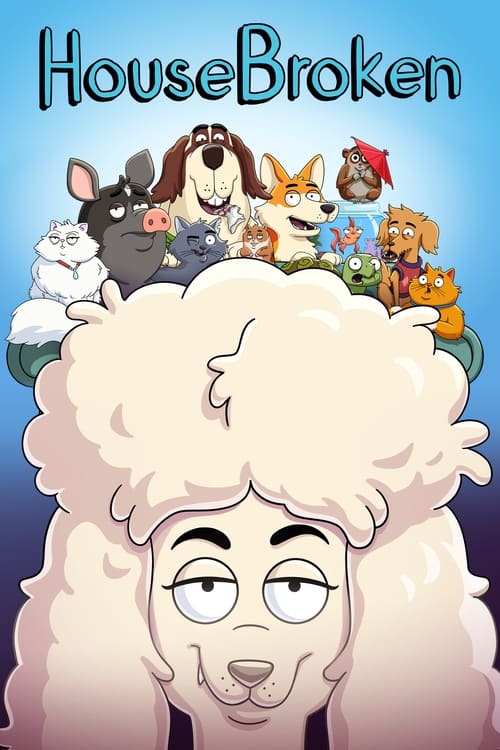
In the pilot episode of "HouseBroken," we are introduced to a group of neighborhood pets who gather for a therapy session led by a golden retriever named Honey. Honey is enthusiastic and optimistic, eager to help her fellow pets with their emotional issues. The session takes place in a cozy living room, where various animals, including a cynical cat named Tabitha, a neurotic pug named Chief, and a wise old tortoise named Shel, share their problems. Honey's upbeat demeanor contrasts sharply with the more jaded perspectives of the other pets, setting the tone for their interactions.
As the session progresses, Honey encourages each pet to open up about their feelings. Tabitha expresses her disdain for humans and their lack of understanding, while Chief reveals his anxiety about being left alone. Shel offers sage advice, but his slow, deliberate speech often frustrates the others. The dynamics among the pets are established, showcasing their unique personalities and the challenges they face in their lives with their human owners.
After the therapy session, Honey decides to take it upon herself to help Chief overcome his fear of being alone. She devises a plan to keep him company, which involves enlisting the help of the other pets. They agree to take turns visiting Chief to ensure he feels supported. This decision highlights Honey's nurturing nature and her desire to foster a sense of community among the pets.
Meanwhile, Tabitha becomes increasingly skeptical of Honey's methods, believing that the pets should learn to fend for themselves rather than rely on each other. This conflict between Honey's optimistic approach and Tabitha's cynical worldview creates tension within the group. As Honey continues to rally the pets to support Chief, Tabitha's resistance grows, leading to a confrontation where she challenges Honey's leadership.
In a pivotal moment, Honey's plan to help Chief backfires when the pets' visits become overwhelming for him. Instead of feeling comforted, Chief becomes more anxious, leading to a chaotic scene where he tries to escape the attention. The other pets realize that their well-meaning efforts have inadvertently caused more harm than good. This moment serves as a turning point for Honey, who begins to question her approach to helping her friends.
As the episode progresses, Honey reflects on her actions and seeks advice from Shel, who encourages her to listen to the needs of her friends rather than impose her solutions. This advice resonates with Honey, prompting her to reconsider her role as a leader. She decides to hold another therapy session to address the fallout from their attempts to help Chief, aiming to create a space for open dialogue about their feelings.
During the follow-up session, the pets share their experiences and frustrations, leading to a deeper understanding of each other's perspectives. Honey acknowledges her misstep and emphasizes the importance of communication and consent in their relationships. This moment of vulnerability strengthens the bond among the pets, allowing them to move forward as a more cohesive group.
The episode concludes with a sense of resolution as the pets agree to support each other in a more balanced way. Honey learns that being a good leader means being attuned to the needs of her friends, while Tabitha begins to soften her stance, recognizing the value of community. The final scene shows the pets enjoying a peaceful moment together, highlighting their growth and the evolving dynamics of their friendships.








What is the ending?
In the finale of "HouseBroken," the main characters come together to confront their individual issues and the dynamics of their relationships. The episode culminates in a heartfelt resolution where they learn to accept their flaws and support one another, leading to a sense of community and understanding among them.
As the episode begins, we find Honey, the therapy dog, feeling the weight of her friends' problems. She gathers the group, which includes the quirky cast of pets: the anxious cat Tabitha, the aloof dog Max, the overly confident dog Chief, and the neurotic rabbit, who all have their own struggles. Honey's motivation is to help her friends find peace and happiness, but she is also grappling with her own insecurities about being a good leader.
In a series of scenes, each character faces their personal challenges. Tabitha, who often feels overshadowed by the others, confronts her fears of inadequacy. She has a moment of vulnerability where she expresses her feelings of being unworthy, which resonates with the group. Max, who has always been the cool and collected one, reveals his own fears of being left behind, showcasing a softer side that surprises his friends.
Chief, who often masks his insecurities with bravado, has a breakthrough when he admits that he sometimes feels lonely despite being surrounded by friends. This moment of honesty encourages the others to open up about their own feelings, creating a safe space for vulnerability. The emotional weight of these confessions brings the group closer together, highlighting the importance of communication and support in friendships.
As the episode progresses, the characters engage in a series of humorous yet poignant activities designed to strengthen their bonds. They participate in a group therapy session led by Honey, where they share their thoughts and feelings in a light-hearted yet meaningful way. The session is filled with comedic moments, but it also serves as a turning point for the characters, allowing them to confront their issues head-on.
The climax of the episode occurs when a crisis arises that threatens their newfound harmony. A misunderstanding leads to a rift between the characters, and they must navigate their emotions to come back together. Honey takes the initiative to mediate, reminding everyone of the importance of their friendship and the love they share. This moment is pivotal, as it showcases her growth as a leader and her deep care for her friends.
In the final scenes, the group reconciles, and they come to a collective understanding that their differences are what make their friendship unique. They celebrate their bond with a heartfelt gathering, filled with laughter and joy. Each character reflects on their journey, acknowledging their flaws while embracing the support they have for one another.
By the end of the episode, Honey feels a sense of fulfillment, having helped her friends while also learning to accept herself. Tabitha gains confidence, Max learns to express his emotions, Chief embraces vulnerability, and the rabbit finds a sense of belonging. The episode closes with the group enjoying each other's company, solidifying their commitment to being there for one another, no matter the challenges they face.
In summary, the finale of "HouseBroken" emphasizes themes of friendship, vulnerability, and the importance of communication, leaving the characters in a place of growth and unity as they move forward together.
Is there a post-credit scene?
In the first season of "HouseBroken," there is indeed a post-credit scene that adds a humorous twist to the episode. After the main storyline concludes, the scene shifts to the character of Chief, the dog, who is seen in a comical situation. He is attempting to impress a group of neighborhood pets with his supposed wisdom and experience.
As Chief shares a ridiculous story about his past adventures, the other pets listen with a mix of skepticism and amusement. The scene captures Chief's earnestness and desire to be seen as a leader among the group, despite the absurdity of his tale. The humor is heightened by the reactions of the other animals, who exchange glances and roll their eyes, clearly not buying into Chief's exaggerated claims.
This post-credit moment serves to reinforce the show's themes of friendship and the often comical dynamics within the pet community, leaving viewers with a light-hearted and entertaining conclusion to the episode.
What is the main conflict that Honey faces in Season 1?
In Season 1 of HouseBroken, Honey, a therapy dog, grapples with her own insecurities and the emotional baggage of her fellow animal friends. Her primary conflict revolves around her desire to help others while dealing with her own issues of self-worth and the fear of not being enough for her friends.
How does the character of Chief contribute to the dynamics of the group?
Chief, the wise and somewhat cynical dog, serves as a grounding force within the group. His tough-love approach often contrasts with Honey's more nurturing demeanor, leading to moments of tension but also growth. Chief's backstory reveals his struggles with abandonment, which adds depth to his character and influences his interactions with the other pets.
What role does the character of Elsa play in Honey's journey?
Elsa, the cat, represents a foil to Honey's character. While Honey is eager to please and help others, Elsa is more self-centered and skeptical. Their interactions often challenge Honey's perspective, pushing her to confront her own motivations and the importance of self-acceptance.
How does the group of pets react to the arrival of a new character, the puppy?
The arrival of the puppy introduces a mix of excitement and jealousy among the established pets. Honey feels a sense of competition, fearing that she might lose her place as the leader and caretaker of the group. This dynamic leads to humorous yet poignant moments as the pets navigate their feelings of insecurity and the need for belonging.
What specific event triggers Honey's emotional breakdown in Season 1?
Honey's emotional breakdown is triggered during a group therapy session when she realizes that her friends are struggling with their own issues and may not see her as the perfect helper she aspires to be. This moment of vulnerability exposes her fears of inadequacy and the pressure she places on herself to be the 'perfect' therapy dog.
Is this family friendly?
"HouseBroken" is an animated series that features anthropomorphic pets discussing their lives and experiences. While it is designed to be humorous and entertaining, there are elements that may not be suitable for all children or sensitive viewers.
-
Mature Themes: The show often touches on themes of mental health, addiction, and personal struggles, which may be complex for younger audiences to understand.
-
Innuendos and Adult Humor: There are instances of innuendos and jokes that are aimed at an adult audience, which may not be appropriate for children.
-
Emotional Turmoil: Characters experience emotional distress, such as anxiety and depression, which could be upsetting for sensitive viewers.
-
Conflict and Disagreements: The pets often engage in arguments and conflicts that may be intense or uncomfortable, reflecting real-life issues in a comedic light.
-
Visual Gags: Some visual humor may involve slapstick or exaggerated scenarios that could be alarming to younger viewers.
Overall, while "HouseBroken" has comedic elements, its themes and humor may not be suitable for all children or those who are sensitive to certain topics. Viewer discretion is advised.







