









Popular
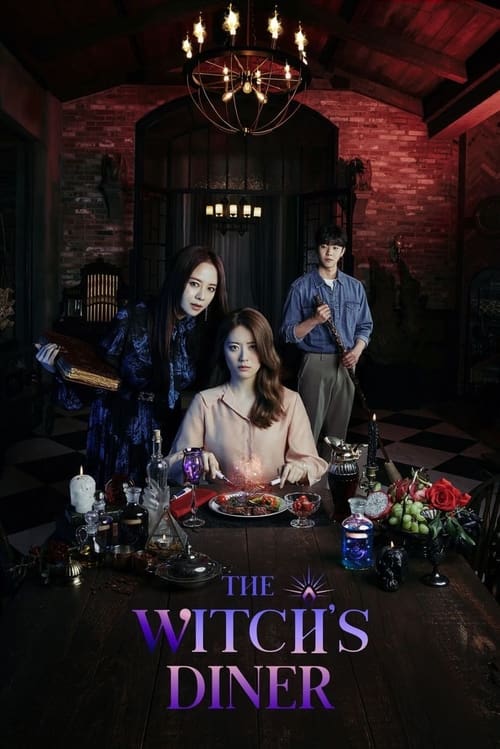
What is the significance of the witch's special dishes in The Witch's Diner?
How does the character of the witch evolve throughout the season?
What role does the diner play in the characters' lives?
Who are the main customers of The Witch's Diner and what are their individual stories?
What is the relationship between the witch and her assistant?
Should I watch it?
Ask Your Own Question

What is the plot?
In the first episode of "The Witch's Diner," we are introduced to the main character, a young woman named Ji-soo, who is struggling with her life and career. She works at a mundane job and feels unfulfilled. One night, while wandering the streets, she stumbles upon a mysterious diner that seems to appear out of nowhere. The diner is run by a witch named Hee-ra, who has the ability to grant wishes through her cooking. Ji-soo is initially skeptical but is drawn in by the enchanting atmosphere and the delicious aroma of the food.
As Ji-soo enters the diner, she meets Hee-ra, who is charismatic and enigmatic. Hee-ra offers Ji-soo a meal that promises to change her life. Ji-soo, desperate for a change, accepts the offer. After eating the meal, she experiences a sudden surge of confidence and clarity about her life. However, she soon realizes that every wish granted comes with a price, and the consequences of her wish begin to unfold.
In the following scenes, Ji-soo's life starts to improve dramatically. She receives a promotion at work and gains the attention of her boss, who had previously overlooked her. However, as her life becomes more successful, she begins to notice strange occurrences around her. People close to her start to experience misfortunes, and she feels a growing sense of guilt for the unintended consequences of her wish.
Meanwhile, Hee-ra's character is further developed as we learn about her own past and the reasons she runs the diner. She has a complex relationship with her own powers and the burdens they carry. The diner serves as a refuge for those seeking change, but it also reveals the darker side of wish fulfillment.
As Ji-soo grapples with the fallout from her wish, she confronts Hee-ra about the consequences. Hee-ra explains that every wish has a balance, and Ji-soo must decide whether to accept the cost or find a way to reverse her wish. This leads to a pivotal moment where Ji-soo must confront her own desires and the impact they have on those around her.
In a climactic sequence, Ji-soo decides to return to the diner to seek a way to undo her wish. She faces a series of challenges and tests set by Hee-ra, which force her to confront her true motivations and the nature of her desires. The tension builds as Ji-soo navigates through her internal struggles and the external consequences of her actions.
Ultimately, Ji-soo learns that the path to true fulfillment lies not in wishing for change but in embracing her own strengths and making choices that align with her values. The episode concludes with Ji-soo making a significant decision that alters her relationship with Hee-ra and the diner, setting the stage for future episodes where the themes of desire, consequence, and personal growth continue to unfold.









What is the ending?
In the ending of "The Witch's Diner," the main characters face the consequences of their choices, leading to a resolution that intertwines their fates with the diner itself. The witch, who has been a guiding force, reveals deeper truths about her powers and the sacrifices involved. The diner remains a place of magic and mystery, but the characters must confront their desires and the impact of their decisions.
As the final scenes unfold, the atmosphere is charged with tension and emotion. The witch, who has been both a mentor and a manipulator, stands at the center of the diner, her presence commanding yet enigmatic. The protagonist, who has grown throughout the season, grapples with the weight of her choices. The diner, a character in its own right, reflects the emotional turmoil of those within it, with flickering lights and the scent of simmering potions filling the air.
In the climax, the protagonist makes a pivotal decision that alters her relationship with the witch and the diner. This choice is not made lightly; it is a culmination of her journey, filled with moments of doubt, hope, and self-discovery. The witch, recognizing the protagonist's growth, offers her a final chance to embrace her own power, but it comes with a cost.
As the story concludes, the characters find themselves at a crossroads. The protagonist chooses to step away from the witch's influence, seeking her own path. The witch, though initially taken aback, acknowledges this choice with a bittersweet smile, understanding that true growth often means letting go. The diner, now a symbol of both magic and the consequences of desire, stands as a testament to their intertwined fates.
The final scene lingers on the diner, its doors swinging open to welcome new patrons, hinting at the ongoing cycle of wishes and consequences. The characters, having faced their inner demons, step into the world outside, forever changed by their experiences within the witch's realm.
In summary, the ending encapsulates the themes of choice, growth, and the complexities of desire, leaving the audience with a sense of closure while also inviting contemplation about the nature of magic and the human experience.
Is there a post-credit scene?
In "The Witch's Diner," Season 1, there is indeed a post-credit scene that adds an intriguing layer to the narrative. After the final episode concludes, the screen fades to black, and then a new scene emerges, set in the dimly lit interior of the diner.
The camera pans slowly across the empty tables, the remnants of the day's meals still visible, creating a sense of lingering magic in the air. The atmosphere is thick with anticipation, as the soft glow of the neon sign outside flickers intermittently.
Suddenly, the door swings open, and a mysterious figure enters. Clad in a long, dark coat, the figure's face is obscured by a wide-brimmed hat. As they step inside, the bell above the door jingles, breaking the silence. The figure pauses, taking in the surroundings with an air of familiarity, hinting at a deeper connection to the diner and its secrets.
The camera zooms in on a small, ornate box that the figure carries. They place it on the counter, and with a deliberate motion, open it to reveal a collection of shimmering, ethereal ingredients--each one pulsating with a soft glow. The scene is charged with a sense of foreboding and possibility, suggesting that new challenges and adventures await the characters in the diner.
As the figure begins to mix the ingredients, a faint whisper fills the air, hinting at an ancient spell or a new recipe that could change everything. The screen fades to black once more, leaving viewers with a sense of wonder and curiosity about what lies ahead in the next season. This post-credit scene effectively teases the potential for deeper magical elements and character developments, ensuring that the audience is left eagerly anticipating the future of "The Witch's Diner."
What is the significance of the witch's special dishes in The Witch's Diner?
In The Witch's Diner, the witch, who is the owner and chef, prepares special dishes that have magical properties. Each dish is tailored to the specific needs or desires of the customers, often reflecting their innermost wishes or unresolved issues. For instance, one dish might help a character confront their past, while another could grant them a moment of happiness. The food serves as a catalyst for character development and emotional growth, revealing deeper layers of their personalities and struggles.
How does the character of the witch evolve throughout the season?
The witch, who runs the diner, begins as a mysterious and somewhat aloof figure, shrouded in secrets about her past and the source of her powers. As the season progresses, her interactions with the customers reveal her vulnerabilities and the burdens she carries. She grapples with her own loneliness and the consequences of her magic, leading to moments of introspection and growth. By the end of the season, she becomes more open and connected to those around her, showcasing her journey from isolation to community.
What role does the diner play in the characters' lives?
The diner serves as a sanctuary for the characters, a place where they can escape their everyday struggles and confront their personal demons. Each visit to the diner is transformative, as the characters not only enjoy the magical dishes but also engage in meaningful conversations that lead to self-discovery. The diner becomes a symbol of hope and healing, where the characters find solace and support in one another, ultimately shaping their paths toward resolution.
Who are the main customers of The Witch's Diner and what are their individual stories?
The main customers of The Witch's Diner include a diverse group of individuals, each with their own unique backstories and challenges. For example, one customer may be a heartbroken individual seeking closure from a past relationship, while another might be a struggling artist looking for inspiration. Each character's story is intricately woven into the fabric of the diner, as their interactions with the witch and the magical dishes help them confront their issues and evolve throughout the season.
What is the relationship between the witch and her assistant?
The relationship between the witch and her assistant is complex and layered. Initially, the assistant appears to be a loyal helper, but as the season unfolds, their dynamic reveals deeper emotional ties. The assistant often acts as a bridge between the witch and the customers, providing insight and support. However, there are moments of tension as the assistant grapples with their own feelings of inadequacy and the weight of the witch's expectations. This relationship evolves, showcasing themes of trust, friendship, and the struggle for personal identity.
Is this family friendly?
"The Witch's Diner" is a fantasy drama that contains themes and elements that may not be suitable for all children or sensitive viewers. Here are some potentially objectionable or upsetting aspects:
-
Supernatural Elements: The show features witches and magical occurrences, which may be frightening for younger viewers or those sensitive to themes of the occult.
-
Dark Themes: There are moments that explore loss, regret, and the consequences of one's choices, which can evoke strong emotions and may be heavy for some audiences.
-
Mature Situations: The series includes scenes that touch on adult relationships and emotional struggles, which might not be appropriate for younger viewers.
-
Visual Imagery: Some scenes may include unsettling visuals related to magic and transformation, which could be disturbing to sensitive individuals.
-
Emotional Turmoil: Characters experience significant emotional pain and conflict, which may resonate deeply and could be upsetting for some viewers.
Overall, while the show has a whimsical and magical premise, it also delves into deeper emotional and darker themes that may not be suitable for all audiences. Viewer discretion is advised.