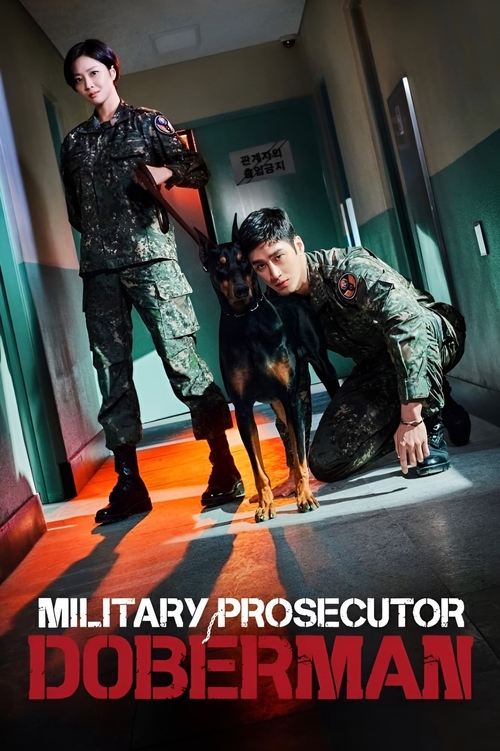












Popular
What motivates the main character, Do Bae-man, to become a military prosecutor?
How does the relationship between Do Bae-man and Cha Woo-in evolve throughout the series?
What role does the character of Colonel Han play in the story?
What are the key cases that Do Bae-man and Cha Woo-in tackle in the series?
How does the series portray the theme of loyalty among military personnel?
Should I watch it?
Ask Your Own Question

What is the plot?
The series opens with a dramatic scene showcasing the harsh realities of military life. The protagonist, Do Bae-man, is introduced as a military prosecutor who is disillusioned with the system. He is seen in a courtroom, where he is determined to seek justice for the wronged, but his methods are often unorthodox. His internal conflict is palpable as he grapples with the bureaucracy and corruption within the military justice system.
In the next sequence, we are introduced to his partner, Cha Woo-in, a rookie military prosecutor with a strong sense of justice. She is eager to prove herself and is motivated by a personal vendetta against those who abuse their power. Their first case together involves a high-ranking officer accused of sexual assault. The tension between Bae-man's cynical approach and Woo-in's idealism is established as they prepare to investigate the case.
As they delve deeper into the investigation, they uncover a web of deceit and cover-ups. They interview witnesses, and the emotional weight of the victims' stories begins to affect Woo-in deeply. She becomes more determined to expose the truth, while Bae-man remains cautious, aware of the potential repercussions of their actions. This dynamic sets the stage for their evolving partnership.
The plot thickens when they discover that the accused officer has powerful allies within the military. A confrontation occurs when Bae-man and Woo-in confront a key witness who is reluctant to speak out due to fear of retaliation. The tension escalates, and they must navigate the threats posed by the military hierarchy. This moment highlights the risks they face in their pursuit of justice.
In a pivotal scene, Bae-man receives a warning from a superior to drop the case, emphasizing the pressure from higher-ups to protect the accused. This moment tests Bae-man's resolve, and he must decide whether to comply or continue fighting for justice. He chooses to stand firm, motivated by his own past experiences with injustice.
As the investigation progresses, Woo-in's personal connection to the case is revealed. She has a history with the accused officer, which complicates her emotions and motivations. This revelation adds depth to her character and raises the stakes for her involvement in the case. Bae-man supports her, but he also worries about her emotional well-being.
The courtroom scenes become increasingly intense as they prepare for the trial. They gather evidence and testimonies, but the defense employs aggressive tactics to discredit the victims. Bae-man and Woo-in face numerous challenges, including attempts to intimidate them and undermine their credibility. The emotional toll of the trial weighs heavily on both characters, leading to moments of doubt and frustration.
In a climactic courtroom showdown, Bae-man delivers a powerful closing argument that resonates with the jury. He passionately defends the victims and exposes the systemic issues within the military justice system. The tension in the courtroom is palpable as the jury deliberates, and the outcome remains uncertain.
The verdict is finally revealed, and it sends shockwaves through the military community. The accused officer is found guilty, but the victory is bittersweet. Bae-man and Woo-in reflect on the personal sacrifices they made during the case, and the emotional scars left behind. Their bond strengthens as they navigate the aftermath of the trial, and they begin to understand the importance of their roles as military prosecutors.
In the final scenes, Bae-man and Woo-in are faced with new challenges as they prepare for their next case. The series ends on a note of uncertainty, with both characters contemplating their futures in a flawed system. Their commitment to seeking justice remains unwavering, setting the stage for potential future conflicts and developments in their careers.









What is the ending?
In the ending of "Military Prosecutor Doberman," the main characters face the consequences of their actions and the truth behind the military's corruption is revealed. The series concludes with a sense of resolution for some characters while leaving others with unresolved fates.
As the final episodes unfold, the tension escalates. The protagonist, Do Bae-man, confronts the corrupt military officials who have manipulated the system for their gain. He is determined to expose the truth, driven by a deep sense of justice and personal loss. His partner, Cha Woo-in, supports him, showcasing her own growth and commitment to the cause. Together, they gather evidence and rally support from fellow soldiers and civilians who have suffered under the military's oppressive regime.
In a climactic courtroom scene, Bae-man presents the evidence against the high-ranking officials, revealing their involvement in various crimes, including cover-ups and abuse of power. The atmosphere is charged with emotion as witnesses come forward, sharing their harrowing experiences. The tension peaks as the military's facade begins to crumble, and the truth is laid bare.
As the verdict is delivered, the audience witnesses the fallout. Some officials are held accountable, while others manage to evade justice, highlighting the complexities of the military justice system. Bae-man and Woo-in share a moment of triumph, but it is bittersweet, as they reflect on the sacrifices made and the lives affected by the corruption they fought against.
In the final scenes, Bae-man contemplates his future, realizing that while he has achieved a significant victory, the fight for justice is ongoing. Woo-in stands by his side, symbolizing their partnership and shared commitment to continue advocating for those who cannot fight for themselves. The series ends on a note of hope, suggesting that change is possible, but it requires relentless effort and courage.
Expanded Narrative:
The final episodes of "Military Prosecutor Doberman" begin with a palpable sense of urgency. Do Bae-man, portrayed with a fierce determination, is seen in his office, surrounded by files and evidence that he has meticulously gathered. His brow furrows as he reviews the testimonies of soldiers who have suffered under the corrupt military system. The camera captures the intensity in his eyes, reflecting his internal struggle between the weight of the truth and the fear of the repercussions.
Cha Woo-in, his partner, enters the scene, her expression a mix of concern and resolve. She places a reassuring hand on his shoulder, reminding him of their shared mission. The bond between them has deepened throughout the series, and this moment encapsulates their commitment to each other and the cause. They strategize, discussing the next steps to ensure that the evidence they have collected will be enough to bring the corrupt officials to justice.
As they prepare for the courtroom battle, the atmosphere shifts. The courtroom is filled with tension as Bae-man and Woo-in enter, flanked by supporters who have come to witness the proceedings. The judge presides over the case, and the opposing counsel, representing the military officials, exudes confidence, ready to dismiss the evidence as fabricated. The stakes are high, and the weight of the moment hangs heavy in the air.
Bae-man takes the stand, his voice steady yet filled with emotion as he recounts the stories of those who have suffered. The camera zooms in on his face, capturing the passion and anger that fuels his words. He presents the evidence, each piece meticulously laid out, revealing the web of corruption that has plagued the military. The audience is drawn into the gravity of the situation, feeling the tension rise with each revelation.
Witnesses come forward, their voices trembling as they share their experiences. The emotional weight of their testimonies resonates throughout the courtroom, and the audience can feel the collective pain and anger. Bae-man's resolve strengthens as he sees the impact of their stories, knowing that they are not just fighting for justice for themselves but for all those who have been silenced.
As the trial reaches its climax, the verdict is finally announced. The courtroom holds its breath as the judge delivers the decision. Some officials are found guilty, their faces a mix of shock and anger, while others manage to escape accountability, their smug expressions a stark reminder of the flaws in the system. Bae-man's heart sinks at the sight of those who will not face justice, but he quickly regains his composure, knowing that this battle is just one of many.
In the aftermath, Bae-man and Woo-in stand outside the courthouse, the weight of the verdict settling in. They share a moment of quiet reflection, acknowledging the victories and losses. Bae-man expresses his determination to continue fighting for justice, while Woo-in reassures him that they will face whatever comes next together. Their partnership, forged through adversity, is a testament to their shared commitment to change.
The series concludes with a sense of hope, as Bae-man and Woo-in walk away from the courthouse, ready to take on the next challenge. The camera pans out, capturing the bustling city around them, symbolizing the ongoing struggle for justice in a world fraught with corruption. The final shot lingers on their determined faces, leaving the audience with a sense of possibility and the understanding that the fight for justice is far from over.
Is there a post-credit scene?
In "Military Prosecutor Doberman," there is no post-credit scene following the episodes of the limited series. The show concludes its narrative arcs within the episodes themselves, focusing on the intense legal battles and personal struggles of the main characters, Do Bae-man and Cha Woo-in. The series wraps up with a sense of resolution, leaving viewers with the emotional weight of the characters' journeys without additional scenes after the credits.
What motivates the main character, Do Bae-man, to become a military prosecutor?
Do Bae-man is driven by a desire for justice and a personal vendetta against the military system that he believes is corrupt. His past experiences, including the loss of his parents and the injustices he witnessed, fuel his determination to fight for the truth and protect the vulnerable.
How does the relationship between Do Bae-man and Cha Woo-in evolve throughout the series?
Initially, Do Bae-man and Cha Woo-in have a professional relationship marked by tension and differing motivations. As they work together on cases, their bond deepens, revealing mutual respect and understanding. They begin to share personal struggles, leading to a romantic tension that complicates their partnership.
What role does the character of Colonel Han play in the story?
Colonel Han serves as a significant antagonist in the series, representing the military's corrupt practices. His manipulative tactics and willingness to sacrifice others for his gain create obstacles for Do Bae-man and Cha Woo-in, highlighting the moral dilemmas faced by the protagonists.
What are the key cases that Do Bae-man and Cha Woo-in tackle in the series?
Throughout the series, Do Bae-man and Cha Woo-in tackle several high-stakes cases, including a murder involving a soldier, corruption within the military ranks, and a cover-up of war crimes. Each case reveals deeper layers of the military's systemic issues and tests their resolve and ethics.
How does the series portray the theme of loyalty among military personnel?
The series explores loyalty through various character interactions, particularly how soldiers navigate their allegiance to their comrades versus their duty to uphold justice. Characters face dilemmas that challenge their loyalty, leading to conflicts that impact their relationships and the outcomes of the cases they handle.
Is this family friendly?
"Military Prosecutor Doberman" contains several elements that may not be suitable for children or sensitive viewers. Here are some potentially objectionable aspects:
-
Violence and Combat: The show features military settings, which include scenes of violence, combat, and the aftermath of war. This may be distressing for younger viewers.
-
Legal and Ethical Dilemmas: The narrative explores complex legal issues, including corruption and moral ambiguity within the military justice system, which may be difficult for children to understand.
-
Emotional Trauma: Characters deal with significant emotional trauma, including loss, betrayal, and the psychological effects of military service, which could be upsetting.
-
Mature Themes: The series touches on themes of loyalty, justice, and revenge, often presenting morally gray situations that may not be appropriate for younger audiences.
-
Language and Dialogue: There may be instances of strong language or intense dialogue that could be considered inappropriate for children.
These elements contribute to a more mature viewing experience, making it less family-friendly.