
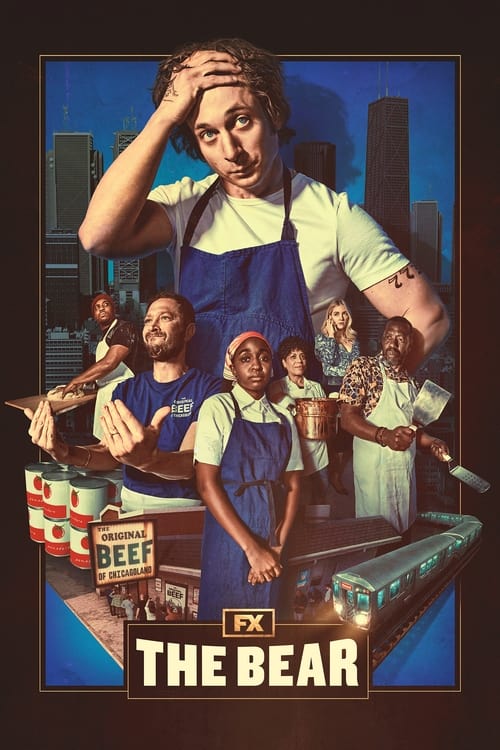










Popular
What challenges does Carmy face when he takes over the family restaurant?
How does Sydney's character develop throughout the season?
What is the significance of the family dynamics portrayed in the show?
How does the show depict the high-pressure environment of a kitchen?
What role does Richie play in the story, and how does he affect Carmy's journey?
Should I watch it?
Ask Your Own Question

What is the plot?
Carmen "Carmy" Berzatto, a talented chef, returns to Chicago after the death of his brother Michael, who owned a struggling sandwich shop called The Original Beef of Chicagoland. Carmy is overwhelmed with grief and guilt, feeling the weight of his brother's legacy and the burden of the family business. He arrives at the restaurant to find it in disarray, with a chaotic kitchen staff and a lack of organization. The atmosphere is tense, and Carmy quickly realizes that he must take charge to turn things around.
Carmy meets the staff, including Sydney Adamu, a young chef eager to prove herself, and Richie, his brother's best friend, who is resistant to change. Carmy tries to implement new systems and improve the quality of the food, but he faces pushback from the staff, who are set in their ways. Tensions rise as Carmy struggles to gain their respect and trust. He also deals with his own emotional turmoil, haunted by memories of his brother and the pressure to succeed.
As Carmy begins to make changes, he discovers that the restaurant's financial situation is dire. He learns about the mounting debts and the need for immediate action to keep the business afloat. Carmy decides to revamp the menu, introducing new dishes while still honoring the original offerings. He collaborates with Sydney, who brings fresh ideas and enthusiasm, and they work late into the night to perfect the new recipes.
The staff's resistance continues, particularly from Richie, who feels threatened by Carmy's authority. A pivotal moment occurs when Carmy confronts Richie about his attitude, leading to a heated argument. Carmy expresses his frustration over the lack of teamwork and the need for everyone to pull together. This confrontation serves as a turning point, as Richie begins to see Carmy's dedication and passion for the restaurant.
As the days go by, Carmy and Sydney's partnership strengthens, and they start to gain the support of the other staff members. They hold a family meal to foster camaraderie, where everyone shares their personal stories and struggles. This moment helps to break down barriers and build a sense of unity among the team. However, Carmy still grapples with his grief and the pressure of living up to his brother's legacy.
Carmy faces a major setback when a health inspector visits the restaurant, leading to a series of violations that threaten their ability to operate. The staff rallies together to address the issues, working tirelessly to clean and organize the kitchen. This experience brings them closer, and they begin to function more like a cohesive unit. Carmy feels a renewed sense of hope as he sees the team coming together.
In a critical moment, Carmy decides to host a pop-up event to showcase their new menu and attract customers. The team works around the clock to prepare, and the night of the event is filled with excitement and anxiety. As the orders come in, the kitchen becomes chaotic, but Carmy and Sydney manage to keep things running smoothly. The event is a success, drawing in a crowd and receiving positive feedback.
Despite the success of the pop-up, Carmy continues to struggle with his emotions. He has flashbacks of his brother, which intensify during moments of stress. He seeks solace in cooking, using it as an outlet for his grief. Meanwhile, the restaurant's financial issues remain unresolved, and Carmy realizes that they need to find a way to stabilize the business long-term.
As the season progresses, Carmy faces personal challenges, including a confrontation with his family about his decision to take over the restaurant. They express their concerns about his mental health and the toll the business is taking on him. Carmy feels torn between his responsibilities and his desire to honor his brother's memory.
In the final episodes, Carmy makes a bold decision to take a risk by investing in the restaurant's future. He seeks out investors and begins to plan for a complete overhaul of The Original Beef. The staff is initially apprehensive about the changes, but Carmy's vision inspires them to embrace the future. The season ends on a hopeful note, with Carmy and his team ready to face the challenges ahead, united in their commitment to the restaurant and each other.









What is the ending?
In the ending of "The Bear," season 1, Carmy decides to take a leap of faith by transforming the family sandwich shop into a fine dining restaurant. He faces challenges with his staff, particularly with Sydney and Richie, but ultimately they come together to support his vision. The season concludes with a sense of hope and determination as they prepare for the restaurant's opening.
As the final episode unfolds, the tension in the kitchen is palpable. Carmy, having faced numerous challenges throughout the season, stands at the center of the chaos, his brow furrowed with determination. The camera captures the frenetic energy of the kitchen, pots clanging, orders being shouted, and the staff moving in a synchronized dance of culinary urgency.
Carmy gathers his team, including Sydney, who has proven herself as a talented sous chef, and Richie, who has struggled with his role but is fiercely loyal to Carmy and the family legacy. The atmosphere is charged with a mix of anxiety and excitement as they prepare for the grand opening of the new restaurant, which is a significant departure from the old sandwich shop.
In a pivotal moment, Carmy shares his vision with the team, emphasizing the importance of their collective effort and the need to embrace change. Sydney, initially hesitant, finds her confidence as she contributes ideas, and the camaraderie among the staff begins to solidify. The camera lingers on their faces, capturing the flicker of hope and determination in their eyes.
As the opening night approaches, the kitchen is a whirlwind of activity. The team works tirelessly, each member pushing through their personal struggles and insecurities. Richie, who has been grappling with his identity and purpose, steps up to support Carmy, showcasing his growth and commitment to the team. The emotional stakes are high, and the audience can feel the weight of their shared history and the legacy of the family business.
On the night of the opening, the restaurant is filled with patrons, and the atmosphere is electric. The camera pans across the dining room, capturing the anticipation on the faces of the guests. In the kitchen, the team is in sync, executing dishes with precision and passion. Carmy, standing at the pass, watches as the food leaves the kitchen, a mixture of pride and anxiety washing over him.
As the night progresses, there are moments of tension--orders are delayed, and mistakes happen--but the team rallies together, supporting one another through the chaos. Sydney shines as she takes charge, demonstrating her leadership skills and earning the respect of her colleagues. Richie, too, finds his place, stepping into a role that allows him to contribute meaningfully to the success of the restaurant.
The episode culminates in a moment of triumph as the last order is served, and the team shares a collective sigh of relief. Carmy, overwhelmed with emotion, looks around at his team--each member has played a crucial role in this transformation. The camera captures their faces, reflecting a mix of exhaustion and exhilaration, a testament to their hard work and dedication.
In the final moments, as the restaurant begins to wind down, Carmy steps outside for a breath of fresh air. He gazes at the bustling street, a sense of hope filling him as he contemplates the future. The season closes with a feeling of possibility, leaving viewers with the impression that while challenges lie ahead, the team is ready to face them together.
Carmy, Sydney, and Richie emerge from the experience changed, each having found a renewed sense of purpose and belonging. The fate of the main characters is intertwined with the success of the restaurant, symbolizing their growth and the strength of their bonds as they embark on this new chapter together.
Is there a post-credit scene?
In "The Bear," season 1, there is no post-credit scene. The series concludes its episodes without any additional scenes after the credits roll. The focus remains on the narrative and character development throughout the episodes, emphasizing the struggles and dynamics within the kitchen and the personal lives of the characters. Each episode wraps up its storylines without extending into a post-credit moment.
What challenges does Carmy face when he takes over the family restaurant?
Carmy faces numerous challenges when he takes over the family restaurant, The Original Beef of Chicagoland. He struggles with the chaotic environment, the lack of organization, and the emotional weight of his brother's suicide, which looms over the establishment. He also encounters resistance from the staff, particularly from Sydney, who is initially skeptical of his leadership and methods. The pressure to maintain the restaurant's legacy while trying to implement his own vision creates a constant internal conflict for Carmy.
How does Sydney's character develop throughout the season?
Sydney's character develops significantly throughout the season. Initially introduced as a talented chef with aspirations, she feels frustrated by the disarray at The Original Beef. As she works alongside Carmy, her passion for cooking and desire for a structured kitchen environment become evident. She grapples with her insecurities and the need for validation, especially in her relationship with Carmy. By the end of the season, she finds her voice and confidence, becoming an integral part of the team and embracing her role in the kitchen.
What is the significance of the family dynamics portrayed in the show?
The family dynamics in 'The Bear' are central to the narrative, particularly the relationship between Carmy and his late brother, Michael. The restaurant serves as a symbol of their family's legacy, and Carmy's struggle to honor that legacy while forging his own path is a recurring theme. The tension between Carmy and his cousin Richie also highlights the complexities of familial loyalty and expectations. These dynamics are further complicated by the emotional baggage each character carries, particularly regarding grief and responsibility.
How does the show depict the high-pressure environment of a kitchen?
The show vividly depicts the high-pressure environment of a kitchen through fast-paced scenes filled with intense dialogue, frantic movements, and the constant clatter of pots and pans. The chaos of service, the urgency of orders, and the emotional outbursts among staff members create a palpable sense of tension. Characters like Carmy and Sydney are shown managing stress and conflict, revealing their vulnerabilities and the toll that the kitchen's demands take on their mental health. This portrayal emphasizes the relentless nature of the culinary world.
What role does Richie play in the story, and how does he affect Carmy's journey?
Richie plays a complex role in the story as Carmy's cousin and a long-time employee of the restaurant. Initially, he embodies the old-school mentality of the family business, often clashing with Carmy's modern approach. Richie's loyalty to the restaurant and his family is evident, but he also struggles with feelings of inadequacy and resentment towards Carmy's leadership. His interactions with Carmy are fraught with tension, as Richie grapples with his own identity and place within the family dynamic, ultimately influencing Carmy's journey of self-discovery and acceptance.
Is this family friendly?
"The Bear" is a show that, while centered around the culinary world and family dynamics, contains several elements that may not be suitable for children or sensitive viewers. Here are some potentially objectionable or upsetting aspects:
-
Strong Language: The dialogue includes frequent use of profanity, which may not be appropriate for younger audiences.
-
Intense Workplace Environment: The show portrays a high-pressure kitchen setting, which can include shouting, stress, and conflict among staff, potentially depicting a chaotic and aggressive atmosphere.
-
Emotional Turmoil: Characters experience significant emotional struggles, including grief, anxiety, and interpersonal conflicts, which may be distressing for some viewers.
-
Substance Use: There are references to alcohol and drug use, which could be concerning for younger viewers or those sensitive to such themes.
-
Family Dynamics: The show explores complex family relationships, including themes of loss and unresolved issues, which may resonate deeply and evoke strong emotions.
-
Violence: While not graphic, there are moments of physical altercations and tension that could be unsettling.
These elements contribute to a mature tone that may not be suitable for all audiences, particularly children.








