





Popular
What internal conflicts does Abraham Lincoln face regarding slavery throughout the miniseries?
How does Frederick Douglass influence Lincoln's views on emancipation?
What role does Mary Todd Lincoln play in her husband's decision-making process?
How does the miniseries depict the relationship between Lincoln and his cabinet members regarding the issue of slavery?
What are the key moments that lead to the drafting of the Emancipation Proclamation in the series?
Should I watch it?
Ask Your Own Question

What is the plot?
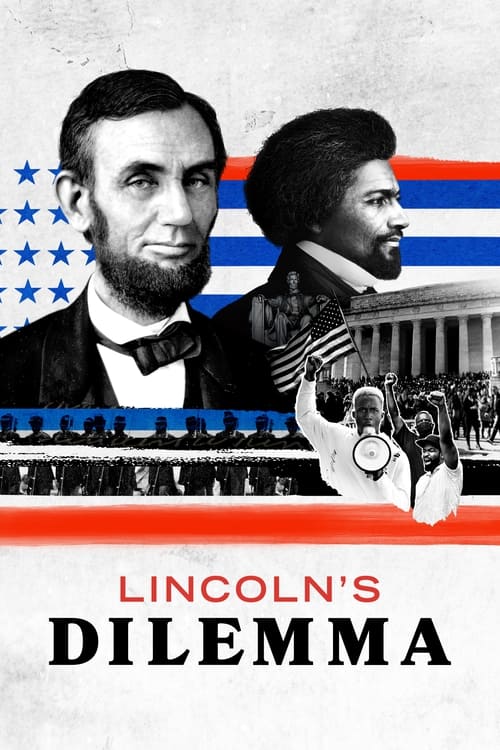
"Lincoln's Dilemma" begins with a prologue that sets the stage for the moral and political complexities surrounding President Abraham Lincoln's decisions during the Civil War. The narrative unfolds through a series of flashbacks and present-day reflections, primarily focusing on Lincoln's internal struggles regarding slavery and the Union's preservation.
The first major sequence introduces young Abraham Lincoln in his early years, showcasing his humble beginnings in Kentucky and Indiana. The audience witnesses his formative experiences, including his interactions with enslaved individuals, which begin to shape his views on slavery. These early encounters evoke a sense of empathy in Lincoln, planting the seeds for his later political beliefs.
As the story progresses, the timeline shifts to the onset of the Civil War. Lincoln, now the President, grapples with the immense pressure of leading a divided nation. The narrative highlights his initial reluctance to address slavery directly, as he prioritizes the preservation of the Union above all else. This internal conflict is palpable, as Lincoln is portrayed as a man torn between his moral convictions and the political realities of his time.
The plot thickens with the introduction of key figures such as Frederick Douglass, who advocates for the emancipation of enslaved people. Douglass's passionate speeches and writings challenge Lincoln to reconsider his stance on slavery. Their interactions are charged with tension, as Douglass pushes Lincoln to take a more definitive stand, while Lincoln remains cautious, fearing the potential backlash from border states and conservative factions.
A pivotal moment occurs when Lincoln decides to issue the Emancipation Proclamation. The narrative details the intense deliberation leading up to this decision, showcasing Lincoln's fears of alienating supporters and the potential consequences of such a bold move. The scene is filled with emotional weight as Lincoln reflects on the lives of enslaved individuals and the moral imperative to act. The proclamation is ultimately framed as a strategic wartime measure, but it also represents a significant shift in Lincoln's personal beliefs.
Following the proclamation, the story delves into the reactions from various factions. Abolitionists celebrate the decision, while some military leaders express skepticism about its effectiveness. The narrative captures the mixed emotions of hope and uncertainty that permeate the nation. Lincoln's resolve is tested as he faces criticism from both sides, yet he remains steadfast in his commitment to the cause of freedom.
As the war continues, the series highlights key battles and their impact on public sentiment. The Battle of Antietam serves as a crucial turning point, providing Lincoln with the political leverage he needs to announce the Emancipation Proclamation. The aftermath of the battle is depicted with harrowing visuals of the devastation, underscoring the human cost of the conflict.
The story also explores Lincoln's relationships with his cabinet members, particularly Secretary of State William Seward and General Ulysses S. Grant. Seward's pragmatic approach often clashes with Lincoln's moral compass, creating tension within the administration. Grant's military strategies and successes on the battlefield bolster Lincoln's confidence, but the weight of the war's toll on the nation looms large.
As the series progresses, Lincoln's health begins to deteriorate under the stress of leadership. The emotional strain is evident in his interactions with his family, particularly with his wife, Mary Todd Lincoln. Their relationship is portrayed as complex, filled with moments of tenderness and conflict as they navigate the personal and political challenges of the era.
The climax of the series occurs with the conclusion of the Civil War and Lincoln's vision for Reconstruction. The narrative captures his hopes for a united nation and the challenges of integrating formerly enslaved individuals into society. Lincoln's assassination looms as a tragic inevitability, and the series builds tension as it approaches this pivotal moment in history.
In the final scenes, Lincoln is depicted attending a play at Ford's Theatre, where he is ultimately assassinated by John Wilkes Booth. The emotional weight of this moment is profound, as the audience witnesses the loss of a leader who had fought tirelessly for freedom and equality. The series concludes with reflections on Lincoln's legacy, leaving viewers to grapple with the complexities of his decisions and the enduring impact of his presidency on the nation.
Related Titles
Browse All Titles →









What is the ending?
In the ending of "Lincoln's Dilemma," President Abraham Lincoln grapples with the moral complexities of emancipation and the Civil War's toll. He ultimately decides to push for the passage of the 13th Amendment, which aims to abolish slavery. The series concludes with Lincoln's assassination, leaving a profound impact on the nation and his legacy.
As the final scenes unfold, we see Lincoln in the White House, surrounded by his closest advisors and allies. The atmosphere is tense yet hopeful as they discuss the impending vote on the 13th Amendment. Lincoln's determination is palpable; he understands the weight of this decision not just for the nation but for the future of millions of enslaved people. His internal conflict is evident as he reflects on the sacrifices made during the war and the moral imperative to end slavery.
The scene shifts to the House of Representatives, where the vote takes place. The camera captures the anxious faces of lawmakers, the tension in the air thick enough to cut with a knife. Lincoln's supporters rally, urging their colleagues to recognize the historical significance of this moment. As the votes are counted, the tension builds, and when the amendment passes, a wave of relief washes over Lincoln and his supporters. They embrace, tears of joy and triumph mingling with the weight of the struggle that lies ahead.
However, the victory is bittersweet. The narrative then transitions to Lincoln attending a theater with his wife, Mary Todd Lincoln. The atmosphere is celebratory, but there is an undercurrent of foreboding. As they enjoy the performance, the audience is unaware of the tragedy that is about to unfold. The scene is filled with laughter and applause, contrasting sharply with the impending doom.
In a shocking turn, John Wilkes Booth enters the theater and approaches Lincoln. The moment is tense, and the audience's laughter fades into an eerie silence. Booth shoots Lincoln, and chaos erupts in the theater. The camera captures the horror on the faces of the audience as they realize what has happened. Lincoln is carried away, gravely wounded, and the emotional weight of the moment is heavy.
As Lincoln lies dying, the series captures his final moments, filled with reflections on his life, his presidency, and the legacy he leaves behind. His death marks a pivotal moment in American history, symbolizing both the end of a struggle and the beginning of a new chapter for the nation. The series closes with a somber acknowledgment of Lincoln's impact, leaving viewers to contemplate the complexities of his decisions and the future of the United States.
In summary, the fates of the main characters are intertwined with the historical events. Lincoln's determination leads to the passage of the 13th Amendment, but his assassination leaves a nation in mourning. Mary Todd Lincoln is left to grapple with the loss of her husband, while the nation faces the challenge of healing and moving forward without its leader. The series concludes on a poignant note, emphasizing the enduring struggle for freedom and equality.
Is there a post-credit scene?
In "Lincoln's Dilemma," season 1 titled "Miniseries," there is no post-credit scene. The series concludes its narrative without additional scenes after the credits, focusing instead on the historical context and emotional weight of Abraham Lincoln's decisions regarding slavery and the Civil War. The final moments of the series encapsulate the themes of struggle, moral conflict, and the pursuit of freedom, leaving viewers with a poignant reflection on Lincoln's legacy rather than a continuation of the story.
What internal conflicts does Abraham Lincoln face regarding slavery throughout the miniseries?
Throughout the miniseries, Abraham Lincoln grapples with his moral beliefs about slavery versus the political realities of preserving the Union. He is depicted as a man torn between his personal abhorrence of slavery and the necessity of making compromises to maintain support for the war effort. This internal struggle is highlighted in scenes where he contemplates the implications of emancipation, fearing it may alienate border states and weaken the Union's cause.
How does Frederick Douglass influence Lincoln's views on emancipation?
Frederick Douglass plays a pivotal role in shaping Lincoln's perspective on emancipation. Their interactions reveal Douglass's passionate advocacy for immediate abolition and equal rights, which challenges Lincoln's more cautious approach. In key scenes, Douglass confronts Lincoln about the urgency of emancipation, pushing him to reconsider his strategies and ultimately leading to a more radical stance on freeing enslaved people.
What role does Mary Todd Lincoln play in her husband's decision-making process?
Mary Todd Lincoln is portrayed as a significant influence on Abraham Lincoln's decisions, particularly regarding his emotional and political struggles. In intimate scenes, her support and sometimes her frustrations are evident as she urges him to take a stronger stand against slavery. Her character embodies the personal stakes of Lincoln's political choices, as she navigates her own fears for their family amidst the turmoil of war.
How does the miniseries depict the relationship between Lincoln and his cabinet members regarding the issue of slavery?
The miniseries illustrates a complex dynamic between Lincoln and his cabinet members, showcasing differing opinions on slavery and emancipation. Key figures like Secretary of State William Seward and Treasury Secretary Salmon Chase often clash with Lincoln over the timing and approach to emancipation. Tense discussions in the cabinet room reveal the political maneuvering and the weight of their decisions, highlighting Lincoln's role as a mediator trying to balance various interests.
What are the key moments that lead to the drafting of the Emancipation Proclamation in the series?
The series captures several critical moments leading to the drafting of the Emancipation Proclamation. These include Lincoln's growing realization of the necessity of emancipation as a war strategy, influenced by military setbacks and the need to bolster Union morale. Key scenes depict Lincoln's consultations with advisors, his reflections on the moral implications of slavery, and the eventual decision to issue the proclamation as a turning point in the war.
Is this family friendly?
"Lincoln's Dilemma" is a historical miniseries that delves into the complexities of Abraham Lincoln's presidency during the Civil War, particularly focusing on his views and decisions regarding slavery. While the series is educational and offers a deep exploration of significant historical themes, it does contain some elements that may be considered objectionable or upsetting for children or sensitive viewers.
-
Depictions of Slavery: The series includes scenes that portray the harsh realities of slavery, including the suffering and dehumanization of enslaved people. These depictions can be emotionally intense and distressing.
-
Violence of War: There are scenes that depict the brutality of the Civil War, including battles and the aftermath of violence. The imagery can be graphic and may be unsettling for younger audiences.
-
Racial Injustice: The series addresses themes of racial inequality and injustice, which may provoke strong emotional reactions. Discussions around these topics can be heavy and thought-provoking.
-
Emotional Turmoil: Characters experience significant internal conflict, grief, and moral dilemmas, which may resonate deeply and evoke strong feelings in viewers.
-
Historical Context: The series does not shy away from the harsh realities of the time, including the societal attitudes towards race and the moral complexities faced by historical figures, which may be challenging for younger viewers to fully comprehend.
Overall, while "Lincoln's Dilemma" is a valuable exploration of history, its content may require parental guidance for younger audiences due to its serious themes and emotional weight.









