


Popular
What happened to the young actress Heather O'Rourke during the filming of Poltergeist?
How did the character of Carol Anne Freeling contribute to the film's haunting narrative?
What role did the character of Tangina Barrons play in the resolution of the haunting?
What were the implications of the real-life tragedies associated with the cast of Poltergeist?
How did the character of Steve Freeling react to the supernatural events in the film?
Should I watch it?
Ask Your Own Question

What is the plot?
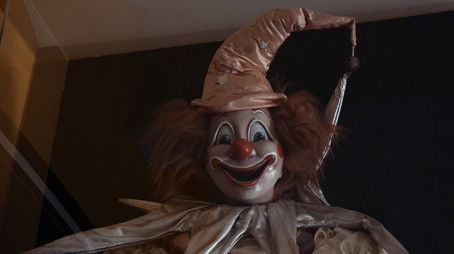
The episode begins with an introduction to the film "Poltergeist," released in 1982, and its reputation for being cursed. The narrator discusses the various tragedies that befell the cast and crew, setting a tone of foreboding. The episode features interviews with film historians, actors, and family members of those involved in the production, who recount their experiences and the eerie coincidences surrounding the film.
The first major focus is on the lead actress, Heather O'Rourke, who played the young girl Carol Anne. The episode details her rise to fame and the strange occurrences that began during the filming. It highlights how Heather fell ill during production, suffering from gastrointestinal issues that were initially dismissed. The filmmakers continued to work with her, unaware of the severity of her condition.
As the narrative progresses, the episode shifts to the tragic death of Dominique Dunne, who played the older sister, Dana. The episode recounts how Dunne was murdered by her ex-boyfriend shortly after the film's release. Interviews with her friends and family reveal the impact of her death on those who knew her, emphasizing the sense of loss and the feeling that something sinister surrounded the film.
The focus then returns to Heather O'Rourke, detailing her sudden decline in health. The episode describes how she was misdiagnosed multiple times before finally being diagnosed with a serious intestinal condition. The filmmakers and cast express their shock and sadness as they recount the moment they learned of her passing in 1988, just before her 13th birthday. This moment is portrayed with emotional weight, showcasing the deep connections formed during the filming.
The episode also explores the death of the actor Julian Beck, who played the villain Kane in "Poltergeist II: The Other Side." Beck's battle with cancer and his subsequent death shortly after filming is discussed, adding another layer to the film's cursed reputation. The interviews reveal how his illness affected his performance and the atmosphere on set.
The narrative continues with the death of Will Sampson, who played the Native American shaman in "Poltergeist II." The episode details his passing due to complications from heart and lung surgery, further contributing to the film's dark legacy. The filmmakers reflect on the eerie coincidences and the feeling that the film was somehow haunted.
As the episode nears its conclusion, it revisits the idea of the "Poltergeist curse." The interviews with cast members and historians culminate in a discussion about the impact of these tragedies on the film's legacy. The emotional toll on the surviving cast members is palpable, as they grapple with the loss and the strange occurrences that surrounded the production.
The episode ends with a somber reflection on the nature of the film industry and the lives affected by "Poltergeist." The final moments emphasize the lasting impact of the film and the tragedies associated with it, leaving viewers with a haunting sense of the film's legacy and the real-life horrors that unfolded alongside its production.







What is the ending?
In the ending of "Cursed Films," season 1, episode 3 titled "Poltergeist," the documentary explores the tragic events surrounding the cast and crew of the film "Poltergeist." It highlights the untimely deaths of key figures associated with the film, particularly focusing on Heather O'Rourke, who played Carol Anne. The episode concludes with a somber reflection on the legacy of the film and the eerie coincidences that have led to its reputation as a cursed production.
As the episode unfolds towards its conclusion, the narrative delves deeper into the haunting legacy of "Poltergeist." The scene transitions to interviews with various film historians and industry insiders who recount the chilling stories surrounding the film's production. They discuss the unexpected deaths of cast members, particularly the tragic passing of Heather O'Rourke, who died at a young age due to complications from an undiagnosed intestinal issue. The emotional weight of her loss is palpable, as her co-stars and family members share their memories of her vibrant spirit and talent.
The episode then shifts to a montage of clips from "Poltergeist," juxtaposed with the real-life tragedies that befell its cast. The visuals are haunting, showing the contrast between the film's supernatural horror and the very real grief experienced by those left behind. The narrative emphasizes the impact of these events on the surviving cast members, particularly JoBeth Williams and Craig T. Nelson, who express their feelings of guilt and sorrow over the losses.
As the documentary nears its end, it reflects on the broader implications of the so-called "curse." The filmmakers present a series of interviews with paranormal experts who discuss the idea of curses in Hollywood, suggesting that the tragedies associated with "Poltergeist" may be more than mere coincidence. The emotional tone shifts to one of contemplation, as the audience is left to ponder the thin line between fiction and reality, and how the supernatural themes of the film may have resonated with the real-life experiences of its cast.
The episode concludes with a final tribute to Heather O'Rourke, showcasing her most memorable moments from the film. The screen fades to black, leaving viewers with a lingering sense of unease and reflection on the fragility of life, the impact of loss, and the haunting legacy of "Poltergeist." The fate of the main characters is underscored by the tragic losses that have marked their lives, serving as a poignant reminder of the film's dark history.
Is there a post-credit scene?
In the episode "Poltergeist" from season 1 of Cursed Films, there is no post-credit scene. The episode concludes without any additional footage or scenes after the credits roll. The focus remains on the exploration of the film's alleged curses and the tragic events surrounding its cast and crew, leaving viewers with a sense of the eerie legacy of the film rather than a continuation of the narrative.
What happened to the young actress Heather O'Rourke during the filming of Poltergeist?
Heather O'Rourke, who played Carol Anne in Poltergeist, tragically passed away at a young age due to complications from an undiagnosed intestinal issue. Her death occurred shortly before the release of Poltergeist III, leading to speculation about the film's supposed curse.
How did the character of Carol Anne Freeling contribute to the film's haunting narrative?
Carol Anne Freeling, portrayed by Heather O'Rourke, is central to the haunting narrative of Poltergeist. Her innocent connection to the supernatural forces in the house draws the attention of malevolent spirits, leading to her abduction and the family's desperate attempts to rescue her.
What role did the character of Tangina Barrons play in the resolution of the haunting?
Tangina Barrons, played by Zelda Rubinstein, serves as a medium who helps the Freeling family confront the supernatural forces in their home. Her expertise and guidance are crucial in navigating the terrifying events, ultimately leading to the family's confrontation with the spirits and their rescue of Carol Anne.
What were the implications of the real-life tragedies associated with the cast of Poltergeist?
The real-life tragedies, including the deaths of several cast members, such as Dominique Dunne and Heather O'Rourke, have fueled the narrative of a curse surrounding the film. These events have led to discussions about the toll of the film's production on its actors and the eerie coincidences that followed.
How did the character of Steve Freeling react to the supernatural events in the film?
Steve Freeling, portrayed by Craig T. Nelson, initially exhibits skepticism towards the supernatural occurrences in his home. However, as the events escalate and his daughter Carol Anne is taken by the spirits, his emotional state shifts from disbelief to desperation, showcasing a father's determination to protect his family at all costs.
Is this family friendly?
The episode "Poltergeist" from the series Cursed Films delves into the dark and unsettling history surrounding the making of the iconic horror film. While the episode is primarily focused on the behind-the-scenes stories and the alleged curses associated with the film, there are several aspects that may be objectionable or upsetting for children or sensitive viewers:
-
Discussion of Death: The episode includes accounts of the untimely deaths of cast members, which may be distressing for younger audiences or those sensitive to themes of mortality.
-
Graphic Imagery: There are references to disturbing scenes from the film itself, which may include unsettling visuals that could be frightening for children.
-
Supernatural Themes: The exploration of curses and paranormal activity may evoke fear or anxiety, particularly for those who are sensitive to horror themes.
-
Emotional Testimonies: Interviews with individuals affected by the film's legacy may include emotional recounting of personal tragedies, which could be upsetting.
-
Creepy Atmosphere: The overall tone of the episode is dark and eerie, which may create an unsettling viewing experience for sensitive viewers.
These elements contribute to a viewing experience that may not be suitable for all audiences, particularly younger children or those who are easily disturbed by horror-related content.