


















































Popular
What motivates The Bride to seek revenge against the Deadly Viper Assassination Squad?
How does The Bride's training with Pai Mei influence her abilities?
What is the significance of the 'Yellow Jumpsuit' worn by The Bride?
What are the circumstances surrounding the fight with O-Ren Ishii?
How does the character of Bill influence the narrative of Kill Bill?
Should I watch it?
Ask Your Own Question

What is the plot?
Sorry, we aren't able to watch and write up a full detailed plot yet. Check back in a few days.







What is the ending?
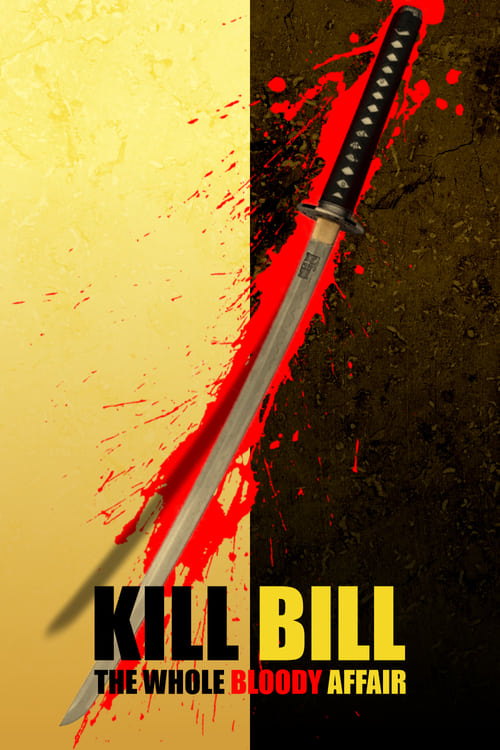
In the ending of "Kill Bill: The Whole Bloody Affair," The Bride, also known as Beatrix Kiddo, confronts and ultimately defeats her final target, Bill. After a tense and emotional showdown, she uses the "Five Point Palm Exploding Heart Technique" to kill him. The film concludes with Beatrix reflecting on her journey and the choices she made, particularly regarding her daughter, whom she is determined to protect.
As the final act of "Kill Bill: The Whole Bloody Affair" unfolds, the scene transitions to a serene setting where Beatrix Kiddo, clad in her iconic yellow jumpsuit, stands before Bill in a dimly lit room. The atmosphere is thick with tension, a culmination of years of betrayal and vengeance. Bill, played by David Carradine, sits casually, a stark contrast to the gravity of their confrontation. He attempts to engage Beatrix in conversation, reminiscing about their past and the love they once shared, but Beatrix remains resolute, her heart hardened by the pain he has caused.
The dialogue is charged with emotion, revealing the complexity of their relationship. Bill tries to persuade Beatrix to abandon her quest for revenge, but she is unwavering. The camera captures the flicker of vulnerability in her eyes, a reminder of the life she once had and the daughter she longs to reunite with. As the conversation escalates, the tension reaches a boiling point, and Beatrix reveals her mastery of the "Five Point Palm Exploding Heart Technique," a lethal move she learned from the legendary martial artist Pai Mei.
In a moment of quiet intensity, Beatrix demonstrates the technique on Bill, who, despite his bravado, realizes the gravity of his fate. As she delivers the final blow, the camera lingers on Bill's face, capturing the shock and acceptance of his impending death. He stumbles backward, clutching his chest, and with a poignant expression, he takes five steps before collapsing, a visual representation of the technique's deadly effectiveness. The scene is both tragic and cathartic, encapsulating the culmination of Beatrix's journey for vengeance.
As Bill lies lifeless on the ground, Beatrix stands over him, a mixture of triumph and sorrow washing over her. The weight of her actions settles in, and she reflects on the cost of her revenge. The camera shifts to her face, revealing a complex blend of emotions--relief, grief, and a lingering sense of loss. She has avenged her past, but at what cost? The scene transitions to a flashback of her daughter, showcasing Beatrix's motivation throughout her journey. The audience is reminded of the innocence she fights to protect.
In the final moments, Beatrix walks away from the scene, her silhouette framed against the backdrop of the setting sun. The film closes with her determination to reclaim her life and protect her daughter from the cycle of violence that has consumed her. The fate of the main characters is sealed: Beatrix has achieved her revenge, but the emotional scars remain, hinting at the complexities of love, loss, and the consequences of vengeance. The film leaves viewers with a poignant sense of closure, yet an understanding that the journey of healing is just beginning for Beatrix Kiddo.
Is there a post-credit scene?
In "Kill Bill: The Whole Bloody Affair," there is no post-credit scene. The film concludes with the final confrontation between The Bride, played by Uma Thurman, and her nemesis, Bill, portrayed by David Carradine. The narrative wraps up with an emotional and intense climax, focusing on The Bride's journey of vengeance and her complex relationship with Bill. After the climactic battle, the film ends on a poignant note, leaving no additional scenes or content after the credits. The absence of a post-credit scene aligns with the film's thematic closure, emphasizing the resolution of The Bride's quest for revenge and her emotional state as she reflects on her choices and the consequences of her actions.
What motivates The Bride to seek revenge against the Deadly Viper Assassination Squad?
The Bride, also known as Beatrix Kiddo, is driven by a deep desire for vengeance after being brutally attacked on her wedding day by the Deadly Viper Assassination Squad, led by her former mentor Bill. The traumatic experience of losing her unborn child and the betrayal she feels from those she once trusted fuels her relentless quest for revenge.
How does The Bride's training with Pai Mei influence her abilities?
The Bride's training with the legendary kung fu master Pai Mei significantly enhances her combat skills. Under his rigorous and often harsh tutelage, she learns advanced martial arts techniques, including the infamous 'Five Point Palm Exploding Heart Technique.' This training not only sharpens her physical abilities but also instills in her a sense of discipline and determination that becomes crucial in her quest for revenge.
What is the significance of the 'Yellow Jumpsuit' worn by The Bride?
The iconic yellow jumpsuit worn by The Bride is a homage to Bruce Lee's outfit in 'Game of Death.' It symbolizes her transformation into a warrior and her readiness to confront her enemies. The bright color contrasts with the dark themes of revenge and violence, making her stand out as a formidable force. The jumpsuit becomes a visual representation of her journey and the vengeance she seeks.
What are the circumstances surrounding the fight with O-Ren Ishii?
The fight with O-Ren Ishii takes place in a visually stunning setting, the House of Blue Leaves, where The Bride confronts O-Ren, who has become a powerful crime boss. The battle is marked by a blend of samurai and modern combat styles, showcasing The Bride's skills against O-Ren's elite bodyguards. The emotional stakes are high, as O-Ren represents one of the key figures in The Bride's past betrayal, making their confrontation both personal and deadly.
How does the character of Bill influence the narrative of Kill Bill?
Bill serves as the central antagonist and the driving force behind The Bride's quest for revenge. His complex character is revealed through flashbacks, showcasing his charm, manipulation, and the deep bond he once shared with Beatrix. Bill's motivations, including his desire for power and control, create a layered conflict that propels the narrative forward, culminating in a final confrontation that is as much about their past relationship as it is about revenge.
Is this family friendly?
"Kill Bill: The Whole Bloody Affair" is not considered family-friendly due to its graphic content and themes. Here are some potentially objectionable or upsetting aspects:
-
Extreme Violence: The film features numerous scenes of intense and stylized violence, including sword fights, decapitations, and bloodshed that may be disturbing to children and sensitive viewers.
-
Graphic Injury Depictions: There are close-up shots of injuries and the aftermath of violent encounters, which can be quite graphic and unsettling.
-
Strong Language: The dialogue includes frequent use of strong profanity, which may not be suitable for younger audiences.
-
Adult Themes: The film explores themes of revenge, betrayal, and murder, which may be too mature for children.
-
Emotional Trauma: The protagonist experiences significant emotional pain and trauma, which is depicted in a raw and intense manner.
-
Sexual Content: There are instances of sexual innuendo and suggestive situations that may not be appropriate for younger viewers.
Overall, the film's combination of violence, strong language, and adult themes makes it unsuitable for children and potentially upsetting for sensitive individuals.








