










Popular
What happens to Mari when she is captured by the criminals?
How does the relationship between Mari and her parents evolve throughout the film?
What motivates Krug to commit the violent acts against Mari and her family?
How do Mari's parents react when they discover what has happened to her?
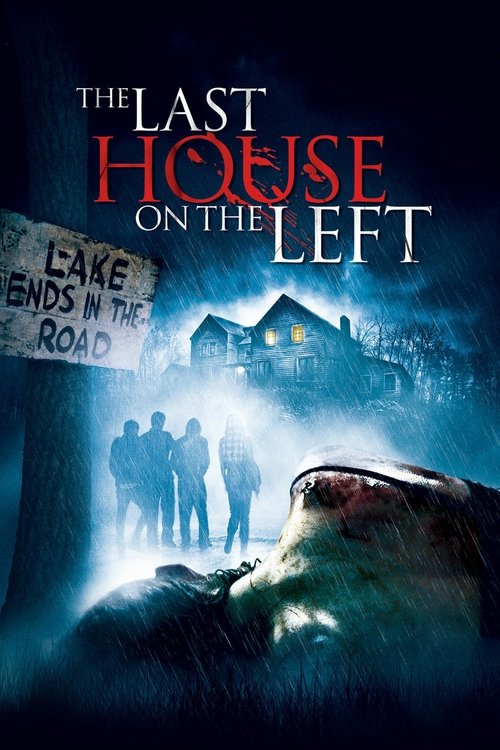
What role does the setting play in the film, particularly the Last House on the Left?
Should I watch it?
Ask Your Own Question

What is the plot?
Sorry, we aren't able to watch and write up a full detailed plot yet. Check back in a few days.



What is the ending?
In the ending of "The Last House on the Left" (2009), Mari's parents, John and Emma, confront the group of criminals who have harmed their daughter. In a brutal confrontation, they take revenge on the attackers. The film concludes with the parents emerging from the ordeal, forever changed by the violence they have experienced and inflicted.
As the climax of "The Last House on the Left" unfolds, the tension escalates in the secluded home of John and Emma. After enduring unimaginable horror, Mari's parents are driven by a primal instinct to protect their daughter and seek vengeance against the group that has wronged her.
Scene 1: The Confrontation Begins The scene opens with John and Emma, visibly shaken but resolute, as they prepare to confront the criminals who have invaded their lives. The atmosphere is thick with dread and determination. They have discovered that the group, led by the sadistic Krug, is hiding out in their home. The couple's emotional turmoil is palpable; they are torn between the love for their daughter and the rage boiling within them.
Scene 2: The Trap is Set John, armed with a shotgun, and Emma, with a fierce look of resolve, set a trap for the intruders. They know that the criminals are dangerous, but the thought of their daughter's suffering fuels their courage. As they wait, the camera captures their anxious expressions, highlighting the weight of their decision to take justice into their own hands.
Scene 3: The Arrival of the Criminals Krug and his accomplices, including the unstable and unpredictable Sadie, arrive at the house, unaware of the impending confrontation. The tension in the air is thick as they joke and taunt, their arrogance evident. The contrast between their carefree demeanor and the parents' grim determination sets the stage for the violent clash that is about to unfold.
Scene 4: The Fight for Survival As the criminals settle in, John and Emma spring into action. The confrontation is brutal and chaotic. John engages Krug in a fierce struggle, showcasing his desperation and anger. Emma, fueled by a mother's instinct, confronts Sadie, leading to a violent altercation. The violence is raw and unflinching, emphasizing the lengths to which the parents will go to protect their family.
Scene 5: The Turning Point In a pivotal moment, John manages to overpower Krug, delivering a fatal blow. The camera lingers on John's face, a mix of relief and horror as he realizes the extent of what he has done. Emma, meanwhile, confronts Sadie, who is ultimately subdued. The emotional weight of the moment is heavy; the parents have crossed a line that cannot be uncrossed.
Scene 6: The Aftermath With the criminals defeated, John and Emma stand amidst the chaos of their home, bloodied and shaken. The camera captures their expressions, revealing the profound impact of their actions. They have avenged their daughter, but at what cost? The emotional toll is evident as they embrace, both relieved and haunted by the violence they have committed.
Scene 7: The Final Scene The film concludes with John and Emma leaving their home, forever changed by the events that transpired. The final shot lingers on their faces, reflecting a mix of sorrow and resolve. They have survived, but the scars of their experience will remain with them. The screen fades to black, leaving the audience to grapple with the consequences of vengeance and the fragility of humanity.
In the end, Mari's fate is tragic; she is a victim of the violence that unfolds. John and Emma, while having avenged their daughter, are left to navigate the emotional wreckage of their actions, illustrating the film's exploration of the depths of parental love and the darkness that can arise from desperation.
Is there a post-credit scene?
The Last House on the Left (2009) does not have a post-credit scene. The film concludes with the resolution of the main storyline, focusing on the aftermath of the violent events that transpired. The final moments emphasize the emotional toll on the characters, particularly Mari's parents, as they grapple with their actions and the loss they have endured. The film ends on a somber note, leaving the audience to reflect on the themes of revenge and the consequences of violence without any additional scenes after the credits.
What happens to Mari when she is captured by the criminals?
Mari, a teenage girl, is captured by a group of criminals led by Krug. They brutally assault her and take her hostage, subjecting her to physical and emotional torment. During her captivity, she experiences extreme fear and helplessness, which is depicted through harrowing scenes that showcase her vulnerability.
How does the relationship between Mari and her parents evolve throughout the film?
Mari's relationship with her parents, particularly her mother, is initially portrayed as loving and supportive. However, after Mari's abduction and the subsequent events, her parents are thrust into a harrowing situation that tests their bond. The emotional turmoil they experience transforms their relationship, as they grapple with grief, anger, and the desire for vengeance.
What motivates Krug to commit the violent acts against Mari and her family?
Krug, the leader of the criminal group, is driven by a combination of sadistic pleasure and a desire for power. His violent tendencies are fueled by his troubled past and his need to assert dominance over others. This motivation is evident in his interactions with Mari and her family, where he exhibits a complete lack of empathy.
How do Mari's parents react when they discover what has happened to her?
When Mari's parents, John and Emma, learn about the horrific events that have transpired, they are consumed by shock and despair. Their initial reaction is one of disbelief, but as the reality sets in, they become determined to find justice. This leads to a transformation in their characters, as they shift from being victims to taking matters into their own hands.
What role does the setting play in the film, particularly the Last House on the Left?
The Last House on the Left serves as a stark contrast to the violence that unfolds. Initially depicted as a serene and idyllic home, it becomes a site of horror and tragedy. The setting amplifies the emotional stakes, as the familiar and safe environment is violated, highlighting the fragility of safety and the impact of evil intruding into a once-peaceful life.
Is this family friendly?
The Last House on the Left (2009) is not family-friendly and contains several potentially objectionable or upsetting scenes that may be distressing for children or sensitive viewers. Here are some aspects to consider:
-
Graphic Violence: The film features intense and brutal scenes of violence, including physical assaults and murder, which are depicted in a very graphic manner.
-
Sexual Assault: There are scenes that involve sexual violence, which are particularly disturbing and may be triggering for some viewers.
-
Torture: Characters experience extreme forms of torture, leading to significant emotional and physical suffering.
-
Strong Language: The dialogue includes frequent use of harsh profanity and derogatory terms.
-
Murder: The film portrays the killing of characters in a brutal and unsettling way, contributing to the overall dark tone.
-
Emotional Distress: The emotional turmoil experienced by the characters, particularly the parents, is intense and may evoke strong feelings of sadness or anxiety.
Due to these elements, the film is intended for mature audiences and is rated R for its content.







