
























Popular
What role does Nicholas Easter play in the jury selection process?
How does Marlee influence the trial's outcome?
What is the significance of the character Rankin Fitch?
How does the relationship between Nicholas and Marlee develop throughout the film?
What tactics does the defense team use to sway the jury?
Should I watch it?
Ask Your Own Question

What is the plot?
Sorry, we aren't able to watch and write up a full detailed plot yet. Check back in a few days.




What is the ending?
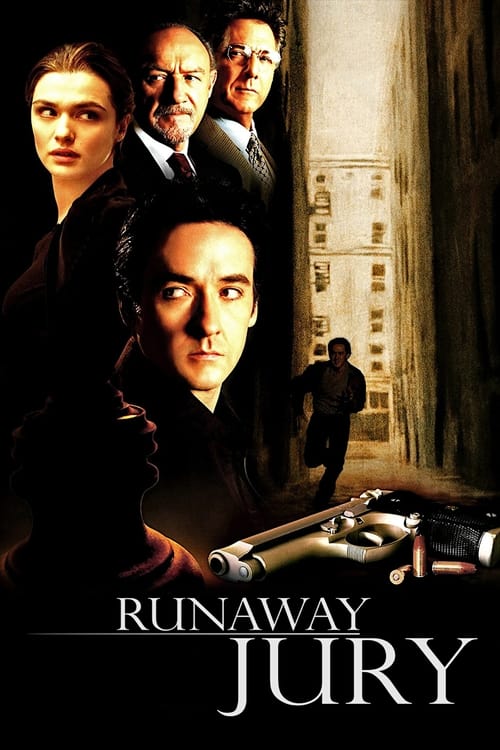
In the ending of "Runaway Jury," Nicholas Easter and his girlfriend, Marlee, successfully manipulate the jury's decision in a high-stakes trial against a gun manufacturer. They expose the unethical tactics of the opposing legal team, led by Rankin Fitch, and ultimately secure a verdict in favor of the plaintiffs. The film concludes with Marlee and Nicholas walking away with a significant sum of money, having outsmarted the system.
Now, let's delve into the ending in a detailed, chronological narrative.
As the trial reaches its climax, the tension in the courtroom is palpable. The jury, which has been carefully influenced by Nicholas Easter and Marlee, is on the verge of making a decision. Nicholas, a juror who has been secretly communicating with Marlee, feels the weight of the responsibility on his shoulders. He is torn between his desire for justice and the fear of the repercussions of their actions.
In a pivotal scene, Marlee meets with Rankin Fitch, the ruthless jury consultant working for the gun manufacturer. She reveals her knowledge of Fitch's manipulative tactics and offers him a deal: she will ensure the jury rules in favor of the plaintiffs if she is compensated handsomely. Fitch, confident in his ability to control the situation, dismisses her at first but soon realizes the depth of her influence over the jury.
Meanwhile, Nicholas is grappling with his own moral dilemmas. He knows that the verdict will have significant implications, not just for the case at hand but for the broader issue of gun control and corporate accountability. As the jury deliberates, he reflects on the personal stories of the victims and the impact of gun violence, which fuels his determination to see justice served.
The jury finally returns with a verdict, and the courtroom is filled with anticipation. The foreman announces that they find in favor of the plaintiffs, a decision that sends shockwaves through the courtroom. Fitch, visibly enraged, realizes that he has been outmaneuvered. The plaintiffs, who have been fighting for justice for the victims of gun violence, erupt in tears of relief and joy.
In the aftermath, Marlee and Nicholas meet outside the courthouse. They share a moment of triumph, knowing they have not only won the case but have also exposed the corrupt practices of the legal system. Marlee reveals that they have secured a substantial financial reward for their efforts, which they plan to use to support gun control initiatives.
As they walk away, the camera captures their sense of freedom and empowerment. They have successfully navigated a treacherous legal landscape, outsmarting powerful adversaries. The film closes with a sense of hope, suggesting that individuals can make a difference in the face of systemic corruption.
In terms of character fates, Nicholas and Marlee emerge victorious, having achieved their goal and secured a better future for themselves and others. Rankin Fitch, on the other hand, is left to grapple with his defeat, a reminder of the consequences of his unethical methods. The film leaves viewers with a powerful message about the importance of integrity and the potential for change, even in the most challenging circumstances.
Is there a post-credit scene?
The movie "Runaway Jury," produced in 2003, does not have a post-credit scene. The film concludes with the resolution of the courtroom drama, focusing on the outcome of the jury's decision regarding the gun manufacturer in the wrongful death case. After the credits roll, there are no additional scenes or content that follow. The story wraps up with the implications of the jury's verdict and the characters' fates, leaving the audience with a sense of closure regarding the central conflict.
What role does Nicholas Easter play in the jury selection process?
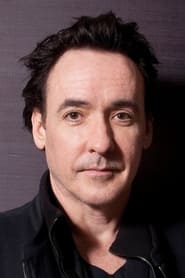
Nicholas Easter, portrayed by John Cusack, is a juror who becomes a pivotal figure in the trial against a gun manufacturer. He is initially seen as a passive participant but gradually reveals his intelligence and strategic thinking. Nicholas is motivated by a desire for justice, particularly influenced by the tragic death of his girlfriend due to gun violence. He secretly communicates with a jury consultant, which allows him to manipulate the jury's decision-making process.
How does Marlee influence the trial's outcome?
Marlee, played by Rachel Weisz, is a key character who acts as a liaison between Nicholas Easter and the outside world. She is cunning and resourceful, using her charm and intelligence to negotiate with both the plaintiff's and defendant's legal teams. Her motivations are driven by a personal vendetta against the gun industry, and she seeks to ensure that justice is served. Marlee's ability to manipulate information and her strategic alliances significantly impact the trial's direction.
What is the significance of the character Rankin Fitch?
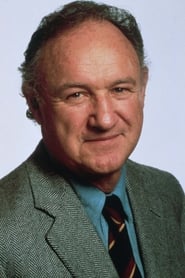
Rankin Fitch, portrayed by Gene Hackman, is a ruthless jury consultant hired by the gun manufacturer. He embodies the dark side of the legal system, using unethical tactics to sway the jury in favor of his client. Fitch's character is driven by ambition and a desire for power, showcasing the lengths to which he will go to achieve a favorable verdict. His interactions with Nicholas and Marlee highlight the moral complexities of the trial and the manipulation at play.
How does the relationship between Nicholas and Marlee develop throughout the film?
The relationship between Nicholas and Marlee evolves from a simple juror-juror liaison to a deep emotional connection. Initially, they share a common goal of influencing the trial's outcome, but as they work together, their bond strengthens. Nicholas admires Marlee's intelligence and determination, while Marlee is drawn to Nicholas's integrity and passion for justice. Their relationship is marked by trust and mutual respect, culminating in a partnership that challenges the corrupt practices surrounding the trial.
What tactics does the defense team use to sway the jury?
The defense team, led by the character Durwood Cable, employs various tactics to sway the jury, including presenting a strong emotional appeal and attempting to discredit the plaintiff's case. They focus on portraying the gun manufacturer as a responsible entity and emphasize the idea of personal responsibility in gun ownership. The defense's strategy includes using expert witnesses and manipulating evidence to create doubt in the jurors' minds, showcasing the lengths to which they will go to protect their client.
Is this family friendly?
"Runaway Jury," produced in 2003, is a legal thriller that delves into themes of manipulation, morality, and the justice system. While it features a compelling narrative, there are several elements that may be objectionable or upsetting for children or sensitive viewers:
-
Violence and Gun-related Themes: The film revolves around a lawsuit against a gun manufacturer, which includes discussions and depictions of gun violence. There are references to shootings and the impact of gun-related deaths, which may be distressing.
-
Intense Legal Drama: The courtroom scenes can be quite intense, showcasing high-stakes manipulation and emotional confrontations. The pressure and tension in these scenes may be overwhelming for younger viewers.
-
Manipulation and Deception: The plot involves characters who engage in deceitful tactics to influence the jury. This theme of manipulation can be unsettling, especially for those sensitive to issues of trust and integrity.
-
Emotional Turmoil: Characters experience significant emotional distress, including grief and anger, particularly related to the loss of loved ones due to gun violence. These portrayals may evoke strong feelings in viewers.
-
Mature Themes: The film addresses complex moral dilemmas and ethical questions surrounding the legal system, which may be difficult for younger audiences to fully grasp.
Overall, while "Runaway Jury" is a gripping narrative, its themes and content may not be suitable for children or those who are sensitive to violence and emotional distress.







