


Popular
What personal experiences does Ava DuVernay share in this episode?
How does Ava DuVernay address the issue of representation in Hollywood?
What advice does Ava DuVernay give to aspiring filmmakers?
How does Ava DuVernay reflect on her childhood and its impact on her work?
What specific projects does Ava DuVernay discuss in this episode?
Should I watch it?
Ask Your Own Question

What is the plot?
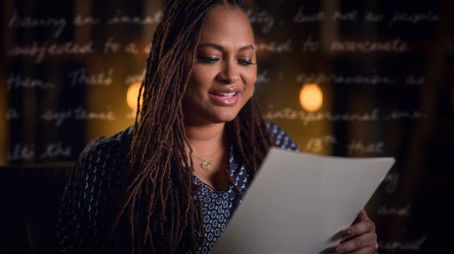
In the episode "Ava DuVernay" from season 2 of "Dear...", the narrative begins with a montage of Ava DuVernay's impactful career, showcasing her journey as a filmmaker and activist. The episode opens with clips from her notable works, including "Selma" and "13th," highlighting her commitment to social justice and representation in media. This sets the tone for the episode, emphasizing her influence and the importance of her voice in contemporary culture.
As the episode progresses, Ava reflects on her childhood and the formative experiences that shaped her perspective. She shares personal anecdotes about growing up in Los Angeles, where she was exposed to a diverse array of cultures and stories. This background instills in her a deep understanding of the power of storytelling and its ability to effect change. Ava's emotional connection to her past is palpable as she discusses the challenges she faced, including the lack of representation in the media and the struggles of her community.
The narrative then shifts to Ava's decision to pursue a career in filmmaking. She recounts the moment she realized that she could use her passion for storytelling to address social issues. This pivotal decision is marked by a sense of determination and purpose, as she expresses her desire to create films that resonate with marginalized voices. The episode captures her internal struggle as she navigates the industry, often feeling the weight of responsibility to represent her community authentically.
Ava's journey takes a significant turn when she discusses her experience directing "Selma." She details the challenges of bringing Martin Luther King Jr.'s story to the screen, including the pressure to do justice to such a monumental figure. The episode highlights her meticulous approach to filmmaking, showcasing her dedication to historical accuracy and emotional depth. Ava's passion is evident as she describes the collaborative process with actors and crew, emphasizing the importance of diverse perspectives in storytelling.
The episode also features testimonials from individuals who have been inspired by Ava's work. These personal stories illustrate the profound impact her films have had on audiences, particularly young people of color. The emotional weight of these testimonials adds depth to the narrative, showcasing the ripple effect of Ava's storytelling on individual lives and communities.
As the episode nears its conclusion, Ava reflects on her future aspirations. She expresses a desire to continue pushing boundaries in the film industry and to advocate for greater representation behind the camera. This moment is filled with hope and determination, as she emphasizes the importance of mentorship and uplifting the next generation of filmmakers. The episode ends on a powerful note, with Ava reaffirming her commitment to using her platform for social change, leaving viewers inspired by her journey and vision for the future.








What is the ending?
In the ending of "Dear..., Season 2, Episode 6: Ava DuVernay," Ava reflects on her journey and the impact of her work. She expresses gratitude for the stories she has been able to tell and the people she has met along the way. The episode concludes with a montage of her achievements and the voices of those she has inspired, emphasizing the importance of representation and storytelling.
As the episode draws to a close, Ava DuVernay sits in a serene, sunlit room, surrounded by mementos of her career. The camera captures her contemplative expression, revealing a mix of pride and introspection. She begins to speak directly to the audience, sharing her thoughts on the power of storytelling and the responsibility that comes with it. Her voice is steady, yet filled with emotion as she recounts the challenges she faced in her career, from the early days of struggling to get her projects off the ground to the triumphs of her acclaimed works.
The scene transitions to a series of clips showcasing her films, interspersed with behind-the-scenes moments that highlight her collaborative spirit. We see her working with diverse casts and crews, emphasizing her commitment to representation in the industry. Each clip is accompanied by the voices of individuals who have been influenced by her work, sharing how her stories have resonated with them personally. This montage serves as a powerful reminder of the impact of her storytelling on various communities.
As the episode progresses, Ava reflects on the importance of mentorship and the next generation of filmmakers. She speaks about the young artists she has encountered, expressing hope for their futures and the stories they will tell. The camera captures her interactions with these aspiring creators, showcasing her genuine enthusiasm and support for their dreams.
In the final moments, the screen fades to black, and a quote from Ava appears, encapsulating her philosophy on storytelling: "We are the stories we tell." The episode concludes with a sense of hope and inspiration, leaving viewers with a lasting impression of Ava's dedication to her craft and the transformative power of narrative.
Throughout the episode, Ava DuVernay emerges as a figure of resilience and inspiration, embodying the themes of representation, mentorship, and the significance of sharing diverse stories. The fate of Ava is one of continued success and influence, as she remains committed to uplifting others in the industry and championing the voices that have historically been marginalized.
Is there a post-credit scene?
In the episode "Ava DuVernay" from season 2 of "Dear...", there is no post-credit scene. The episode concludes without any additional content after the credits roll, focusing instead on the powerful messages and themes presented throughout the main narrative. The episode centers on Ava DuVernay's reflections and the impact of her work, leaving viewers with a sense of closure as it wraps up her story and the heartfelt letters shared.
What personal experiences does Ava DuVernay share in this episode?
In this episode, Ava DuVernay shares her journey as a filmmaker, detailing the challenges she faced in the industry, including the struggle for representation and the importance of storytelling that reflects diverse voices. She recounts specific moments from her career that shaped her perspective and fueled her passion for creating impactful narratives.
How does Ava DuVernay address the issue of representation in Hollywood?
Ava DuVernay discusses the systemic barriers that have historically marginalized voices of color in Hollywood. She emphasizes the need for more inclusive storytelling and highlights her efforts to create opportunities for underrepresented filmmakers, showcasing her commitment to changing the narrative within the industry.
What advice does Ava DuVernay give to aspiring filmmakers?
Throughout the episode, Ava DuVernay offers heartfelt advice to aspiring filmmakers, encouraging them to stay true to their unique voices and experiences. She stresses the importance of perseverance, authenticity, and the power of storytelling to effect change, urging them to embrace their individuality in their creative pursuits.
How does Ava DuVernay reflect on her childhood and its impact on her work?
Ava DuVernay reflects on her childhood experiences, particularly her exposure to diverse narratives and the influence of her family. She shares how these early experiences shaped her understanding of storytelling and inspired her to create films that resonate with her own background and the broader community.
What specific projects does Ava DuVernay discuss in this episode?
In this episode, Ava DuVernay discusses several of her notable projects, including 'Selma' and 'When They See Us.' She delves into the creative processes behind these works, the historical significance of the stories, and the emotional weight they carry, illustrating her dedication to telling stories that matter.
Is this family friendly?
In the episode "Ava DuVernay" from season 2 of "Dear...", there are a few elements that may be considered potentially objectionable or upsetting for children or sensitive viewers.
-
Themes of Racial Injustice: The episode addresses serious topics related to race, inequality, and social justice, which may be heavy for younger audiences to fully grasp.
-
Emotional Struggles: There are moments of vulnerability and emotional pain as individuals share their personal stories, which could be intense for some viewers.
-
Discussion of Trauma: The episode touches on experiences of trauma and hardship, which might be distressing for sensitive viewers.
-
Real-Life Challenges: The portrayal of real-life challenges faced by individuals in the context of their communities may evoke strong emotions.
These elements contribute to the overall message of empowerment and resilience but may require parental guidance for younger viewers.