





















Popular
What significant decisions does Lee Tae realize he must make regarding his leadership in Episode 11?
How does the relationship between Lee Tae and Park Gyeong-eun evolve in this episode?
What role does the character of Kim So-yeon play in the events of Episode 11?
What are the consequences of the betrayal revealed in Episode 11?
How does the episode depict the theme of sacrifice through the character actions?
Should I watch it?
Ask Your Own Question

What is the plot?
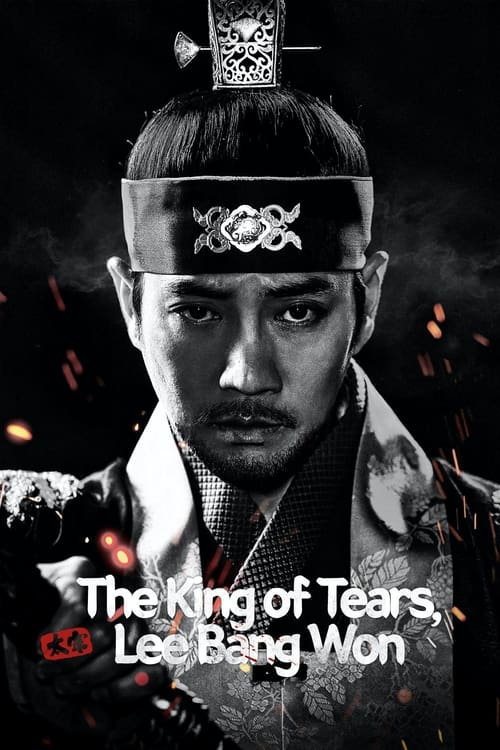
In Episode 11 of "Bloody Heart," the episode opens with a tense atmosphere in the royal palace. Lee Tae, the king, is grappling with the aftermath of recent political turmoil and the betrayal he feels from those around him. He is seen pacing in his chambers, his face a mask of conflict and determination. The weight of his decisions hangs heavily on him as he contemplates the future of his reign and the safety of his loved ones.
Meanwhile, Kim So Eun, the queen, is in her own quarters, reflecting on her complicated feelings towards Lee Tae. She is torn between her loyalty to him and the fear of the consequences of his actions. As she gazes out of the window, her expression shifts from longing to resolve, indicating her internal struggle. She decides she must confront Lee Tae about their relationship and the state of the kingdom.
The scene shifts to a council meeting where Lee Tae is surrounded by his advisors. Tensions rise as they discuss the growing unrest among the nobles and the potential for rebellion. Lee Tae's frustration is palpable as he listens to their differing opinions. He ultimately makes a bold decision to take a more aggressive stance against the dissenters, asserting his authority as king. This decision is met with mixed reactions from his advisors, some supporting him while others express concern about the potential fallout.
Later, Kim So Eun approaches Lee Tae in his private chambers. Their conversation is charged with emotion as she challenges him on his recent decisions. She fears that his actions could lead to more bloodshed and urges him to consider a more diplomatic approach. Lee Tae, feeling cornered, defends his choices passionately, revealing his deep-seated fears of losing power and control. The tension between them escalates, and they share a moment of vulnerability, hinting at their complex feelings for one another.
As the episode progresses, a plot twist unfolds when a trusted ally of Lee Tae is revealed to be a traitor. This betrayal sends shockwaves through the palace, and Lee Tae must act quickly to contain the situation. He gathers his loyal guards and devises a plan to confront the traitor before they can cause further damage. The urgency of the moment is palpable as Lee Tae prepares for a confrontation, his determination to protect his throne driving him forward.
The confrontation takes place in a dimly lit corridor of the palace. Lee Tae and his guards corner the traitor, leading to a tense standoff. The traitor, realizing they have been caught, attempts to negotiate their way out, but Lee Tae is resolute. A physical struggle ensues, with Lee Tae showcasing his combat skills. The fight is intense, filled with quick movements and strategic maneuvers. Ultimately, Lee Tae overpowers the traitor, but not without sustaining a minor injury, which adds to the gravity of the situation.
After the confrontation, Lee Tae returns to his chambers, visibly shaken but resolute. He reflects on the betrayal and the lengths he must go to secure his reign. Meanwhile, Kim So Eun, having witnessed the aftermath of the confrontation, feels a mix of admiration and fear for Lee Tae. She realizes the depth of his commitment to the throne, but also the darkness that comes with it.
The episode concludes with Lee Tae standing alone on the balcony of the palace, looking out over the kingdom. The weight of his decisions looms large as he contemplates the future. His expression is a blend of determination and sorrow, hinting at the challenges that lie ahead. The final shot lingers on his face, capturing the internal conflict that defines his character as the screen fades to black.

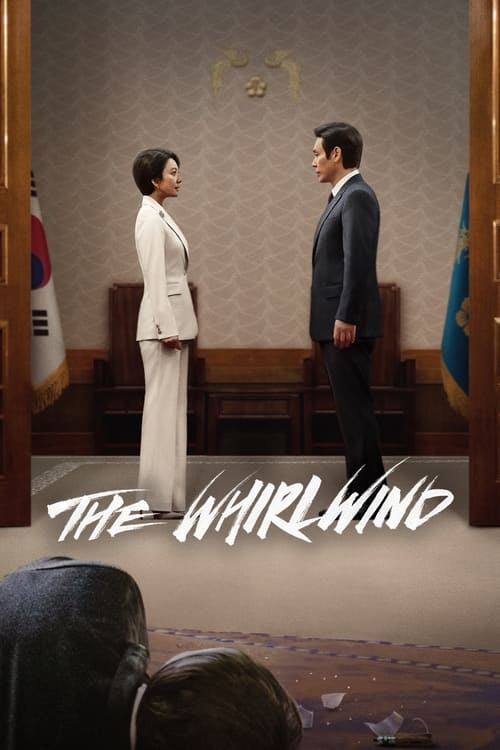
What is the ending?
In the ending of "Bloody Heart," Season 1, Episode 11, the tension reaches a climax as the characters confront their fates. Lee Tae and Park Gyeong-eun face the consequences of their choices, leading to a tragic resolution that alters their lives forever. The episode concludes with a sense of loss and unresolved conflict, leaving the characters grappling with their decisions and the impact on their futures.
As the episode unfolds, the scene opens in the dimly lit palace, where Lee Tae stands alone, his expression a mix of determination and despair. The weight of his responsibilities as king presses heavily on him, and he reflects on the sacrifices he has made for power. The camera captures the flickering candlelight, casting shadows that symbolize the darkness surrounding his reign.
In the next scene, Park Gyeong-eun enters the palace, her demeanor tense. She is torn between her loyalty to Lee Tae and her desire for justice. The emotional turmoil is palpable as she confronts him about the recent betrayals and the bloodshed that has ensued. Their dialogue is charged with unspoken feelings, revealing the depth of their connection despite the political strife that divides them.
As the plot progresses, the stakes escalate when a coup is revealed. Lee Tae's closest advisor, who has been plotting against him, makes a bold move to seize power. The tension in the air is thick as Lee Tae learns of the betrayal. The scene shifts to a grand hall where the advisor gathers supporters, rallying them with promises of a new order. The camera pans over the faces of the conspirators, each one reflecting greed and ambition.
In a dramatic confrontation, Lee Tae and the advisor face off. The atmosphere is electric, filled with the sounds of clashing swords and the cries of loyalists. Lee Tae fights valiantly, but the odds are against him. The choreography of the fight is intense, showcasing Lee Tae's skill and desperation. As the battle rages, Park Gyeong-eun arrives, her heart racing as she witnesses the chaos unfold.
In a pivotal moment, Park Gyeong-eun intervenes, attempting to save Lee Tae from a fatal blow. Her bravery is met with tragedy as she is wounded in the process. The camera captures her pain and determination, emphasizing her love for Lee Tae and her commitment to the kingdom. Lee Tae's face contorts with anguish as he sees her fall, and he fights with renewed vigor, ultimately defeating the advisor but at a great cost.
The final scenes are haunting. Lee Tae kneels beside Park Gyeong-eun, cradling her in his arms as she struggles to breathe. The palace, once a symbol of power, now feels like a tomb filled with echoes of their dreams. Tears stream down Lee Tae's face as he realizes the price of his ambition. Park Gyeong-eun's eyes, filled with both love and sorrow, close as she whispers her final words, urging him to be a just king.
The episode concludes with Lee Tae alone in the palace, surrounded by the remnants of the battle. The weight of his crown feels heavier than ever, and the camera lingers on his face, reflecting a man forever changed by loss. The screen fades to black, leaving viewers with a sense of unresolved tension and the haunting question of what the future holds for a king burdened by the blood on his hands.
Is there a post-credit scene?
In "Episode 11" of "Bloody Heart," there is no post-credit scene. The episode concludes without any additional scenes or content after the credits roll. The focus remains on the intense developments and emotional resolutions that occur within the main storyline, leaving viewers with a sense of closure for the episode's events.
What significant decisions does Lee Tae realize he must make regarding his leadership in Episode 11?
In Episode 11, Lee Tae grapples with the weight of his responsibilities as a leader. He realizes that to maintain his power and protect his loved ones, he must make difficult choices that could alienate him from those he cares about. This internal conflict is highlighted when he contemplates the sacrifices he must make for the greater good of the kingdom.
How does the relationship between Lee Tae and Park Gyeong-eun evolve in this episode?
In this episode, the relationship between Lee Tae and Park Gyeong-eun deepens as they confront the realities of their situation. Park Gyeong-eun expresses her concerns about Lee Tae's decisions, leading to a poignant moment where they both acknowledge their feelings for each other amidst the chaos of political intrigue. Their bond is tested as they navigate trust and loyalty.
What role does the character of Kim So-yeon play in the events of Episode 11?
Kim So-yeon plays a crucial role in Episode 11 as she becomes a key advisor to Lee Tae. Her insights and strategic thinking help him navigate the treacherous political landscape. However, her own ambitions and desires create tension, as she must balance her loyalty to Lee Tae with her personal goals, leading to a complex dynamic.
What are the consequences of the betrayal revealed in Episode 11?
The betrayal revealed in Episode 11 has far-reaching consequences for the characters involved. It leads to a significant shift in alliances, causing mistrust among the court members. Lee Tae's reaction to the betrayal showcases his vulnerability and determination to regain control, setting the stage for future conflicts and power struggles.
How does the episode depict the theme of sacrifice through the character actions?
In Episode 11, the theme of sacrifice is vividly depicted through the actions of several characters. Lee Tae is faced with the choice of sacrificing his personal happiness for the sake of his kingdom, while Park Gyeong-eun must decide whether to put her own safety at risk to support him. These moments are filled with emotional weight, highlighting the personal costs of their ambitions.
Is this family friendly?
"Bloody Heart," particularly in episode 11, contains several elements that may not be suitable for children or sensitive viewers. Here are some potentially objectionable aspects:
-
Violence: The episode features scenes of political intrigue that may include threats, confrontations, and the aftermath of violent actions, which can be intense and unsettling.
-
Emotional Turmoil: Characters experience significant emotional distress, including betrayal, loss, and moral dilemmas, which may be heavy for younger audiences to process.
-
Romantic Tension: There are complex romantic relationships that involve manipulation and emotional conflict, which may not be appropriate for younger viewers.
-
Dark Themes: The overarching themes of power struggles, betrayal, and the consequences of ambition can be quite dark and may be difficult for sensitive viewers to engage with.
-
Mature Language: The dialogue may include mature language or themes that are not suitable for children.
These elements contribute to a narrative that is more suited for mature audiences, focusing on the complexities of human relationships and the darker aspects of political power.