

Popular
Should I watch it?
Additional Questions
Ask Your Own Question

What is the plot?
Sorry, we aren't able to watch and write up a full detailed plot yet. Check back in a few days.
More Movies Like This
Browse All Movies →





What is the ending?
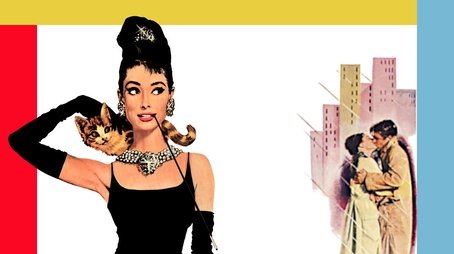
In the ending of Breakfast at Tiffany's, Holly Golightly and Paul Varjak confront their feelings for each other. After a series of misunderstandings and emotional turmoil, they find themselves at a pivotal moment. Holly, having run away from her life and the complications it brings, ultimately realizes her love for Paul. The film concludes with a poignant scene where they embrace in the rain, symbolizing a new beginning for both of them.
Now, let's delve into the ending in a more detailed narrative fashion.
As the film approaches its climax, Holly Golightly is in a state of emotional upheaval. She has just experienced a significant fallout with her wealthy suitor, which has left her feeling lost and vulnerable. Paul Varjak, her neighbor and aspiring writer, has been observing her from a distance, grappling with his own feelings for her. The tension between them has been building throughout the film, marked by moments of intimacy and misunderstanding.
In the penultimate scene, Holly is seen frantically searching for her beloved cat, which she had abandoned in her haste to escape her chaotic life. This cat symbolizes her own feelings of abandonment and her struggle for connection. Paul, who has been trying to understand Holly's complex nature, steps in to help her find the cat. This act of kindness is pivotal; it shows his commitment to her, despite her erratic behavior.
After a tense search, they finally find the cat in a nearby alley. Holly, overwhelmed with emotion, realizes that she has been running away from her true feelings and the possibility of love. In a moment of vulnerability, she confesses to Paul that she is scared of being tied down and of the emotional risks that come with love. Paul, however, reassures her that he is willing to take that risk.
The final scene unfolds in the rain, a classic cinematic moment that heightens the emotional stakes. Holly, dressed in her iconic black dress, stands in the rain, her hair soaked and her makeup running. Paul approaches her, and they share a heartfelt conversation. Holly expresses her fears and insecurities, revealing the depth of her character and the reasons behind her seemingly carefree exterior.
As they stand together, Paul takes Holly's face in his hands and kisses her, a moment that signifies their mutual understanding and acceptance of each other's flaws. The rain pours down around them, washing away their past troubles and symbolizing a fresh start. Holly, for the first time, allows herself to be vulnerable and open to love.
The film concludes with a sense of hope and renewal. Holly and Paul embrace, and the camera captures their silhouettes against the backdrop of the city, suggesting that they are ready to face the future together. The fate of Holly is one of transformation; she is no longer the elusive socialite but a woman willing to embrace love. Paul, too, finds his purpose, stepping out of his writer's block and into a relationship that promises to be fulfilling.
In this ending, both characters find solace in each other, suggesting that love can be a powerful force for change and healing. The film closes on a note of optimism, leaving the audience with the impression that Holly and Paul will navigate the complexities of life together, hand in hand.
Is there a post-credit scene?
Breakfast at Tiffany's, produced in 1961, does not have a post-credit scene. The film concludes with a poignant moment between the main characters, Holly Golightly and Paul Varjak, as they navigate their complex relationship. After a series of emotional ups and downs, the film ends with a sense of hope and ambiguity, leaving the audience to ponder the future of their connection. The final scene features Holly and Paul in a rain-soaked embrace, symbolizing both the challenges they face and the possibility of love, but there are no additional scenes or credits that follow this moment.
What is Holly Golightly's relationship with Paul Varjak?
Holly Golightly, played by Audrey Hepburn, has a complex and evolving relationship with Paul Varjak, portrayed by George Peppard. Initially, Holly is a free-spirited socialite who enjoys the company of wealthy men, while Paul is a struggling writer living in her apartment building. As they spend more time together, their relationship deepens from mere acquaintances to a romantic connection. Holly is drawn to Paul's genuine nature and artistic aspirations, while Paul becomes enchanted by Holly's charm and enigmatic personality. However, Holly's fear of commitment and her desire for independence create tension, leading to moments of vulnerability and emotional conflict between them.
What is the significance of Tiffany's in Holly's life?
Tiffany's, the iconic jewelry store in New York City, holds a special significance for Holly Golightly. For her, it represents a place of comfort and escape from her tumultuous life. Holly often visits Tiffany's to admire the beautiful jewelry, claiming that it makes her feel safe and happy. The store symbolizes her dreams of wealth and a glamorous lifestyle, as well as her desire to find a sense of belonging. Holly's connection to Tiffany's reflects her longing for a life filled with luxury and stability, contrasting with her chaotic existence as a socialite.
How does Holly's past influence her character?
Holly Golightly's past significantly shapes her character and motivations throughout the film. She comes from a troubled background, having grown up in a small town in Texas and experienced a difficult childhood. This history of instability and her desire to escape her past drive her to reinvent herself as a sophisticated New York socialite. Holly's fear of intimacy and commitment stems from her past experiences, leading her to maintain a facade of independence and aloofness. Her internal struggle with her identity and the longing for genuine connection is a recurring theme, influencing her interactions with Paul and her choices throughout the story.
What role does the character of Doc play in Holly's life?
Doc, played by Buddy Ebsen, is a significant figure in Holly Golightly's life, representing her past and the consequences of her choices. He is an older man who has been romantically involved with Holly and is deeply in love with her. Doc's presence in the film highlights Holly's struggle with her identity and her fear of commitment. He wishes to take her back to a more stable life, but Holly's desire for freedom and her reluctance to confront her past create tension. Doc's character serves as a reminder of the life Holly is trying to escape, and his attempts to reconnect with her force her to confront her feelings and the reality of her situation.
What does the cat symbolize in the story?
The cat, often referred to as 'Cat,' symbolizes Holly Golightly's emotional state and her struggle for connection. Initially, Holly is reluctant to name the cat, reflecting her fear of attachment and commitment. The cat represents her desire for freedom and independence, as well as her inability to form lasting relationships. As the story progresses, the cat becomes a metaphor for Holly's own journey; when Paul takes care of the cat, it signifies his growing affection for Holly and his willingness to embrace her chaotic life. Ultimately, the cat's presence underscores the themes of love, belonging, and the complexities of human relationships in Holly's world.
Is this family friendly?
"Breakfast at Tiffany's," produced in 1961, is generally considered a romantic comedy, but it does contain several elements that may be objectionable or upsetting for children or sensitive viewers. Here are some aspects to consider:
-
Themes of Loneliness and Isolation: The film explores deep emotional themes, including loneliness and the search for identity, which may be difficult for younger viewers to understand.
-
Sexual Content: There are suggestive scenes and innuendos, including references to sexual relationships and a character's profession as a "party girl," which may not be suitable for all audiences.
-
Substance Use: There are instances of characters drinking alcohol, and one scene involves a character being intoxicated, which could be concerning for younger viewers.
-
Mental Health: The film touches on themes of mental health, particularly through the character of Holly Golightly, whose behavior and lifestyle choices may raise questions about emotional well-being.
-
Violence: While not graphic, there are moments of tension and conflict that may be unsettling, including a scene involving a confrontation.
-
Cultural Stereotypes: The portrayal of certain characters, particularly the character of Mr. Yunioshi, has been criticized for its racial stereotypes, which may be uncomfortable for some viewers.
These elements may warrant parental guidance for younger audiences or sensitive viewers.





