








Popular
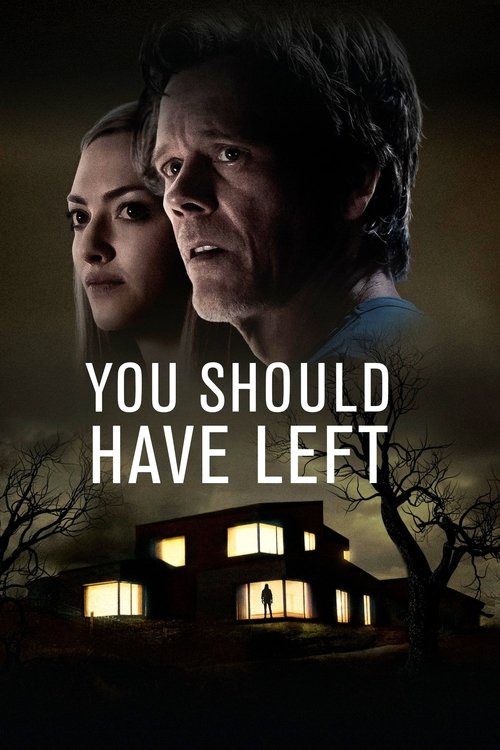
What is the significance of the house in You Should Have Left?
How does Theo's relationship with his wife Susanna evolve throughout the film?
What role does the character of the daughter, Ella, play in the story?
What are the implications of Theo's past and how do they affect his actions in the film?
How does the film portray the concept of time and its manipulation within the house?
Should I watch it?
Ask Your Own Question

What is the plot?
Sorry, we aren't able to watch and write up a full detailed plot yet. Check back in a few days.




What is the ending?
In the ending of "You Should Have Left," Theo, the main character, confronts the haunting realities of his life and the consequences of his actions. He ultimately sacrifices himself to save his daughter, Ella, from the malevolent forces within the house. The film concludes with a sense of ambiguity, leaving the fate of the characters open to interpretation.
As the climax unfolds, Theo finds himself trapped in the surreal and nightmarish environment of the house, which seems to manipulate time and space. He is desperate to protect his daughter, Ella, from the sinister presence that has been tormenting them. The house reveals its true nature, showcasing the psychological and emotional turmoil that Theo has been grappling with throughout the film.
In a pivotal moment, Theo realizes that the house feeds off his fears and regrets. He confronts the manifestations of his guilt, particularly surrounding his troubled marriage and the infidelity that has haunted him. As he battles these inner demons, he becomes increasingly aware that the only way to free Ella from the house's grasp is to confront his own past.
In a heart-wrenching decision, Theo chooses to sacrifice himself, allowing Ella to escape the clutches of the house. He faces the darkness head-on, accepting the consequences of his actions and the pain he has caused. As he makes this ultimate sacrifice, the house begins to collapse around him, symbolizing the destruction of his past and the release of his daughter from the cycle of torment.
The film concludes with Ella emerging from the house, seemingly free but left with the weight of her father's sacrifice. The final scenes leave viewers with a haunting sense of uncertainty, as the implications of Theo's choices linger in the air, and the true nature of the house remains shrouded in mystery.
In summary, the ending of "You Should Have Left" encapsulates the themes of guilt, sacrifice, and the haunting nature of one's past, culminating in a poignant and ambiguous conclusion that resonates with the emotional journeys of the characters involved.
Is there a post-credit scene?
In the movie "You Should Have Left," there is no post-credit scene. The film concludes with its final moments, leaving the audience with a sense of ambiguity and tension without any additional scenes or revelations after the credits roll. The story wraps up with the main character, Theo, facing the consequences of his actions and the haunting nature of the house, emphasizing the psychological horror elements that permeate the film. The absence of a post-credit scene reinforces the unsettling atmosphere and the unresolved nature of the narrative.
What is the significance of the house in You Should Have Left?
The house serves as a central character in the film, embodying the psychological turmoil of the protagonist, Theo. It is a modern, minimalist structure that becomes increasingly unsettling as the story unfolds. The house seems to manipulate time and space, reflecting Theo's inner fears and regrets, particularly regarding his past and his relationship with his wife, Susanna.
How does Theo's relationship with his wife Susanna evolve throughout the film?
Theo's relationship with Susanna begins as strained, marked by his insecurities and her apparent discontent. As they stay in the house, their interactions become more tense, revealing deeper issues in their marriage. Susanna's flirtation with the idea of leaving Theo and her emotional distance exacerbate his fears, leading to a climax where Theo's desperation to hold onto her becomes palpable.
What role does the character of the daughter, Ella, play in the story?
Ella, Theo and Susanna's young daughter, represents innocence and vulnerability amidst the chaos of the adult world. Her presence amplifies Theo's protective instincts, but also highlights his fears of failing as a father. As the supernatural elements of the house begin to affect them, Ella becomes a focal point for Theo's anxiety, driving him to confront the darker aspects of his psyche.
What are the implications of Theo's past and how do they affect his actions in the film?
Theo's past, particularly his previous marriage and the trauma surrounding it, heavily influences his current relationship and decisions. His guilt and unresolved issues manifest in the house, which seems to draw on his memories and fears. This haunting past drives him to paranoia and desperation, ultimately leading to his attempts to escape the house and confront his demons.
How does the film portray the concept of time and its manipulation within the house?
The film intricately weaves the concept of time into its narrative, with the house distorting reality. Characters experience time loops and disorientation, reflecting Theo's mental state. This manipulation serves to heighten the tension and confusion, as Theo struggles to discern what is real and what is a product of his mind, ultimately leading to a sense of entrapment that mirrors his emotional struggles.
Is this family friendly?
"You Should Have Left" is not considered family-friendly due to its psychological horror elements and themes that may be unsettling for children or sensitive viewers. Here are some potentially objectionable or upsetting aspects:
-
Psychological Tension: The film builds a sense of dread and anxiety, which may be distressing for younger audiences or those sensitive to horror themes.
-
Supernatural Elements: There are unsettling supernatural occurrences that can be frightening, including distorted realities and eerie settings.
-
Violence and Threats: While not excessively graphic, there are moments that involve implied violence and threats that could be alarming.
-
Emotional Turmoil: The characters experience significant emotional distress, including themes of guilt, fear, and betrayal, which may be heavy for younger viewers.
-
Nightmares and Hallucinations: The protagonist experiences disturbing dreams and hallucinations that contribute to a sense of confusion and fear.
Overall, the film's atmosphere and themes may not be suitable for children or those who are sensitive to horror and psychological tension.








