
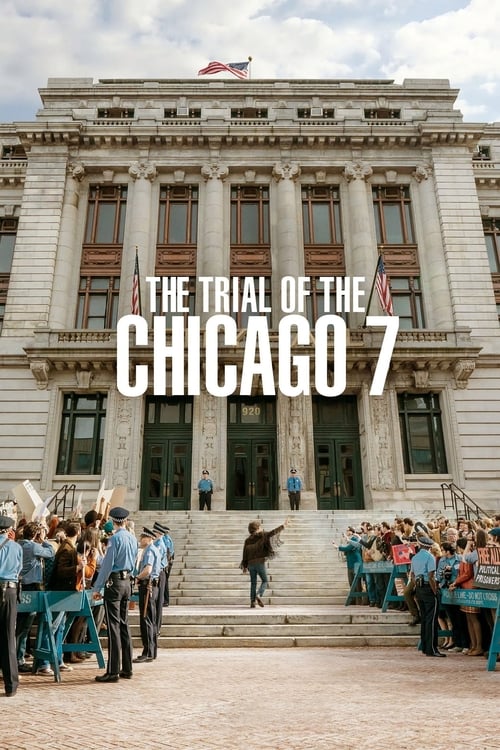


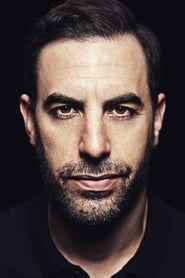



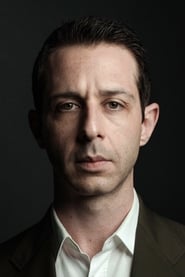
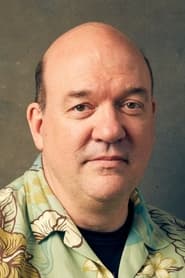





































Popular
What were the main charges against the Chicago 7?
How did Abbie Hoffman and Jerry Rubin's personalities clash with Tom Hayden's?
What role did Bobby Seale play in the trial?
How did the trial impact the relationship between the defendants?
What was the significance of the courtroom scenes involving Judge Julius Hoffman?
Should I watch it?
Ask Your Own Question

What is the plot?
Sorry, we aren't able to watch and write up a full detailed plot yet. Check back in a few days.






What is the ending?
In the ending of "The Trial of the Chicago 7," the defendants face the verdicts of their trial. The judge, Julius Hoffman, delivers a harsh sentence, and the film concludes with a powerful moment of solidarity among the defendants, highlighting their commitment to their cause despite the injustices they faced.
As the final scenes unfold, the courtroom is tense, filled with anticipation. The camera captures the weary faces of the defendants--Abbie Hoffman, Jerry Rubin, Tom Hayden, David Dellinger, Bobby Seale, and others--as they await the verdict. The atmosphere is thick with a mix of hope and despair, reflecting the weight of the trial that has consumed their lives for months.
The judge, Julius Hoffman, enters the courtroom, and the room falls silent. He begins to read the verdicts, and the tension is palpable. Each defendant's name is called, and the verdicts are delivered one by one. The audience can feel the gravity of the moment as the judge pronounces guilty verdicts for several of the defendants, including Abbie Hoffman and Jerry Rubin. The camera lingers on their faces, capturing the shock and disappointment that washes over them. They had fought valiantly against what they perceived as a corrupt system, and now they are being punished for their beliefs.
As the verdicts are read, Bobby Seale, who has been separated from the other defendants due to his outbursts in court, is shown in a separate scene. He is still shackled and has been denied a fair trial, a stark reminder of the racial injustices that permeate the legal system. The film highlights his struggle and the systemic racism he faces, culminating in a moment where he is sentenced to a lengthy prison term, despite not being part of the conspiracy the others were accused of.
In the aftermath of the verdicts, the defendants are visibly shaken but resolute. They share a moment of solidarity, standing together in defiance of the court's decision. Abbie Hoffman, with his characteristic humor, tries to lighten the mood, but the weight of their situation hangs heavily in the air. The camera captures their camaraderie, emphasizing their shared commitment to their cause and each other, even in the face of adversity.
The film concludes with a montage of the defendants, showing their lives after the trial. Tom Hayden is seen reflecting on the impact of the trial on his life and the movement, while Abbie Hoffman continues to advocate for change, embodying the spirit of resistance. The final shot lingers on the faces of the defendants, a poignant reminder of their fight for justice and the sacrifices they made.
In the end, the fates of the main characters are sealed by the verdicts. Abbie Hoffman and Jerry Rubin face prison time, while Tom Hayden is left to grapple with the implications of the trial on his ideals. Bobby Seale's fate is particularly tragic, as he is denied justice and subjected to a system that fails to recognize his humanity. The film closes on a note of resilience, underscoring the enduring struggle for justice and the importance of standing up against oppression, even when the odds are stacked against you.
Is there a post-credit scene?
The Trial of the Chicago 7 does not have a post-credit scene. The film concludes with a powerful final moment that encapsulates the themes of justice and protest, leaving the audience with a sense of reflection on the events depicted. The story wraps up with the characters' fates and the broader implications of the trial, emphasizing the ongoing struggle for civil rights and social justice. The absence of a post-credit scene aligns with the film's serious tone and historical significance, focusing on the real-life impact of the trial rather than providing additional fictional content.
What were the main charges against the Chicago 7?
The Chicago 7 were charged with conspiracy and inciting to riot, stemming from their involvement in the protests at the 1968 Democratic National Convention in Chicago. The prosecution argued that they conspired to incite violence and disrupt the convention.
How did Abbie Hoffman and Jerry Rubin's personalities clash with Tom Hayden's?
Abbie Hoffman and Jerry Rubin were flamboyant and theatrical, often using humor and absurdity to make their points, while Tom Hayden was more serious and focused on political strategy. This clash created tension within the group, as Hayden sought to present a more organized and responsible front, contrasting with Hoffman's and Rubin's chaotic approach.
What role did Bobby Seale play in the trial?
Bobby Seale, the co-founder of the Black Panther Party, was initially part of the Chicago 7 but was later severed from the trial due to his outbursts and the judge's decision to separate his case. Seale's treatment during the trial highlighted issues of racial injustice and the systemic bias within the legal system.
How did the trial impact the relationship between the defendants?
The trial put immense pressure on the relationships among the defendants, revealing deep ideological divides. While some, like Hoffman and Rubin, sought to maintain a sense of camaraderie and humor, others, like Hayden, became frustrated with the lack of seriousness and focus, leading to conflicts and a sense of disunity.
What was the significance of the courtroom scenes involving Judge Julius Hoffman?
Judge Julius Hoffman was portrayed as biased and authoritarian, often siding with the prosecution and displaying contempt for the defendants. His behavior, including his dismissive attitude and harsh rulings, underscored the unfairness of the trial and served to highlight the broader themes of injustice and the struggle for civil rights during the era.
Is this family friendly?
The Trial of the Chicago 7, while a historical drama, contains several elements that may not be suitable for children or sensitive viewers. Here are some potentially objectionable or upsetting aspects:
-
Violence and Riots: The film depicts scenes of protests and riots, including police brutality and violent confrontations. These moments can be intense and distressing.
-
Strong Language: There is frequent use of strong language throughout the film, which may be inappropriate for younger audiences.
-
Themes of Injustice: The film explores heavy themes such as systemic injustice, political corruption, and the struggles for civil rights, which may be difficult for younger viewers to fully comprehend.
-
Emotional Distress: Characters experience significant emotional turmoil, including fear, anger, and despair, particularly in the context of their trial and the societal issues they face.
-
Drug Use: There are references to drug use and counterculture, which may not be suitable for all audiences.
These elements contribute to the film's mature themes and may be upsetting for children or sensitive individuals.







