












Popular
What is the significance of the old school building in From Up on Poppy Hill?
How does Umi Matsuzaki's relationship with Shun Kazama develop throughout the film?
What role does Umi's grandmother play in her life and the story?
What is the significance of the flags that Umi raises every morning?
How does the theme of memory and the past manifest in the characters' lives?
Should I watch it?
Ask Your Own Question

What is the plot?
Sorry, we aren't able to watch and write up a full detailed plot yet. Check back in a few days.





What is the ending?
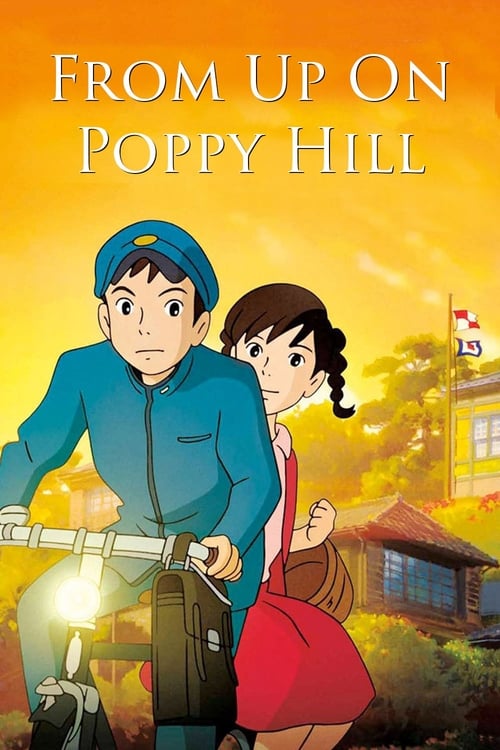
In the ending of "From Up on Poppy Hill," Umi and Shun discover that they are not siblings, as they initially feared, but rather have a deep connection through their shared past. They decide to pursue their feelings for each other, and the film concludes with a sense of hope and renewal as they look towards the future together.
As the film approaches its conclusion, the narrative unfolds with Umi and Shun continuing their efforts to save the old Latin Quarter building from demolition. The students rally together, showcasing their determination and camaraderie. Umi, who has been grappling with the loss of her father, finds solace in her growing bond with Shun. Their relationship deepens as they work side by side, sharing dreams and aspirations.
In a pivotal scene, Umi learns from Shun that they are not related, which lifts a heavy burden from her heart. This revelation occurs during a moment of vulnerability, where they both express their fears and hopes. Umi's internal conflict about her feelings for Shun dissipates, allowing her to embrace her emotions fully. The atmosphere is charged with a mix of relief and joy as they realize they can be together without the weight of familial ties.
As the students prepare for the upcoming festival, they face challenges, including opposition from the school administration. However, their determination shines through, and they manage to gather support from the community. The Latin Quarter is filled with life as the festival approaches, symbolizing the resilience of youth and the importance of preserving history.
In the final scenes, Umi and Shun stand together, looking out over the bay, filled with a sense of hope for the future. The film closes with a poignant moment where Umi raises a flag, a symbol of her father's legacy and her own journey of growth. The sun sets beautifully over the horizon, encapsulating the themes of love, loss, and the passage of time.
The fates of the main characters are intertwined with the film's resolution. Umi, having found clarity in her feelings and a sense of purpose, steps into a new chapter of her life. Shun, too, embraces his identity and the connection he shares with Umi, ready to face the future together. The other students, having fought for their cause, find a sense of accomplishment and unity, reinforcing the film's message about the power of community and the importance of cherishing one's roots.
Is there a post-credit scene?
In the movie "From Up on Poppy Hill," there is no post-credit scene. The film concludes with a poignant moment that encapsulates the themes of nostalgia, hope, and the passage of time. After the main story unfolds, the final scenes show Umi and Shun standing together, looking out over the bay, symbolizing their shared dreams and the future they hope to build. The absence of a post-credit scene allows the emotional weight of their journey and the resolution of their relationship to resonate with the audience, leaving them with a sense of closure and reflection on the beauty of their experiences.
What is the significance of the old school building in From Up on Poppy Hill?
The old school building, known as the 'Latin Quarter,' serves as a central location for the students and symbolizes the past and the memories of the characters. It is a place where Umi Matsuzaki and her friends gather to fight against its demolition, representing their connection to their heritage and the importance of preserving history.
How does Umi Matsuzaki's relationship with Shun Kazama develop throughout the film?
Umi and Shun's relationship begins with a chance encounter and evolves as they work together to save the Latin Quarter. Their bond deepens as they share personal stories, including their family histories, which reveal a deeper connection between them. Umi's feelings of admiration and affection for Shun grow as they face challenges together, culminating in a poignant moment of realization about their pasts.
What role does Umi's grandmother play in her life and the story?
Umi's grandmother is a guiding figure in her life, representing tradition and familial bonds. She provides emotional support and wisdom, encouraging Umi to pursue her dreams while also reminding her of the importance of family history. Her presence adds depth to Umi's character, highlighting the generational connections that influence Umi's decisions throughout the film.
What is the significance of the flags that Umi raises every morning?
The flags that Umi raises every morning serve as a symbol of hope and connection to her father, who was a sailor. They represent her longing for his return and her determination to keep his memory alive. The act of raising the flags also reflects Umi's resilience and her desire to bring light to her family's past amidst the challenges she faces.
How does the theme of memory and the past manifest in the characters' lives?
The theme of memory and the past is woven throughout the characters' lives, particularly in Umi and Shun's journey. Umi's memories of her father and the history of the Latin Quarter drive her actions, while Shun's connection to his deceased father influences his motivations. The characters grapple with their pasts, seeking to honor their memories while forging their futures, which ultimately shapes their identities and relationships.
Is this family friendly?
"From Up on Poppy Hill" is generally considered family-friendly, but there are a few elements that might be sensitive for children or more sensitive viewers.
-
Themes of Loss and Grief: The film touches on the loss of loved ones, particularly the main characters' reflections on their deceased parents. This theme may evoke feelings of sadness or nostalgia.
-
Historical Context: Set in post-war Japan, the film includes references to the impact of World War II, which may be difficult for younger viewers to fully understand.
-
Emotional Conflicts: The characters experience moments of emotional turmoil, including misunderstandings and the struggle to reconcile their feelings about family and identity.
-
Mature Relationships: There are subtle romantic undertones and moments of emotional intimacy between the main characters that may require some explanation for younger audiences.
-
Social Issues: The film addresses themes of class and societal expectations, which may be complex for younger viewers to grasp.
Overall, while the film is suitable for family viewing, parents may want to discuss these themes with children to provide context and support.








