















Popular
What is the significance of the Lost Tower in the movie?
Who is Mukade and what are his motivations?
How does Naruto end up in the past, and what challenges does he face there?
What role does the character of the young Minato Namikaze play in the story?
How does the film explore the theme of legacy through Naruto and Minato's relationship?
Should I watch it?
Ask Your Own Question

What is the plot?
Sorry, we aren't able to watch and write up a full detailed plot yet. Check back in a few days.
More Movies Like This
Browse All Movies →


What is the ending?
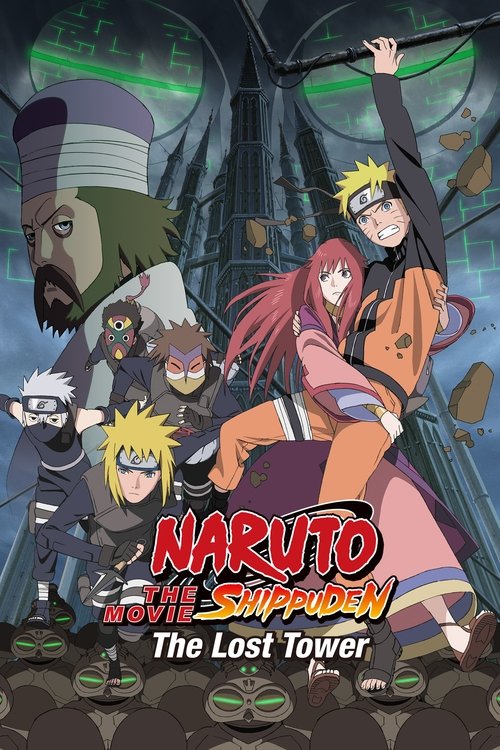
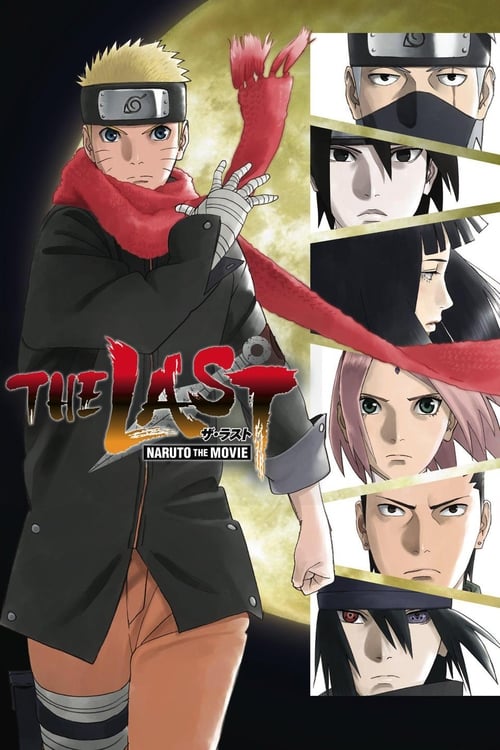
In the ending of "Naruto Shippuden the Movie: The Lost Tower," Naruto and his allies successfully defeat the main antagonist, Mukade, who sought to manipulate time and gain power. After a fierce battle, Naruto uses the power of the Nine-Tails to overcome Mukade. However, the use of this power causes a time paradox, leading to Naruto being sent back to his original timeline. Before he leaves, he shares a heartfelt moment with the people of the past, particularly with the young version of the Fourth Hokage, Minato Namikaze, who is revealed to be his father. The film concludes with Naruto returning to his time, carrying the lessons learned and the bonds formed during his journey.
As the climax of "Naruto Shippuden the Movie: The Lost Tower" unfolds, the scene is set in the ancient ruins of the Tower of Heaven, where Naruto, Sakura, and Sai confront Mukade. The atmosphere is tense, filled with swirling dust and the remnants of a long-lost civilization. Mukade, having absorbed the power of the tower, stands before them, exuding an aura of menace and ambition. He reveals his plan to manipulate time itself, aiming to rewrite history to his advantage.
The battle erupts with Naruto leading the charge, his determination evident in his fierce expression. He channels the energy of the Nine-Tails, his chakra flaring around him in a brilliant display of power. Sakura and Sai support him, their movements synchronized as they unleash their own jutsu against Mukade. The fight is intense, with explosions and shockwaves reverberating through the tower, showcasing the stakes of their confrontation.
As the battle rages on, Mukade reveals his ability to manipulate time, creating clones of himself that attack from multiple angles. Naruto, feeling the weight of his mission and the lives at stake, pushes himself to the limit. He recalls the teachings of his mentors and the bonds he has formed with his friends, fueling his resolve. In a pivotal moment, he taps into the full power of the Nine-Tails, transforming into a formidable beast. The scene is visually striking, with Naruto's silhouette towering over the battlefield, radiating raw energy.
In a climactic showdown, Naruto unleashes a powerful Rasengan, colliding with Mukade's time-manipulating jutsu. The resulting explosion sends shockwaves through the tower, and for a moment, time itself seems to freeze. As the dust settles, Mukade is defeated, his ambitions shattered. However, the victory comes at a cost; the fabric of time begins to unravel, creating a paradox that threatens to erase Naruto from existence.
In the aftermath, Naruto finds himself in a surreal moment, standing before a vision of his father, Minato Namikaze. The emotional weight of this encounter is palpable, as Naruto grapples with the realization of who Minato is. They share a brief but profound exchange, filled with unspoken words and a deep connection that transcends time. Minato expresses his pride in Naruto, encouraging him to continue forging his own path.
As the time paradox intensifies, Naruto is pulled back to his original timeline. The scene shifts, showing him awakening in the present, surrounded by his friends and allies. The relief and joy on their faces contrast with the bittersweet nature of his farewell to the past. Naruto carries with him the lessons learned and the bonds formed during his journey, a testament to his growth as a ninja and as a person.
In the final moments, Naruto reflects on the importance of family, friendship, and the choices that shape one's destiny. The film closes with a sense of hope and determination, as Naruto vows to continue protecting his village and the bonds he cherishes. The fate of each main character is resolved: Naruto returns to his time, Sakura and Sai stand by his side, and Mukade's ambitions are thwarted, ensuring that the timeline remains intact. The emotional resonance of the story lingers, highlighting the themes of connection and the impact of one's choices on the future.
Is there a post-credit scene?
In "Naruto Shippuden the Movie: The Lost Tower," there is no post-credit scene. The film concludes without any additional scenes after the credits roll. The story wraps up with Naruto returning to his time after his adventure in the past, reflecting on his experiences and the bonds he formed during his journey. The focus remains on the resolution of the main plot and the emotional growth of the characters, particularly Naruto, as he learns about the importance of connections and the impact of his actions across time.
What is the significance of the Lost Tower in the movie?
The Lost Tower serves as a central location in the film, representing a place where time and space are distorted. It is a remnant of the ancient past, housing the remnants of the powerful and dangerous entity known as the 'Sage of the Six Paths.' The tower is crucial for the plot as it is where Naruto and his allies confront the antagonist, Mukade, who seeks to harness its power.
Who is Mukade and what are his motivations?
Mukade is the primary antagonist of the film, a rogue ninja from the past who possesses the ability to manipulate time. His motivation stems from a desire to resurrect the ancient power of the Sage of the Six Paths and to gain control over time itself. Mukade's actions are driven by a deep-seated need for revenge against the world that he believes has wronged him, making him a complex character with a tragic backstory.
How does Naruto end up in the past, and what challenges does he face there?
Naruto is transported to the past due to Mukade's time manipulation abilities during a mission to capture him. In the past, Naruto faces numerous challenges, including adapting to a time period where he is not recognized and dealing with the historical figures of the Hidden Leaf Village. He must navigate the complexities of the past while trying to prevent Mukade from achieving his goals, all while maintaining his own identity and purpose.
What role does the character of the young Minato Namikaze play in the story?
The young Minato Namikaze, who is Naruto's father, plays a pivotal role in the film. His character embodies the ideals of a true Hokage, showcasing bravery, wisdom, and a strong sense of duty. Throughout the story, Minato assists Naruto in understanding the importance of bonds and legacy, ultimately helping him to confront Mukade. Their interactions are emotionally charged, as Naruto grapples with the knowledge of his father's identity and the weight of his own destiny.
How does the film explore the theme of legacy through Naruto and Minato's relationship?
The film delves into the theme of legacy by highlighting the relationship between Naruto and Minato. As they work together to thwart Mukade's plans, Naruto learns about the sacrifices his father made for the village and the importance of carrying on that legacy. This exploration is emotionally resonant, as Naruto struggles with feelings of inadequacy and the desire to prove himself worthy of being Minato's son, ultimately leading to a deeper understanding of his own path as a ninja.
Is this family friendly?
"Naruto Shippuden the Movie: The Lost Tower" is generally considered family-friendly, but it does contain some scenes that may be unsettling for younger viewers or sensitive individuals. Here are a few aspects to consider:
-
Violence: The film features intense battles and combat sequences, including characters using jutsu (ninja techniques) that result in injuries or destruction. While not excessively graphic, the action can be intense.
-
Dark Themes: The story explores themes of loss, sacrifice, and the burden of responsibility, which may resonate deeply and evoke emotional responses.
-
Emotional Struggles: Characters experience moments of despair, loneliness, and conflict, which could be upsetting for some viewers, especially younger children who may not fully grasp these emotions.
-
Supernatural Elements: The presence of spirits and time travel may be confusing or frightening for some children, as it introduces concepts that are outside of their everyday experiences.
-
Character Deaths: There are implications of death and loss, which can be a sensitive topic for younger audiences.
Overall, while the film is suitable for a family audience, parental guidance may be advisable for younger viewers or those who are particularly sensitive to emotional or intense scenes.