






































Popular
What happens to the rugby team after the plane crash?
How do the survivors decide to resort to cannibalism?
What is the significance of the character Nando Parrado?
How does the group cope with the psychological effects of the crash?
What role does the character Roberto Canessa play in the survival story?
Should I watch it?
Ask Your Own Question

What is the plot?
Sorry, we aren't able to watch and write up a full detailed plot yet. Check back in a few days.
More Movies Like This
Browse All Movies →







What is the ending?
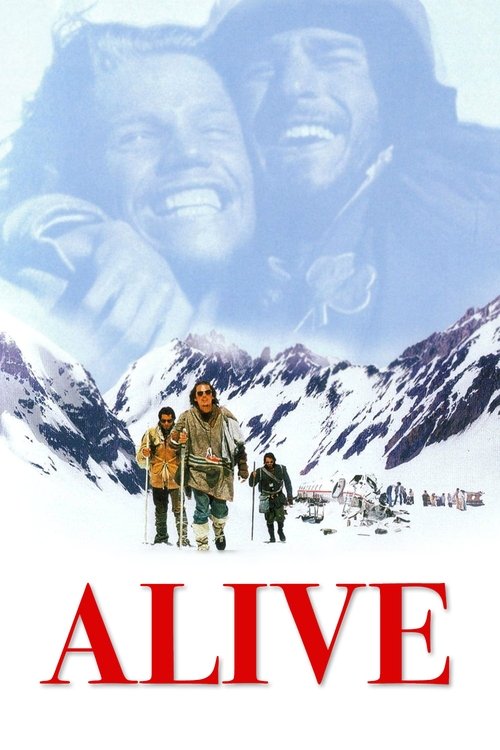
In the ending of the movie "Alive," the remaining survivors of the plane crash are finally rescued after enduring harrowing conditions in the Andes Mountains. They are forced to make the difficult decision to resort to cannibalism to survive. Ultimately, two of the survivors, Nando Parrado and Roberto Canessa, embark on a treacherous journey to find help. After a grueling trek, they reach civilization and alert authorities, leading to the rescue of the remaining survivors.
As the film concludes, the survivors are airlifted from the mountains, and the emotional weight of their ordeal is palpable. The film ends with a reflection on their struggle for survival and the bonds formed through their shared trauma.
As the film approaches its climax, the scene shifts to the desolate, snow-covered Andes, where the remaining survivors of the crash are dwindling in number. The harsh winter conditions have taken a toll on their physical and mental states. The survivors, including Nando Parrado and Roberto Canessa, are faced with the grim reality of their situation. They have already resorted to cannibalism, consuming the bodies of their deceased friends to stay alive. The emotional weight of this decision hangs heavily over them, creating a palpable tension among the group.
Nando and Roberto, driven by desperation and hope, decide to leave the group to seek help. They prepare for their journey, knowing that the odds are stacked against them. The scene is filled with a sense of urgency as they gather supplies and say their goodbyes to the remaining survivors, who are too weak to join them. The emotional farewells are charged with a mix of hope and despair, as the group clings to the possibility of rescue.
As Nando and Roberto begin their trek through the unforgiving landscape, the camera captures the vastness of the mountains, emphasizing their isolation. The journey is grueling; they face treacherous terrain, freezing temperatures, and the constant threat of avalanches. Each step is a battle against exhaustion and despair, but their determination drives them forward. The bond between the two men deepens as they rely on each other for support, sharing memories of their lives before the crash, which serves as a poignant reminder of what they are fighting to return to.
After days of navigating the harsh environment, Nando and Roberto finally encounter a rancher, who is shocked to see them alive. They manage to communicate their plight, and the rancher quickly contacts authorities. The scene shifts to the rescue operation, where helicopters are dispatched to the crash site. The tension builds as the survivors, who have been waiting in the snow, see the helicopters approaching. The sight of the helicopters is a moment of pure relief and joy, contrasting sharply with the despair they have endured.
As the helicopters land, the survivors are airlifted one by one, their faces reflecting a mix of disbelief and gratitude. The emotional reunion with the outside world is overwhelming, and the survivors are finally free from the nightmare that has consumed them. The film captures their expressions of relief, tears of joy, and the weight of their shared trauma as they are lifted from the mountains.
In the final moments, the film reflects on the fates of the main characters. Nando and Roberto emerge as symbols of resilience and hope, having survived against all odds. The remaining survivors, though forever changed by their experience, are also rescued, each carrying the scars of their ordeal. The film closes with a sense of closure, highlighting the strength of the human spirit in the face of unimaginable adversity. The survivors are left to grapple with their memories and the bonds formed in the crucible of survival, a testament to their journey and the choices they made to stay alive.
Is there a post-credit scene?
The movie "Alive," produced in 1993, does not have a post-credit scene. The film concludes with the harrowing story of survival based on the true events of the 1972 Andes plane crash, focusing on the struggles of the survivors and their eventual rescue. The ending emphasizes the emotional and physical toll of their ordeal, leaving the audience with a poignant reflection on human resilience and the will to survive. After the credits roll, there are no additional scenes or content that follow.
What happens to the rugby team after the plane crash?
After the plane crash in the Andes Mountains, the survivors face extreme conditions, including freezing temperatures and a lack of food. They are forced to confront their dire situation, leading to desperate measures for survival.
How do the survivors decide to resort to cannibalism?
As the days pass without rescue and their food supplies dwindle, the survivors hold a somber discussion about their options. They ultimately decide to resort to cannibalism, consuming the bodies of their deceased friends to stay alive.
What is the significance of the character Nando Parrado?
Nando Parrado emerges as a key leader among the survivors. His determination and resilience drive the group to keep hope alive, and he ultimately leads a trek to find help, showcasing his bravery and commitment to saving the others.
How does the group cope with the psychological effects of the crash?
The survivors experience a range of emotions, from despair to hope, as they grapple with their situation. They form bonds, share memories, and support each other, but also face guilt and trauma as they confront the reality of their choices.
What role does the character Roberto Canessa play in the survival story?
Roberto Canessa is portrayed as a compassionate and resourceful member of the group. He, alongside Nando, takes on the responsibility of leading the expedition to find help, demonstrating courage and a strong will to survive.
Is this family friendly?
The movie "Alive," produced in 1993, is based on the true story of the Uruguayan rugby team whose plane crashes in the Andes Mountains. While it is a gripping survival tale, it contains several elements that may be objectionable or upsetting for children or sensitive viewers.
-
Plane Crash: The film opens with a dramatic depiction of the plane crash, which includes intense scenes of chaos and fear as the aircraft goes down.
-
Injury and Trauma: There are graphic portrayals of injuries sustained by the survivors, including blood and physical trauma, which can be distressing.
-
Survival Struggles: The film explores the extreme conditions the survivors face, including freezing temperatures, starvation, and the psychological toll of their situation.
-
Cannibalism: A significant and controversial aspect of the story involves the survivors resorting to cannibalism to stay alive, which is depicted in a stark and unsettling manner.
-
Emotional Distress: The characters experience profound grief, despair, and moral dilemmas, which may be heavy for younger audiences to process.
-
Death: The film includes scenes of death and loss, as some characters do not survive the ordeal, which can be emotionally challenging.
Overall, while "Alive" is a powerful narrative about human resilience, its intense themes and graphic content may not be suitable for younger viewers or those sensitive to such material.







