






Popular
What is the significance of the dust bunny in the story?
How does the protagonist's relationship with her mother influence her actions throughout the film?
What role does the mysterious neighbor play in the protagonist's journey?
How does the setting of the old house contribute to the film's atmosphere?
What pivotal moment leads the protagonist to confront her fears?
Should I watch it?
Ask Your Own Question

What is the plot?
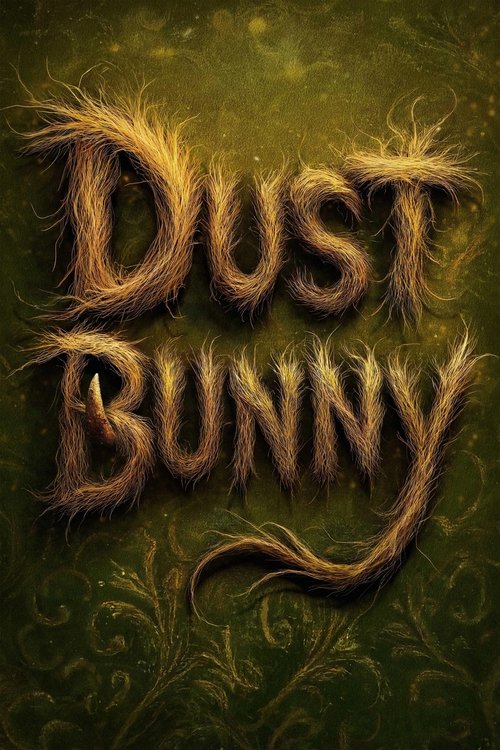
In the heart of a dimly lit New York City apartment building, eight-year-old Aurora lives a life shadowed by loss and fear. The film opens with her small, fragile figure in her bedroom, where she sternly warns anyone who enters, "Stay off the floor." This is not a child's whimsy but a desperate plea to avoid the "dust bunny" lurking beneath her bed--a monstrous presence she believes devoured her family. The dust bunny is no ordinary speck of dirt; it is a dark, looming shadow that embodies her trauma and the horror that has upended her life.
Aurora's world is bleak and isolating. Her foster parents, though present, are distant and ill-equipped to comfort her, their inability to understand her fears only deepening her solitude. The apartment, cramped and shadow-filled, becomes a prison where childhood innocence battles with an encroaching nightmare.
On the same floor lives a man known only as Resident 5B, portrayed by Mads Mikkelsen. He is a hitman, a professional killer, whose life is steeped in violence and paranoia. His apartment is a stark contrast to Aurora's--a calculated, cold space where weapons are prepared and plans are made. Resident 5B is wary, convinced that mobsters are hunting him, a belief that colors his every move. His first scenes show him methodically readying himself for violent encounters, his demeanor calm but deadly.
Aurora, desperate and brave beyond her years, approaches Resident 5B with a proposition: she wants him to kill the monster under her bed. Their interaction is tense yet oddly tender. Aurora's voice is small but resolute as she says, "Please, you have to help me. It ate my family." The hitman, initially skeptical and dismissive, is drawn into her world by the rawness of her plea and the mystery surrounding her claim.
As the story unfolds, the film shifts between Aurora's apartment and Resident 5B's, the two spaces representing the collision of childhood fear and adult violence. Aurora's apartment holds clues that challenge the hitman's assumptions. He finds evidence that contradicts his belief that mobsters killed her family, suggesting a far more complex and sinister truth. The dust bunny, initially a symbol of a child's nightmare, begins to blur the lines between reality and imagination.
The hitman's suspicions lead him into confrontations with Triad gang members, who are seen carrying a dragon figure--a symbol of their criminal power. In a brutal, stylized sequence, Resident 5B slays these gangsters in a fierce battle, his violence both shocking and precise. Aurora watches, her perception of monsters shifting as she witnesses the real dangers lurking in the shadows of the city.
Each death is a grim punctuation in the narrative. Aurora's family is confirmed to have been killed by the monster under her bed, a revelation that cements the horror of her world. The hitman's violent encounters with the Triad gang members result in their deaths, though their names remain unnamed, their roles as faceless threats underscored by their brutal ends.
The tension escalates as Aurora and Resident 5B prepare for a final confrontation with the monster. Aurora's trauma and the hitman's violent reality intertwine in a climactic battle within the confines of her apartment. The monster, a terrifying amalgam of shadow and dust, emerges in full form, embodying the fears and horrors that have haunted Aurora.
In a pivotal moment, Aurora confronts the monster under her bed, her voice trembling but defiant: "You won't take anyone else." Resident 5B fights alongside her, his skills as a hitman turned protector. The battle is fierce and chaotic, blending visceral action with psychological horror. The monster is ultimately defeated, but not without cost.
The film's ending is a haunting blend of resolution and ambiguity. Aurora survives, her courage and resilience shining through the darkness. Resident 5B, having confronted both external enemies and his own demons, remains a shadowy figure--his fate left open to interpretation. The apartment, once a place of fear, becomes a symbol of survival and the fragile hope of healing.
"Dust Bunny" closes on a note that melds horror, action, and psychological depth. It leaves viewers with the chilling reminder that the monsters under our beds are often reflections of the traumas we carry within, and that sometimes, the fiercest battles are fought in the quietest rooms of our lives. The film's final image lingers--a child's small hand reaching out into the dark, a testament to the enduring fight against fear.






What is the ending?
The ending of Dust Bunny (2025) shows the hitman neighbor, Resident 5B (played by Mads Mikkelsen), confronting and ultimately helping the eight-year-old girl Aurora (Sophie Sloan) to face and defeat the monster under her bed that has been terrorizing her and killing her foster families. The film closes with Aurora overcoming her fear and the hitman's professional life reaching a turning point, leaving their futures open but hopeful.
Expanded narrative of the ending scene by scene:
The final act begins with Aurora, the young girl who has endured the trauma of losing multiple foster families to the monster beneath her bed, summoning the courage to confront the creature once more. She approaches her hitman neighbor, Resident 5B, who has become her unlikely ally. Aurora's belief that he can kill the monster stems from her witnessing him fight what she imagines to be a dragon, though it was actually a fight against men in a dragon costume.
Resident 5B, whose own life as a hitman is unraveling due to complications with his handler, rival assassins, and the FBI, agrees to help Aurora. They prepare to face the monster together, blending the hitman's lethal skills with Aurora's determination.
In a tense and visually striking sequence, they descend into the dark space beneath Aurora's bed. The monster, a shadowy and terrifying presence, attacks, but Resident 5B uses his combat expertise to protect Aurora and weaken the creature. Aurora, empowered by the hitman's support, confronts the monster directly, symbolizing her overcoming of fear and trauma.
As the monster is defeated, the film shifts to a quieter moment where Aurora and Resident 5B share a brief, meaningful exchange. Aurora's ordeal has ended, and she is no longer a victim but a survivor. Resident 5B's fate is left somewhat ambiguous; his professional life is in turmoil, but his connection with Aurora suggests a possibility of redemption or change.
The film closes with Aurora looking out her window, hopeful and safe, while Resident 5B disappears into the city, his future uncertain but marked by the impact of his bond with the girl.
In summary, Aurora survives and is freed from the monster's threat, while Resident 5B's fate remains open-ended, reflecting the film's themes of confronting inner demons and the possibility of transformation through unexpected relationships.
Who dies?
Is there a post-credit scene?
Yes, the movie Dust Bunny (2025) has a post-credits scene. It shows the Dust Bunny monster's shadow following Aurora as she leaves, symbolizing that the creature--representing her trauma--is still with her. This scene emphasizes the film's theme that Aurora must learn to accept and live with her trauma rather than be consumed by it.
What is the significance of the dust bunny in the story?
The dust bunny serves as a metaphor for the hidden fears and unresolved issues in the protagonist's life. It represents the things she has neglected and the emotional baggage she carries, ultimately leading her to confront her past.
How does the protagonist's relationship with her mother influence her actions throughout the film?
The protagonist's strained relationship with her mother is a driving force in her character development. Her mother's critical nature instills a sense of inadequacy in her, pushing the protagonist to seek validation and acceptance, which complicates her interactions with others.
What role does the mysterious neighbor play in the protagonist's journey?
The mysterious neighbor acts as a catalyst for the protagonist's transformation. Initially seen as an enigma, he gradually reveals insights that challenge her perceptions and encourage her to confront her fears, ultimately guiding her towards self-acceptance.
How does the setting of the old house contribute to the film's atmosphere?
The old house is filled with creaky floors, dim lighting, and dust-laden corners, creating an eerie yet nostalgic atmosphere. It reflects the protagonist's internal struggles and serves as a physical representation of her emotional state, amplifying the film's tension and sense of isolation.
What pivotal moment leads the protagonist to confront her fears?
A pivotal moment occurs when the protagonist discovers a hidden room in the house filled with childhood memories and forgotten items. This revelation forces her to confront her past traumas and ultimately leads to a cathartic moment of self-discovery and acceptance.
Is this family friendly?
"Dust Bunny," produced in 2025, is a family-friendly film that primarily focuses on themes of friendship, adventure, and overcoming fears. However, there are a few scenes that may be considered potentially objectionable or upsetting for children or sensitive viewers:
-
Mild Frightening Moments: There are scenes featuring the titular Dust Bunny that may be visually startling or evoke a sense of suspense, particularly when it first appears. The creature's initial portrayal may be unsettling for younger viewers.
-
Emotional Conflict: The film explores themes of loss and loneliness, particularly through the character of a child who feels isolated. This emotional depth may resonate with sensitive viewers and could evoke feelings of sadness.
-
Mild Peril: There are moments where characters face challenges or dangers, such as navigating dark or cluttered spaces, which could create tension. While not graphic, these scenes may induce anxiety in some children.
-
Family Dynamics: The film touches on family issues, including misunderstandings and conflicts between family members, which may be relatable but could also be upsetting for some viewers.
Overall, while "Dust Bunny" is designed to be accessible for families, these elements may require parental guidance for younger audiences.








