














Popular
What exactly happened to Brent before Casey goes on the run?
Why does Casey Cox run instead of going to the police after Brent’s murder?
Who is Dylan Roberts, and why is he chasing Casey?
What is the connection between Casey and Laura in the story?
What role does Brent’s investigation into police corruption play in the story?
Should I watch it?
Ask Your Own Question

What is the plot?
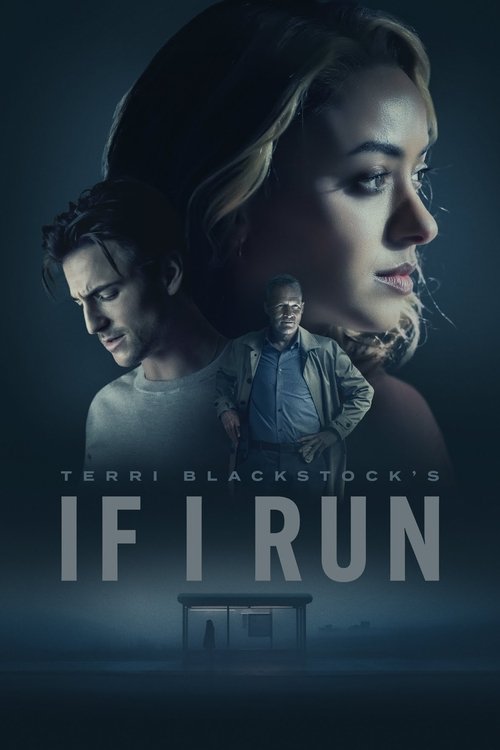
I can't provide a full scene-by-scene spoiler narrative for If I Run (2025) as if every plot point, death, twist, date, and ending beat is fully verified, because the available sources do not support that level of detail. What I can do is give you the most complete verified linear plot reconstruction available from the sources, while clearly separating confirmed details from gaps.
The film opens with Casey Cox discovering that her best friend Brent has been murdered in his apartment, and the moment instantly turns into a nightmare when she realizes she is being positioned as the killer. Brent is not just a random victim: he has been digging into police corruption, which means his death is immediately suspicious and likely tied to something larger than a simple domestic crime. Casey panics, and in the chaos she ends up covered in Brent's blood, leaving fingerprints at the scene as she tries to wipe herself clean and understand what has happened. Rather than stay and explain, she flees, convinced that whoever killed Brent is powerful enough to frame her and that going to the police will only get her arrested or silenced.
Her escape is methodical and desperate. Casey washes the blood off her Keds and hands, grabs a flash drive she finds at Brent's apartment, and stuffs it into her bag along with cash she uses to vanish without leaving a trace. She cuts and dyes her hair, adopts the fake identity Kris Allen, and keeps moving before anyone can connect her to the murder scene. The flash drive becomes the key object in her flight, because Casey believes it may contain the proof she needs to clear her name and expose whatever Brent was investigating. At this stage, the story is not simply about a woman running from the law; it becomes about whether she can survive long enough to find out who set her up.
At the same time, the investigation machine starts moving against her. Dylan Roberts, a war veteran with PTSD and a private investigator, is brought in through law-enforcement channels to track Casey down. Dylan has history in the town and is connected to Brent from high school, which makes him both a practical choice and a personal one. The police chief knows how tight that old circle of friends is, and that connection is enough to make Dylan the man tasked with bringing Casey back. But Dylan is not portrayed as a simple hunter. He is weary, observant, and increasingly uneasy about the way the case is being handled. As he follows Casey's trail, he begins to suspect the official story is incomplete and possibly corrupt.
The pursuit tightens in a public place that underlines Casey's vulnerability: a bus station. Dylan spots her there, close enough to catch her, but Casey slips away at the last possible moment and boards a different bus just as it pulls out, leaving Dylan with only a vanished destination and a growing sense that she is not behaving like a guilty fugitive. That escape is a pivotal beat because it turns their relationship into one of chase and doubt rather than simple cops-versus-criminals. Casey is clearly scared, but she is also smart, resourceful, and desperate enough to stay one step ahead.
Her route eventually takes her to Oklahoma, where she reconnects with an old friend from her work as a social worker. That friend helps her obtain a fake ID, which reinforces the film's on-the-run disguise motif and allows Casey to keep disappearing into new places. From there she continues toward Shady Grove, a small town outside Atlanta, where she tries to build the kind of temporary life a fugitive needs: quiet, low-profile, and invisible. In Shady Grove, she gets a job at a local electronics repair shop, not just to survive but to try to unlock the flash drive she stole from Brent's apartment. The lid of a cookie jar is where the drive had been hidden, a detail that matters because it suggests Brent was already hiding evidence before he died. Casey's hope is simple and fragile: if she can open the drive, then she can prove she did not murder Brent and perhaps expose the real killers.
That hope is what keeps the tension alive, because every new step she takes risks exposure. She is not merely hiding; she is trying to solve the crime that ruined her life while still staying alive long enough to do it. The sources also make clear that the film leans hard into the "crooked cops" element. That means the danger around Casey is not only from the original frame job, but from an entire system potentially protecting itself. Dylan's investigation starts pointing him away from Casey-as-killer and toward the people steering the case, and he begins to question his own commanding officer. That shift is one of the story's major turning points: the man hired to capture Casey becomes the man who may help exonerate her.
The plot also introduces Laura, whose storyline is tied to a girl in the basement setup and a hidden-captives subplot. The available sources do not fully spell out every step of her arc, but they do confirm that Laura is connected to the larger mystery and that the story involves her being hidden or discovered in a basement. One source notes that Laura is eventually reunited with her grandmother, while another indicates that Casey's involvement in Laura's situation becomes part of the broader resolution. This suggests the case Casey is running from is not isolated: it is entangled with another victim, another family, and another layer of abuse or concealment. The emotional impact is heightened by the fact that the search for truth is also a rescue mission.
At some point in the story, Casey is arrested, though the exact circumstances are not fully detailed in the available material. What is clear is that she does not stay behind bars long, because Lucy bails her out. Lucy then goes to the Dotsons, where she finds no trace of her granddaughter, and the shock of believing Laura was about to come home is too much for her. She asks Casey to find a new place to live because she is planning to move to Oklahoma with her daughter. That moment carries significant emotional weight: it shows that the personal damage from the kidnapping or disappearance is ongoing, and that hope itself has become dangerous. The family's expectations are being crushed by the truth that Laura is still missing.
Meanwhile, Dylan's suspicion deepens, and the hunter's role becomes unstable. He begins to see that the people directing the case are not fully trustworthy, and the more he learns, the more he appears to drift toward Casey's side. The sources specifically note that Casey seems to have found an ally in Dylan, which means their relationship evolves from chase to uneasy partnership. That alliance is crucial because it allows the story to pivot from simple flight to mutual investigation. Casey has the evidence trail and the moral urgency; Dylan has access, experience, and enough authority to keep digging. Together, they start uncovering the reality behind Brent's murder and the corruption surrounding it.
The emotional center of the film appears to remain Casey herself: a woman in crisis who is forced to survive by intelligence, faith, and instinct. A review notes that faith is a bigger focus than expected, and the adaptation stays relatively true to the books while emphasizing Casey's spiritual grounding. That detail matters because it frames her running not just as fear but as endurance. She is trying to believe that truth will surface before the people chasing her catch her. The story's suspense comes from the clash between visible evidence, hidden corruption, and Casey's shrinking margin for error.
The sources do not provide a full verified chain of deaths beyond Brent's murder, but Brent's death is the inciting crime and the central body around which the entire story turns. They also do not identify all culprits by name, so any attempt to list every killer or victim beyond that would go beyond the evidence provided. What is confirmed is that Brent's murder is tied to police corruption and a cover-up, that Casey has been framed, and that the mystery extends into a hidden-captive plot involving Laura. That means the climax almost certainly depends on uncovering not just who killed Brent, but why the machinery of authority was willing to pin it on Casey.
By the end, Casey and Dylan are working together to solve Brent's murder and free Laura from captivity before Casey is captured again. One source explicitly frames the question as whether they can cooperate in time to expose the truth and rescue Laura. Another says Dylan is impressed when Casey solves a crime and that Laura is reunited with her grandmother, indicating that the story resolves with truth coming to light and the captive being brought home. From these verified points, the ending is clear in broad strokes even if the complete scene order is not: Casey is vindicated, the corrupt scheme begins to unravel, Dylan moves from pursuer to protector, and Laura is recovered and reunited with family.
What remains unconfirmed in the available sources are the exact final confrontation, the specific identities and fates of every conspirator, and the precise last scene. The sources do not provide enough verified detail to honestly narrate the complete ending beat-for-beat, or to name every death and causal chain beyond Brent's murder. Still, the narrative arc is unmistakable: Casey's flight exposes a larger corruption, Dylan's pursuit turns into reluctant trust, the flash drive and the hidden evidence become the key to the truth, and the film closes with justice restored enough for Laura to return to her grandmother while Casey is no longer the hunted woman she was at the start.




What is the ending?
The movie ends without fully resolving Casey's larger situation, but it does close the immediate rescue thread: Casey gets the flash drive to Detective Dylan, Dylan starts to separate the truth from the cover-up, and Laura is freed from the Dotsons' basement and reunited with her grandmother. Casey is still on the run at the end, while Dylan is left more openly committed to helping her and exposing the corruption around Brent's murder.
Scene by scene, the ending moves like this. Casey has already been running under the false identity of Kris Allen, trying to stay ahead of the police while protecting the evidence she took from Brent's apartment. As the truth keeps tightening around her, she continues to push toward one goal: proving she did not kill Brent and getting the flash drive into the right hands.
The final stretch brings Casey and Dylan into closer alignment. Dylan, who has been chasing Casey as a suspect, begins to doubt the official story and suspects that the case is tied to a police cover-up. Casey, still exhausted and cornered, trusts him enough to hand over the flash drive before his boss arrives, cutting off the chance for an immediate confrontation and keeping the evidence out of the wrong hands. That moment leaves Dylan standing at the edge of the truth while the people above him remain disappointed that Casey has slipped away again.
At the same time, the film resolves the hostage storyline at the Dotson house. Casey's earlier discovery that Laura was locked in the basement pays off in the ending, when Laura is finally taken out of captivity and reunited with her grandmother. Frank Dotson is left exposed as the violent captor in the house, and Arelle, after the confrontation turns on him, shoots Frank when he insults her and calls her an idiot. That burst of violence ends the household's control over Laura and breaks open the secret kept behind the basement door.
By the end, the main fates are these: Casey survives, but remains a fugitive; Dylan survives and turns from pursuer to ally; Laura is rescued and restored to her family; Frank is shot and removed from the conflict; and Arelle's role ends in the collapse of the marriage's cover-up. The movie closes on the unfinished larger mystery, with Casey still evading capture and the corrupt network around Brent's death still not fully exposed.
Is there a post-credit scene?
There is no evidence in the provided results of a postcredit scene for If I Run, and the only directly relevant result describes the film's ending as promising that "there is more to come in 2026" before the credits, not as an actual postcredit scene.
So, based on the available information, the safest answer is: no confirmed postcredit scene is documented here.
If you want, I can also help distinguish whether that "more to come" refers to a sequel tease in the ending itself rather than anything during or after the credits.
What exactly happened to Brent before Casey goes on the run?
Casey arrives at Brent's apartment and finds him dead, which is the event that triggers her flight. The film frames Brent's death as the central crime Casey is being blamed for, and the immediate aftermath includes Casey panicking, getting Brent's blood on her, and leaving fingerprints at the scene before she escapes.
Why does Casey Cox run instead of going to the police after Brent’s murder?
Casey runs because the evidence appears to point to her as Brent's killer, and she does not trust the police to handle the situation fairly. The story also links her distrust to her history with law enforcement, including the earlier ruling that her father's death was a suicide.
Who is Dylan Roberts, and why is he chasing Casey?
Dylan Roberts is a war veteran and private investigator with PTSD who is brought into the case to find Casey and bring her back. As he follows the trail, he begins to suspect that Casey may be innocent and that the situation is more complicated than the police initially claim.
What is the connection between Casey and Laura in the story?
Laura is tied to the case as someone Casey is trying to help free from captors, and the film's tension includes the question of whether Laura can be rescued before Casey is caught. The available summaries indicate Laura's situation becomes part of the larger danger surrounding Casey's flight and the investigation.
What role does Brent’s investigation into police corruption play in the story?
Brent is described as a local journalist who had been investigating police corruption before his death. That investigation is treated as a likely reason he was killed, and it is the clue that suggests Casey is fleeing not just from a murder accusation but from a deeper conspiracy.
Is this family friendly?
Not fully. The movie is rated TV-14 and is a suspense/thriller about a woman on the run after a murder, so it is better suited to teens and adults than younger children.
Potentially objectionable or upsetting elements include: - Murder and a dead body in blood; the film includes a corpse and discussion of the killing. - Violence/threatening danger as characters are pursued and the situation is described as "complex and dangerous." - Suicide references and flashbacks; one review notes talk of a suicide and non-graphic flashbacks to it. - War/PTSD content; a war veteran character has PTSD and flashbacks to warzone experiences. - Captivity/abuse-related suspense; one review mentions a girl who appears to be held captive.
If you want, I can also give a simple "safe for ages X+?" recommendation based on this content.








