







Popular
Why does Violette become suspicious about the sounds coming from Florence’s apartment, and what does she think is happening next door?
What exactly changes in Florence after she stops taking her antidepressants?
How do Florence and Violette become close enough to influence each other’s choices?
What is Benoit doing while Violette believes he is away on business trips?
Who is the delivery man or tradesman, and why does his encounter with Florence matter to the story?
Should I watch it?
Ask Your Own Question

What is the plot?
Bombs fall over Rome as the story opens. Cesira, a widow who runs a small shop in the city, moves through the smoke and debris with her twelve-year-old daughter Rosetta at her side. They weave past ruined facades and shuttered storefronts, clutching what they can carry. Cesira speaks quietly to Rosetta about survival and faith; the girl answers with a steadiness that mirrors her mother's resolve. Before they leave the capital, Cesira hands the keys of her shop to Giovanni, a local coal merchant and friend who promises to look after the business until they return. He presses a coin into Cesira's hand and calls after them as they join a line of civilian refugees moving toward the countryside, the Allied bombing campaign throwing the city into chaos.
They travel toward Ciociaria, the mountainous, rural region where Cesira remembers a simpler past. The landscape opens into winding dirt roads, olive groves, and small hamlets; the air seems to clear away the dust and gunfire of Rome. Cesira and Rosetta take shelter in a modest house among villagers who offer them food and a room. In the evenings, Cesira tells Rosetta stories of better days in the city and hums hymns; Rosetta listens with a child's eagerness and takes comfort in the routine.
In the village Cesira meets Michele, a striking young man whose conversation is more political than the villagers expect. He reads newspapers and speaks with a fervor that marks him as aligned with leftist, communist ideas. Michele is not physically imposing; his appeal comes from his intelligence and the quiet conviction of his beliefs. He spends hours talking with Cesira about books and with Rosetta about geography and history, guiding the girl's curiosity. Rosetta begins to look up to him as a protective figure, a substitute paternal presence in the absence of Cesira's deceased husband. Michele, who has a gravitas that both challenges and comforts Cesira, takes on the role of a steady companion; he helps Cesira with chores, accompanies her to the market, and reads the news aloud in the evenings.
As Allied and Axis lines shift across the country, danger creeps back into the lives of these refugees. German patrols move through the region. One day, while Michele is traveling with a small group of local men to scout the roads or assist partisan operations, German soldiers arrest him. The soldiers treat him with suspicion and brutality; they bind him and force him to act as a guide, putting him in the front as they move through unfamiliar terrain. Under duress and guarded by armed men, Michele leads them along mountain paths. At some point during this forced march, German troops execute him. They shoot Michele; the bullets end his life and leave his body where the road bends. Villagers later tell Cesira the grim facts: German soldiers killed Michele by shooting him while he was compelled to serve as their guide. The news reaches Cesira as she tries to maintain a semblance of normalcy for Rosetta; she hears reports from neighbors, who lower their voices and stare at the ground when his name is mentioned.
When Allied forces advance and Allied control begins to supplant German occupation, Cesira decides to take Rosetta back to Rome. She wants to reclaim her shop and return to their life in the city. They join a flow of civilians heading home. By June 1944 the Allies have reentered Rome and many people return to their neighborhoods, sifting through rubble and salvaging whatever remains. Cesira and Rosetta walk back into the capital amid fractured streets and the smell of smoke; many buildings stand gutted and churches wear the scars of shelling.
Inside a damaged church they seek shelter and respite from the confusion that has come with liberation. The church's interior holds pews that are cracked and a battered altar, but it offers a sense of sanctity and safety. While they sit quietly, relief and weariness etched on their faces, a unit of Moroccan Goumiers--irregular colonial soldiers allied to the Allied forces--enters the church. The Goumiers are described by locals as fierce fighters; their arrival, initially met with gratitude by some for their role in the liberation, quickly turns menacing for Cesira and Rosetta. The soldiers move through the pews, their mood shifting from triumph to predation.
A group of these Goumiers begins to harass the women sheltering in the church. They surround Cesira and Rosetta, dragging them from the safety of the pews. The soldiers separate the two; physical force and intimidation rip through the sanctity of the place. They assault Cesira and Rosetta inside the church. The attack is brutal and humiliating; the women are unable to fight off their assailants. The soldiers commit sexual violence against both mother and daughter. The assault shatters Rosetta's composure; she recoils inward while Cesira tries to protect her child, but the force and number of the attackers prevent effective resistance. The attackers move on after the assault, leaving the two women collapsed on the cold stone floor, their clothes torn, breath shallow and ragged.
In the immediate aftermath, Cesira tends to Rosetta's physical wounds as best she can in a ruined city. She wraps torn fabric around lacerated skin and presses whispered comforts into her daughter's ear. Rosetta does not speak. She sits apart, staring as if something inside her has shut away. Cesira kneels across from her, forcing movement into her body, trying to elicit a reaction. Rosetta's face remains composed but hollow. The attack has stripped something essential from the child; she no longer responds with the faith and curiosity that once buoyed her.
After leaving the church, Cesira and Rosetta take refuge in a nearby village where other civilians gather in makeshift quarters. They find a small room and attempt to rebuild a routine. When night falls, Cesira checks the window and the door and lies awake listening for footsteps. In the darkness, Rosetta slips away. Cesira discovers her daughter missing and bursts into panic. She searches the village, calling Rosetta's name through alleyways and across fields. Her calls echo unanswered. Villagers emerge to help; a neighbor fetches a lantern and the men spread out into the hills. Cesira's voice grows rough with fear as she pleads for anyone who has seen her daughter to speak.
Rosetta remains away for an entire night. When she returns at dawn, she carries something that immediately draws Cesira's attention: a pair of silk stockings, wrapped with the cautious pride of someone who believes they have found a treasure. Rosetta presents them to her mother without explanation, fingers fumbling with the delicate fabric. Cesira stares in disbelief and anger; silk stockings are a luxury and a mark of femininity that Rosetta should not be ready to claim. Cesira sees the stockings as evidence of a violation she has not yet been able to accept, and she lashes out physically and verbally. She slaps Rosetta and reprimands her harshly, demanding to know who gave her the stockings. Rosetta answers with a measured detachment, saying simply that an older boy gave them to her. Her voice carries neither shame nor sorrow at first; only a numbness that prevents tears.
In the days that follow, Cesira presses Rosetta for details, but the girl speaks in fragments and silences. Her emotional numbness becomes a barrier between mother and daughter. Cesira attempts to force conversations and to restore their former closeness through chores and songs, but Rosetta withdraws into herself, refusing to cry or to be comforted. Cesira herself feels the weight of shame and helplessness borne from the assault; she lashes out at Rosetta not only from disbelief but from her own fractured inability to process what has happened.
One afternoon, villagers arrive to tell Cesira in hushed, grave tones about Michele. They explain how German soldiers had taken him and how they saw him later, forced along with them as a guide. The villager describes the moment the Germans turned their guns on him and shot him while he tried to lead them through the hills. Cesira hears these words and her body recoils; her hands tighten on the fabric she is mending. Michele's death becomes a concrete fact she can name aloud, and the crushing finality of it fractures her reserve. She collapses into a chair and weeps, the tears that she has held back up to this point finally breaking free.
When Cesira tells Rosetta about Michele's murder, the girl's composed façade begins to crack. At first Rosetta hides her face behind her hands, then her shoulders shake with the force of suppressed sobs. She begins to cry openly, a sound that had been absent from her since the assault. The grief she shows for Michele is immediate and raw; she had formed a deep attachment to him as a protector and guide, and his violent death compounds the trauma already inflicted by the Goumiers. Cesira wraps her arms around Rosetta and holds her tightly. The two women cling to one another while Rosetta's sobs ebb and flow. They sit together in that embrace for a long time, Cesira whispering names and the small comforts she can offer, Rosetta letting out the grief that had been lodged within her chest.
After that moment, the two remain physically together more often than before. They walk the streets of Rome with their shoulders touching, return to the shop that Giovanni has kept safe, and sift through the remnants of their old life. Cesira begins the work of mending clothes and bartering with customers who come and go, while Rosetta helps in small, mechanical ways--handing down bolts of fabric, counting coins--without the earlier joyful curiosity. They both carry the memory of Michele and the physical and emotional wounds inflicted in the church. Cesira, who had been fiercely protective to begin with, grows more attentive and more fearful; she watches Rosetta with a vigilance born of the knowledge of what the world can do to them. Rosetta, in turn, keeps her distance emotionally, punctuated by moments when she will suddenly allow her grief to surface.
In the final scenes, Cesira and Rosetta stand together in a room that looks out over a street where children play and laundry hangs to dry. The city moves forward around them--vendors call, carts rattle--but inside the room time seems to have slowed. Rosetta sits on the edge of a bed, silk stockings folded carefully beside her as if they were more relic than accessory; Cesira sits close and takes her daughter's hand. They do not speak at first. Then Cesira tells Rosetta, in a voice stripped of all pretense, that Michele is gone and that he was killed by German soldiers when they forced him to guide them. She names the violence that took him. Rosetta responds with a soft, keening sorrow; she reaches up and wipes her mother's cheek with the back of her hand as if she can return a favor of comfort. They sink into one another, the embrace forming a barrier against the harshness they have endured.
The film ends with Cesira and Rosetta holding each other in that long, tremulous hug. Outside, life in Rome continues to rebuild; inside, the two women bear the indelible marks of war and the violent acts they have suffered. Their faces show exhaustion and the traces of grief, but in the close hold they find a fragile, mutual refuge. The camera lingers on them embracing, the final frame capturing the two women bound together by loss, by survival, and by the knowledge that the world they return to will demand they live on despite the violence they have endured.






What is the ending?
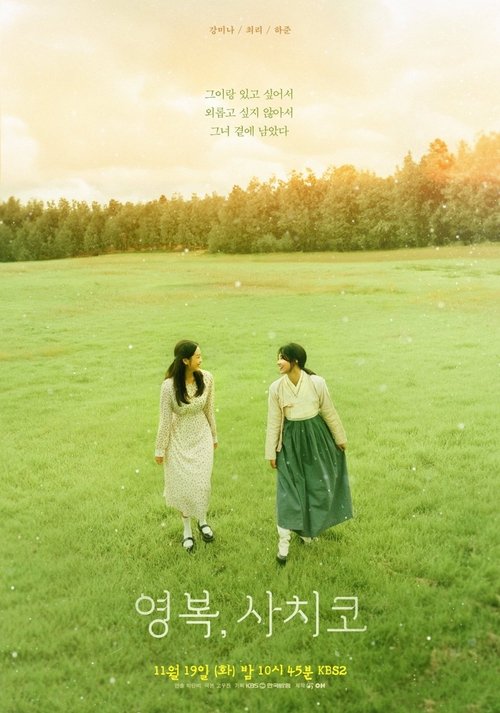
The ending of The Two Women is bittersweet: after Seo Rim dies at his desk, Youngbok is left grieving, and when Sachiko's baby arrives, the two women gradually come together in shared care for the child. By the end, their hostility softens into an uneasy but real bond, and the story closes with them changed by loss, motherhood, and survival.
Youngbok stands in the quiet after Seo Rim's death and has to absorb the shock of suddenly becoming a widow-like figure in a house that has already been emptied by grief. Her first response is not tenderness but anger, because Sachiko's presence is tied to the man she has just lost and to the wartime pain carried into her own life. Sachiko, pregnant and stranded, arrives with nowhere to go and no easy path back to Japan, so the conflict becomes immediate: one woman has lost a husband, the other is carrying the child of the dead man. As the pregnancy continues and the baby is born, the tone of the house shifts. The infant becomes the one living thing both women must face together, and Youngbok begins to feel the child's helplessness in her hands and arms. Sachiko, too, changes as she is forced to stay, endure, and watch the baby bind her to Youngbok. In the final stretch, the sharp edges between them wear down through routine care, long walks, and the daily burden of keeping the child alive. The ending leaves both women with the baby in their shared emotional space, no longer enemies in the same way, but people carrying the same loss into the future.
Chronologically, the ending begins with Seo Rim dead at his desk in the study. Youngbok discovers him and is left stunned in the stillness of the room, the body sitting where his work and private life have ended all at once. The house becomes heavy with grief, and Youngbok has to continue living in it while carrying that shock.
After that, Sachiko remains in the home while pregnant, with no money and no clear way to return to Japan. The situation forces Youngbok and Sachiko into close contact even though they do not trust each other. Their relationship is strained, and their feelings are plain: Youngbok is bitter and wounded, while Sachiko is vulnerable, isolated, and trapped by circumstance. Neither woman can simply leave the other behind.
Then the baby is born. This changes the house again. The child gives the ending its shape, because from that point on the two women are no longer only arguing over a dead man and a painful past. They must respond to a living infant who depends on them. The baby's presence pulls them into the same daily rhythm, and the emotional atmosphere softens in small but visible ways. Youngbok begins to find herself drawn toward the baby, and Sachiko, instead of remaining only an intruder, starts to become someone who shares the burden of care.
In the final movement, the two women take walks together and look after the child side by side. What had been hostility becomes cooperation, then something quieter and more human. The ending does not erase the loss that brought them there. Seo Rim remains dead, Youngbok remains bereaved, and Sachiko remains tied to a painful and uncertain future. But the story closes with the women no longer locked only in conflict. The baby stays with them at the center of the ending, and both women are left changed by the responsibility they now share.
Is there a post-credit scene?
There is no reliable evidence in the available results that the 2024 film Two Women has a post-credit scene. The sources about this film focus on its festival release, reviews, and production details, but none describe any mid-credits or post-credits material.
If you mean the Canadian 2025 film Two Women that premiered at Sundance and was later reviewed in 2026, the available coverage still does not mention a post-credit scene.
So, based on the sources provided, the safest answer is: no confirmed post-credit scene is documented for Two Women.
Why does Violette become suspicious about the sounds coming from Florence’s apartment, and what does she think is happening next door?
Violette, newly stuck in the exhausting routine of maternity leave and neglected by her husband, is already tense and lonely when she starts hearing strange birdlike sounds coming through the wall. That noise becomes a point of fixation because she cannot make sense of it, and her imagination turns it into a sign that Florence is having loud, uninhibited sex or even deliberately performing for someone's attention. The suspicion pulls Violette out of her own numbness and into Florence's private world.
What exactly changes in Florence after she stops taking her antidepressants?
Florence's emotional and physical state shifts sharply once she stops her medication: the flat, dulled version of herself gives way to a sudden, forceful return of desire. She becomes more alert, more restless, and far less willing to accept her joyless domestic life. The change is not subtle in the story; it is presented as a kind of awakening that surprises even the people closest to her, especially her partner David.
How do Florence and Violette become close enough to influence each other’s choices?
Their bond grows out of shared dissatisfaction rather than instant friendship. As next-door neighbors, they begin confiding in each other about loneliness, sexual frustration, and the humiliations of their relationships, and that mutual honesty creates an unusual intimacy. Once Florence starts acting on her desires, Violette finds herself both shocked and fascinated, and Florence's boldness becomes a model that Violette begins to consider for herself.
What is Benoit doing while Violette believes he is away on business trips?
Benoit is not simply away working. He is secretly cheating on Violette with a younger coworker, using the pretense of business travel to cover his affair. That deception deepens Violette's isolation because her daily exhaustion is being matched by a hidden betrayal she does not yet fully see.
Who is the delivery man or tradesman, and why does his encounter with Florence matter to the story?
The delivery man becomes important because he is the first stranger through whom Florence acts on her revived desire. Their encounter is sudden, impulsive, and liberating for her, showing that she is no longer content to live as if her body and appetite do not exist. That moment matters because it pushes the story from private frustration into open experimentation and gives Violette a vivid example of what breaking routine might look like.
Is this family friendly?
No, it does not look family friendly. The film's parental-guide material describes severe sex and nudity, along with moderate alcohol/drug use and mild profanity.
Potentially objectionable or upsetting content for children or sensitive viewers includes: - Frontal nudity and breasts/buttocks visible in multiple scenes - Sexual activity and strongly sexually suggestive situations - Sexual language and references - Alcohol-related behavior, including intoxication and recreational use - A reported scene where a woman, while very inebriated, cuts her arm with a broken bottle, with visible blood - Some reviews describe the film as a sex comedy centered on monogamy and desire, which may make its themes inappropriate for younger audiences
If you want, I can also give you a very short "kid suitability" verdict by age range.








