




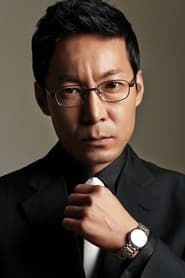
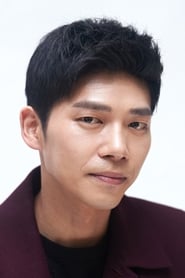


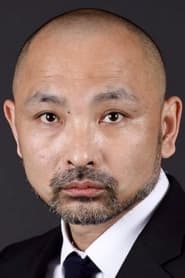
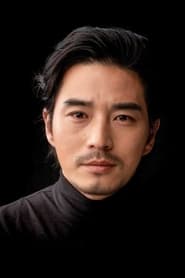




Popular
What motivates the main character, Tae-yul, to become a swordsman?
How does the relationship between Tae-yul and his daughter evolve throughout the film?
What role does the character of the assassin, who is after Tae-yul, play in the story?
How does the film depict the conflict between the Joseon dynasty and the Qing dynasty?
What is the significance of the sword fights in the film, particularly Tae-yul's final duel?
Should I watch it?
Ask Your Own Question

What is the plot?
Sorry, we aren't able to watch and write up a full detailed plot yet. Check back in a few days.



What is the ending?
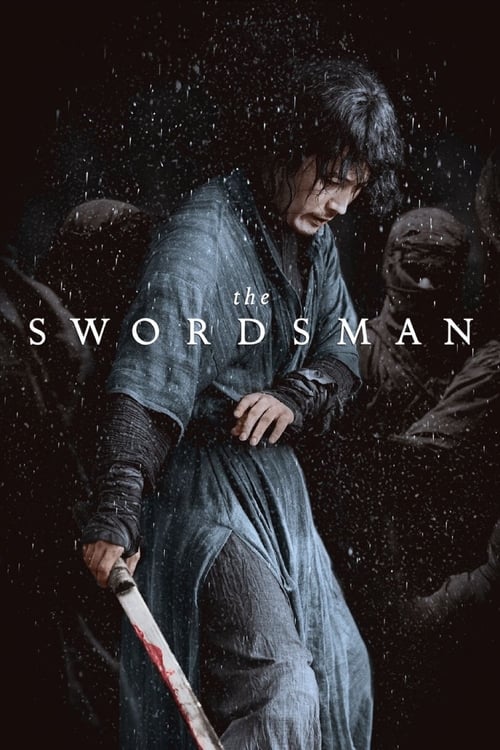
In the ending of "The Swordsman," the protagonist, Tae-yul, faces off against his enemies to protect his daughter and confront his past. After a fierce battle, he ultimately sacrifices himself to ensure his daughter's safety, leaving her with a sense of hope for the future.
As the climax unfolds, the scene opens with Tae-yul, the once-great swordsman, now a weary man haunted by his past. He stands resolute, knowing that the confrontation with the rival factions is inevitable. The air is thick with tension as he prepares to defend his daughter, who has been taken hostage by the powerful and ruthless group led by the antagonist, the Qing dynasty's assassin, who seeks revenge against him.
The first significant moment occurs when Tae-yul, armed with his sword, enters the dimly lit courtyard where the final showdown is set to take place. The atmosphere is charged with anticipation, and the shadows cast by flickering torches create an ominous backdrop. Tae-yul's heart races, not just from the adrenaline of battle but from the fear of what might happen to his daughter if he fails. His internal struggle is palpable; he is torn between the desire to protect her and the weight of his past sins.
As the fight begins, Tae-yul showcases his exceptional swordsmanship, moving with a blend of grace and desperation. Each clash of swords echoes through the night, a testament to his skill and determination. The choreography of the fight is intense, with Tae-yul dodging and parrying attacks, his face a mask of concentration and pain. He is not just fighting for his life but for the future of his daughter, who watches from a distance, her eyes wide with fear and admiration.
In a pivotal moment, Tae-yul faces the assassin, a figure shrouded in darkness and malice. Their duel is fierce, each strike filled with the weight of their shared history. The assassin taunts Tae-yul, reminding him of his past failures and the lives lost due to his choices. This moment serves as a reflection of Tae-yul's internal conflict; he is not just battling an enemy but also confronting the ghosts of his past.
As the fight reaches its climax, Tae-yul realizes that he cannot win without making the ultimate sacrifice. In a heart-wrenching decision, he chooses to protect his daughter at all costs. With a final surge of strength, he manages to defeat the assassin but is mortally wounded in the process. The scene is heavy with emotion as Tae-yul falls to the ground, bloodied and exhausted, yet a sense of peace washes over him. He knows he has done everything he can to secure his daughter's future.
In the aftermath, the camera shifts to his daughter, who rushes to his side, tears streaming down her face. Tae-yul, with his last breath, imparts words of love and encouragement, urging her to live a life free from the burdens he carried. This moment encapsulates the film's emotional core, highlighting the themes of sacrifice, redemption, and the enduring bond between parent and child.
As the sun rises, casting a warm glow over the scene, Tae-yul's daughter stands alone, holding her father's sword. The weight of her loss is evident, but there is also a flicker of hope in her eyes. She vows to honor her father's legacy, suggesting that while he may be gone, his spirit and teachings will live on through her.
The film concludes with a poignant shot of her walking away from the battlefield, symbolizing a new beginning. Tae-yul's fate is sealed; he has sacrificed himself for love, while his daughter is left to navigate a world forever changed by his choices. The final scene serves as a powerful reminder of the impact of one's actions and the enduring strength of familial love.
Is there a post-credit scene?
The movie "The Swordsman," produced in 2020, does not have a post-credit scene. The film concludes its narrative without any additional scenes after the credits roll, focusing instead on the resolution of the main storyline and the fates of the characters involved. The ending emphasizes the themes of sacrifice, loyalty, and the consequences of a life dedicated to swordsmanship, leaving the audience with a sense of closure regarding the characters' journeys.
What motivates the main character, Tae-yul, to become a swordsman?
Tae-yul, played by Jang Hyuk, is driven by a deep sense of duty and love for his daughter, who is his sole family after the loss of his wife. His desire to protect her and provide for her safety in a tumultuous world fuels his commitment to mastering the sword, despite his declining health and the challenges he faces.
How does the relationship between Tae-yul and his daughter evolve throughout the film?
Initially, Tae-yul's relationship with his daughter is marked by a protective instinct, as he tries to shield her from the dangers of their world. As the story progresses, their bond deepens, showcasing moments of tenderness and vulnerability, especially as they confront the threats posed by rival factions and the emotional toll of Tae-yul's past.
What role does the character of the assassin, who is after Tae-yul, play in the story?
The assassin, played by Lee Na-kyung, serves as a formidable antagonist who embodies the relentless pursuit of power and revenge. Her motivations are intertwined with Tae-yul's past, as she seeks to settle scores and challenge his skills, ultimately pushing him to confront his own demons and the consequences of his choices.
How does the film depict the conflict between the Joseon dynasty and the Qing dynasty?
The film intricately weaves the historical backdrop of the Joseon and Qing dynasties into its narrative, showcasing the political tensions and power struggles that affect the characters' lives. This conflict serves as a catalyst for the characters' actions, particularly Tae-yul's, as he navigates the dangers posed by both the political landscape and personal vendettas.
What is the significance of the sword fights in the film, particularly Tae-yul's final duel?
The sword fights in 'The Swordsman' are not just physical confrontations; they symbolize Tae-yul's internal struggles and his journey towards redemption. The final duel is particularly significant as it represents the culmination of his skills, his emotional state, and his commitment to protect his daughter, showcasing both the artistry of martial combat and the weight of his choices.
Is this family friendly?
"The Swordsman," produced in 2020, is not considered family-friendly due to its mature themes and intense action sequences. Here are some potentially objectionable or upsetting aspects that may affect children or sensitive viewers:
-
Violence and Bloodshed: The film features numerous sword fights and battle scenes that are graphic in nature, showcasing injuries and blood.
-
Death and Loss: Characters experience significant loss, including the deaths of loved ones, which may be emotionally distressing.
-
Themes of Betrayal: The narrative includes elements of betrayal and revenge, which can be heavy and complex for younger audiences to process.
-
Mature Language: There are instances of strong language that may not be suitable for children.
-
Emotional Turmoil: Characters undergo intense emotional struggles, including grief and despair, which could be upsetting for sensitive viewers.
Overall, the film's content is geared towards a mature audience, and parental discretion is advised.









