





















Popular
What are the main character traits of Jennifer Walters as She-Hulk?
How does Jennifer Walters acquire her powers to become She-Hulk?
What role does Bruce Banner play in Jennifer's transformation into She-Hulk?
Who are the key supporting characters in She-Hulk's story, and what are their relationships with Jennifer?
What challenges does Jennifer face in her legal career as She-Hulk?
Should I watch it?
Ask Your Own Question

What is the plot?
Sorry, we aren't able to watch and write up a full detailed plot yet. Check back in a few days.
More Movies Like This
Browse All Movies →






What is the ending?
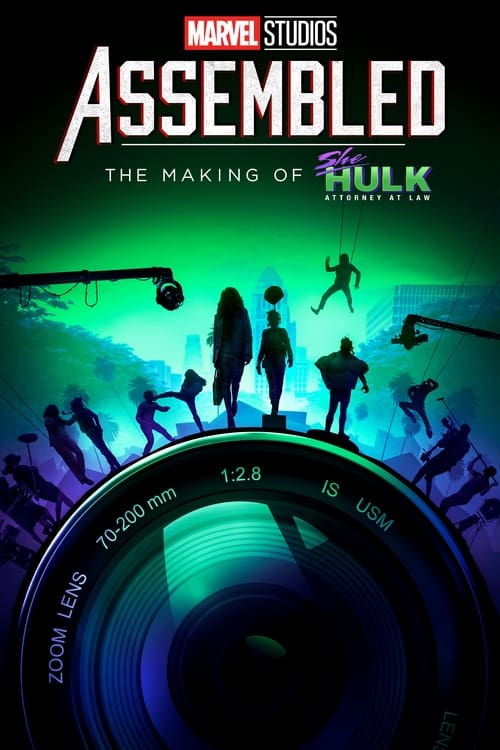
The ending of "Marvel Studios Assembled: The Making of She-Hulk: Attorney at Law" showcases the culmination of the series' production journey, highlighting the creative process behind bringing the character of She-Hulk to life. The documentary concludes with reflections from the cast and crew on their experiences, emphasizing the themes of empowerment and the unique blend of humor and legal drama that defines the show.
In a more detailed narrative, the ending unfolds as follows:
As the documentary progresses towards its conclusion, the camera captures the final days of filming for "She-Hulk: Attorney at Law." The atmosphere on set is a mix of excitement and nostalgia, as cast and crew members reflect on the journey they have taken together. Tatiana Maslany, who portrays Jennifer Walters, shares her emotional connection to the character, expressing how playing She-Hulk has allowed her to explore themes of identity and empowerment.
In a series of behind-the-scenes clips, we see the intricate choreography involved in the action sequences, showcasing the physicality required for the role. The visual effects team discusses the challenges of creating She-Hulk's CGI transformation, emphasizing the importance of making her character feel authentic and relatable.
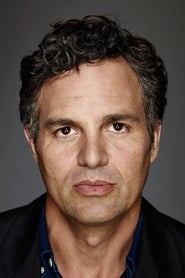
As the final scenes are shot, the camaraderie among the cast is palpable. Mark Ruffalo, who reprises his role as Bruce Banner, shares a heartfelt moment with Maslany, highlighting the mentorship dynamic between their characters. The crew members, from costume designers to directors, express their pride in the project, noting how it pushes boundaries within the superhero genre.
The documentary culminates in a celebratory wrap party, where the cast and crew come together to commemorate their hard work. Laughter and joy fill the air as they share stories and memories from the production. Maslany reflects on the impact of She-Hulk as a character who balances humor with serious themes, emphasizing the importance of representation in the superhero landscape.
As the credits roll, the documentary leaves viewers with a sense of fulfillment, showcasing not just the making of a show, but the collaborative spirit that brought She-Hulk to life. The final shots highlight the character's journey, leaving audiences eager for her future adventures in the Marvel Cinematic Universe. Each main character, including Jennifer Walters, Bruce Banner, and the supporting cast, is left in a place of growth and readiness for what lies ahead, embodying the show's core message of resilience and empowerment.
Is there a post-credit scene?
"Marvel Studios Assembled: The Making of She-Hulk: Attorney at Law" does not contain a post-credit scene. The documentary focuses on the behind-the-scenes aspects of the series, including interviews with the cast and crew, insights into the creative process, and the challenges faced during production. It provides a comprehensive look at how the show was brought to life, rather than including any additional narrative content typical of post-credit scenes in Marvel films.
What are the main character traits of Jennifer Walters as She-Hulk?
Jennifer Walters, portrayed by Tatiana Maslany, is characterized by her intelligence, wit, and strong sense of justice. As a lawyer, she is dedicated to her profession, often balancing her legal career with her newfound powers as She-Hulk. Her emotional journey reflects her struggle to embrace her dual identity, showcasing her resilience and humor in the face of challenges.
How does Jennifer Walters acquire her powers to become She-Hulk?
Jennifer Walters acquires her powers after receiving a blood transfusion from her cousin, Bruce Banner, also known as the Hulk. This transfusion imbues her with gamma radiation, transforming her into She-Hulk. The process is depicted as both a physical and emotional turning point for her, as she grapples with the implications of her new abilities.
What role does Bruce Banner play in Jennifer's transformation into She-Hulk?
Bruce Banner, played by Mark Ruffalo, serves as both a mentor and a source of conflict for Jennifer. He helps her understand her powers and the responsibilities that come with them. Their interactions are filled with a mix of familial support and the tension of Bruce's own struggles with his Hulk persona, which influences how Jennifer perceives her transformation.
Who are the key supporting characters in She-Hulk's story, and what are their relationships with Jennifer?
Key supporting characters include Nikki Ramos, Jennifer's best friend and confidante, who provides emotional support and comic relief; and Mallory Book, a fellow lawyer who challenges Jennifer professionally. Their relationships highlight themes of friendship, rivalry, and the complexities of navigating personal and professional lives in the legal world.
What challenges does Jennifer face in her legal career as She-Hulk?
Jennifer faces numerous challenges in her legal career, including prejudice and skepticism from colleagues and clients who doubt her abilities due to her dual identity. She must navigate the complexities of being a superhero while maintaining her credibility as a lawyer, often leading to conflicts that test her skills and resolve.
Is this family friendly?
"Marvel Studios Assembled: The Making of She-Hulk: Attorney at Law" is generally family-friendly, as it is a behind-the-scenes documentary that explores the making of the series. However, there are a few aspects that might be considered objectionable or upsetting for children or sensitive viewers:
-
Mature Themes: The documentary discusses themes related to identity, gender, and societal expectations, which may be complex for younger audiences to fully grasp.
-
Language: There may be occasional strong language used by cast and crew members during interviews, reflecting the casual nature of behind-the-scenes discussions.
-
Visual Effects and Action Sequences: While not graphic, there are discussions about the visual effects used to create action scenes, which might be intense for some viewers.
-
Emotional Moments: The documentary includes candid reflections from the cast and crew about their experiences, which may evoke strong emotions related to personal struggles or industry challenges.
Overall, while the content is not explicitly inappropriate, parents may want to consider these elements when deciding if it's suitable for younger viewers.








