
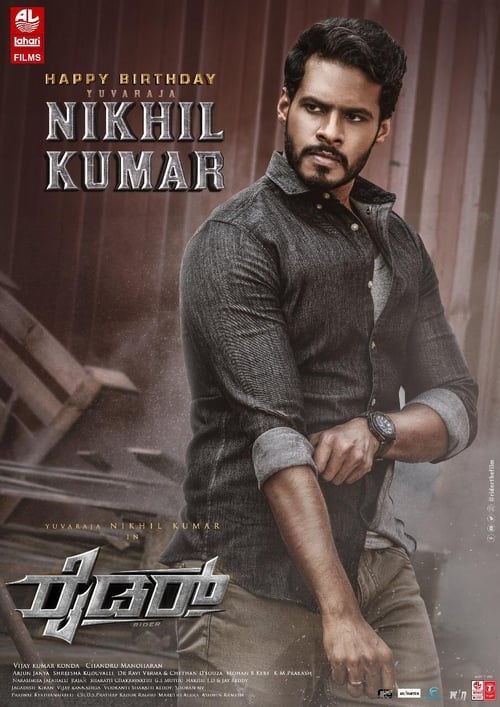







Popular
What challenges does the main character face in the film Rider?
How does Brady's relationship with his father evolve throughout the film?
What role does Brady's friendship with Lane play in the story?
How does the setting of the South Dakota landscape impact the film's narrative?
What is the significance of the rodeo events in Brady's journey?
Should I watch it?
Ask Your Own Question

What is the plot?
Sorry, we aren't able to watch and write up a full detailed plot yet. Check back in a few days.


What is the ending?
In the ending of the movie "Rider," the protagonist, a young rodeo rider named Brady, faces the reality of his injuries and the limitations they impose on his life. He ultimately decides to let go of his dreams of riding professionally and embraces a new path, finding solace in his connection with his family and the people around him.
As the film draws to a close, Brady is seen working with horses, finding a sense of purpose in caring for them rather than competing. The final scenes depict him at peace with his decision, as he watches the sunset, symbolizing a new beginning.
As the film nears its conclusion, we find Brady, the young rodeo rider, grappling with the aftermath of a severe head injury sustained during a competition. The emotional weight of his situation is palpable as he navigates the challenges of his new reality. The scene opens with Brady sitting on the porch of his family's home, the sun casting a warm glow over the landscape, but the shadows of his dreams linger heavily in the air.
Brady's father, a figure of quiet strength, enters the scene, and they share a moment of unspoken understanding. The bond between them is evident, yet the unfulfilled aspirations of both men hang in the balance. Brady's father has always been supportive, but the weight of Brady's injury has shifted their dynamic. Brady's internal struggle is clear; he longs to ride again, to feel the rush of competition, but he is also acutely aware of the risks involved.
In the following scene, Brady visits the rodeo grounds, where he watches other riders compete. The thrill of the sport is intoxicating, yet it serves as a painful reminder of what he has lost. He stands at the edge of the arena, his heart racing as he witnesses the excitement, but he is also filled with a sense of longing and loss. The camera captures his conflicted emotions, the joy of the sport clashing with the reality of his limitations.
Later, Brady has a heartfelt conversation with his sister, who has been a constant source of support throughout his journey. They discuss the future, and Brady expresses his fears and uncertainties. His sister encourages him to find a new path, to embrace the life he has ahead of him, even if it looks different from what he had envisioned. This moment of vulnerability deepens their relationship, showcasing the importance of family in times of crisis.
As the film progresses, Brady begins to shift his focus from riding to working with horses in a different capacity. He finds solace in caring for them, developing a bond that is both healing and fulfilling. The scenes of him grooming and training the horses are filled with tenderness, illustrating his deep connection to these animals. The cinematography captures the beauty of the horses and the serene environment, contrasting with the chaos of the rodeo world he once knew.
In the final scenes, Brady stands outside, watching the sunset. The sky is painted with vibrant hues, symbolizing hope and new beginnings. He reflects on his journey, the struggles he has faced, and the acceptance of his new reality. The camera lingers on his face, revealing a sense of peace and resolution. He may not be riding in competitions anymore, but he has found a new purpose in life.
The film concludes with Brady embracing his new role, surrounded by family and friends who support him. The final shot captures him smiling, a stark contrast to the pain and uncertainty that once clouded his life. The fate of Brady is one of acceptance and growth, as he learns to navigate life beyond the rodeo, finding joy in the simple moments and the connections he has forged with those around him.
Is there a post-credit scene?
The movie "Rider," produced in 2021, does not feature a post-credit scene. The film concludes its narrative without any additional scenes or content after the credits roll. The story wraps up in a way that leaves the audience with a sense of closure regarding the characters and their journeys, focusing on the emotional and thematic resolutions established throughout the film.
What challenges does the main character face in the film Rider?
The main character, a young rodeo rider named Brady Blackburn, faces numerous challenges throughout the film. After a severe injury during a rodeo event, he struggles with the physical limitations imposed on him, as well as the emotional turmoil of being unable to ride. He grapples with the pressure of returning to the sport he loves while dealing with the reality of his injury and the potential for a life without rodeo. Additionally, Brady navigates the complexities of his relationships with his family, particularly his father, and his friends, who have differing opinions on his future.
How does Brady's relationship with his father evolve throughout the film?
Brady's relationship with his father, who is also a former rodeo rider, is strained and complex. Initially, his father is supportive but also expresses concern about Brady's safety and the risks associated with riding again after his injury. As the story progresses, Brady's determination to return to rodeo creates tension, leading to confrontations where they express their fears and desires. Ultimately, the relationship evolves as they both come to understand each other's perspectives, culminating in a moment of mutual respect and understanding.
What role does Brady's friendship with Lane play in the story?
Brady's friendship with Lane, who is also a rodeo rider but has faced his own challenges, serves as a crucial emotional anchor in the film. Lane, who is paralyzed from an accident, represents both the risks of the sport and the bond of camaraderie among riders. Their conversations often delve into the realities of their injuries and the shared love for rodeo, highlighting the emotional struggles they face. Lane's encouragement and understanding help Brady confront his fears and ultimately influence his decisions about returning to riding.
How does the setting of the South Dakota landscape impact the film's narrative?
The South Dakota landscape plays a significant role in the film, serving as both a backdrop and a character in its own right. The vast, open plains and rugged terrain reflect Brady's internal struggles and desires for freedom and connection to nature. The stark beauty of the landscape contrasts with his emotional turmoil, emphasizing themes of isolation and longing. Key scenes, such as Brady riding through the fields or reflecting by the mountains, are visually striking and enhance the narrative by grounding his journey in the physical world.
What is the significance of the rodeo events in Brady's journey?
The rodeo events are central to Brady's identity and serve as pivotal moments in his journey. They symbolize not only his passion and skill but also the risks and consequences of the sport. Each event he participates in or watches evokes a mix of nostalgia, fear, and determination. The rodeo becomes a metaphor for his struggle to reclaim his sense of self after injury, as he must confront both the thrill of competition and the reality of his limitations. The events also highlight the community aspect of rodeo culture, showcasing the support and camaraderie among riders.
Is this family friendly?
"Rider," produced in 2021, is a film that explores themes of grief, loss, and the complexities of human relationships, particularly through the lens of a family dealing with the aftermath of a tragedy. While the film is rich in emotional depth and character development, it does contain elements that may not be suitable for younger audiences or sensitive viewers.
-
Themes of Grief and Loss: The film delves deeply into the emotional turmoil of characters dealing with the death of a loved one, which may be distressing for children or those sensitive to themes of mortality.
-
Intense Emotional Scenes: There are moments of heightened emotional conflict, including arguments and expressions of deep sorrow, which could be overwhelming for younger viewers.
-
Depictions of Vulnerability: Characters experience significant vulnerability and moments of despair, which may evoke strong feelings and could be upsetting for some.
-
Mature Conversations: The dialogue includes discussions about life, death, and personal struggles that may not be easily understood by children.
-
Visuals of Sadness: The cinematography captures somber and melancholic visuals that reflect the characters' emotional states, which may be heavy for younger audiences.
Overall, while "Rider" offers a poignant narrative, its exploration of serious themes and emotional depth may not be appropriate for all viewers, particularly children or those who are sensitive to such topics.








