












Popular
How does the character of Sarah evolve throughout the film?
What specific haunted locations are explored in Real Haunts?
Who are the main characters in Real Haunts and what are their motivations?
What specific supernatural events occur during the investigations in Real Haunts?
What role does the history of each haunted location play in the story?
Should I watch it?
Ask Your Own Question

What is the plot?
Real Haunts opens like a guided descent into Florida's supernatural folklore, announcing itself as an "ultimate haunted journey through Florida USA" and immediately setting up a documentary pattern that moves from one location to the next rather than following a conventional fictional storyline. The film's first feeling is one of anticipation rather than fear: it promises five haunted hot spots, three expert ghost-hunting teams, and a mixture of ghost stories and scientific discovery, and then it begins its tour with a solemn attention to place, history, and the people who believe they are standing in the presence of the dead.
The first stop is the Russ House in Jackson County, Florida, a 150-year-old antebellum mansion whose age alone seems to press down on the frame. Emerald Coast Paranormal Concepts arrive to investigate the home while Pam Fuqua and historian Dale Cox provide the historical grounding, explaining the property's haunted past and the layers of tragedy attached to it. The scene is less about jump scares than about the feeling that every hallway has absorbed memory. The house is treated like a living archive of grief, and the investigators move through it with the cautious excitement of people trying to prove that history has not stayed buried. The film makes this opening segment work as a warning: the places it visits are not just reportedly haunted, they are saturated with the emotional residue of what happened there.
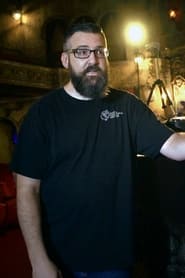
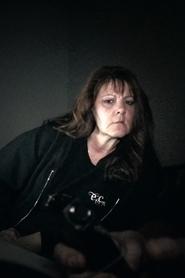
From the Russ House, the documentary shifts to the Lakeside Inn in Mount Dora, where K-2 Investigations take over. The team, described in the plot material as a mother-and-son paranormal duo, is joined by psychic Karen Santiago and historian Andrew Mullen. The location's famous connection to gangster Al Capone gives the sequence a different flavor, folding criminal legend into ghost lore. The film moves them from the basement to the attic, using the building's vertical geography to heighten the sense that something unseen may be following them upward as they search. Strange events occur as they make their way through the inn, and the tension grows less from what is seen than from what is implied: footsteps, cold spots, voices, and the uneasy sense that the place is not simply old but inhabited. The investigators treat the hotel as a site where history and haunting overlap, and the segment turns the polished familiarity of a grand old inn into a place of hidden fear.
The third stop returns to Emerald Coast Paranormal Concepts, who travel to Bellamy Bridge, presented as "the world's most haunted swamp" and the site of Florida's oldest bridge. The atmosphere changes again. This is no stately mansion or public hotel but a place that feels swallowed by damp darkness, where the land itself seems to remember violence. The legends here are specifically tied to numerous murders, and the film leans hard into that brutality, suggesting that Bellamy Bridge is haunted not by a single story but by accumulated suffering. The team investigates, and the evidence they gather is said to be substantial enough to be presented in the film as proof that something active is happening there. Even without a literal on-screen death among the investigators, the location feels like a grave in the broadest sense: a place where the dead are not peaceful and where the swamp, bridge, and surrounding darkness become a single threatening body. The confrontation here is with a history of killing so thick that it almost becomes environmental.
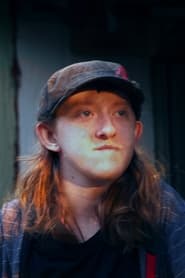
The mood shifts again when the younger team from Defuniak Springs, led by A.J. Fulcher, enters a cobweb-filled trailer home in Northwest Florida. If the previous locations feel historically distant, this one feels painfully intimate. The haunted story at the trailer home centers on a little boy who drowned there and is said to still haunt the property. That fact changes the emotional register completely. The investigators are no longer dealing with grand legend or old criminal folklore; they are standing in a domestic space marked by a child's death. The scene is fragile and sorrowful, and the haunting seems to arise from the sense of unfinished innocence rather than menace alone. The trailer is cramped, dusty, and covered in cobwebs, and the investigators' movement through it feels like a careful intrusion into a wound that never closed. The haunting is less theatrical here and more heartbreaking, as though the house itself cannot stop replaying the moment it lost the child who died in it.
By the time the film reaches its finale, the documentary has built a rhythm of place, history, and localized fear, and now it gathers its threads at the Tampa Theatre in Tampa. This is where several ghost groups investigate together, turning the final location into the film's climactic convergence of witnesses, devices, evidence, and haunting narratives. The building is described as historically haunted, and the film uncovers "many secrets" and "unusual occurrences" there, making the theatre feel like the place where the documentary finally decides to reveal what all the earlier locations have only implied: that the dead are not just remembered in Florida, they are active, specific, and stubbornly present.
The Tampa Theatre segment is built around the haunted projection booth and the story of projectionist Fink Finley. The film reveals that his ghost interacts with several people and devices, which makes this sequence feel different from the others. At the Russ House, the haunting is historical. At Lakeside Inn, it is tied to atmosphere and reputation. At Bellamy Bridge, it is rooted in violence and legend. At the trailer home, it is intimate and tragic. At Tampa Theatre, it becomes interactive. The projection booth functions almost like a spiritual control room, the place where a dead man's work and personality linger so strongly that technology itself becomes part of the communication. The haunting is not just sensed; it is responded to. This final revelation reframes the whole film, because it suggests the dead are not passive memories at these sites but agents capable of making themselves known through lights, devices, sounds, and human reactions.
The Tampa Theatre material also gives the movie its most concrete haunted biography. Fink Finley is not a vague spectral figure but a named former projectionist whose story has endured through local lore. Additional source material about the theatre identifies him as Foster "Fink" Finley, a longtime projectionist whose presence is associated with smells of coffee, cigarettes, and even smoke around the projection booth, as well as other unexplained disturbances. That real-world legend deepens the film's finale: the projection booth is not merely a spooky room but the center of a very specific memory, one that binds daily routine, occupational devotion, and death into a single ghost story. The film's ending, therefore, is not a conventional resolution. No exorcism takes place, no haunting is destroyed, and no final rational explanation overrides the supernatural experience. Instead, the documentary closes on the sense that Fink Finley remains there, still connected to the theatre he served in life and still able to make his presence felt.
There are no documented on-screen deaths of the living investigators in the material available, and the film's power comes from the deaths it recounts rather than any fatalities it stages in real time. The boy who drowns at the Northwest Florida trailer home is the central death behind that segment, and the murders associated with Bellamy Bridge provide the violent undercurrent for that location. At Tampa Theatre, the death of Fink Finley becomes the key historical loss, and the documentary treats his continued presence as evidence of a haunting that has outlasted his body. The movie's structure turns each location into a different kind of death-space: inherited tragedy at the Russ House, criminal-era intrigue at Lakeside Inn, blood-soaked legend at Bellamy Bridge, child loss at the trailer home, and occupational afterlife at Tampa Theatre. The absence of a final kill sequence does not reduce the tension; it instead makes the hauntings feel more plausible and more hauntingly persistent, as if the dead are already enough.
The film's climax is not explosive but accumulative. Multiple teams converge at the Tampa Theatre, and the result is a dense, layered conclusion where evidence, testimony, and atmosphere all seem to point in the same direction. The projection booth stands at the center of the final revelations, and the ghost of Fink Finley is treated as the strongest and most interactive presence in the film. The scientists, psychics, historians, and paranormal investigators all orbit this location as if it were the answer to the puzzle the movie has been building toward from the beginning. Earlier scenes have established that old buildings hold stories; this last scene insists that some stories hold on to the living. The haunted projection booth becomes the film's final image of endurance: a workplace transformed into a shrine of unfinished presence, where even the equipment seems to share in the ghost story.
The ending offers no neat closure. Instead, it leaves the audience with the feeling that the hauntings across Florida remain ongoing, not resolved by being filmed. The film finishes as a documentary testimony rather than a horror victory, and that is what makes the conclusion unsettling. The Russ House still holds its haunted past, the Lakeside Inn still carries its strange disturbances, Bellamy Bridge still stands over its violent legends, the trailer home still shelters the sorrow of a drowned child, and Tampa Theatre still seems to belong in part to Fink Finley. The final mood is one of reluctant acceptance: the investigators have entered these places, gathered what they can, and left the mysteries intact. The movie does not end by banishing the ghosts; it ends by confirming that the ghosts are still there.
If you want, I can also turn this into a more cinematic "scene-by-scene spoiler" version with sharper dialogue-style phrasing and even stronger horror prose while keeping the same full plot coverage.
More Movies Like This
Browse All Movies →




What is the ending?
In the ending of "Real Haunts," the main characters confront the supernatural forces that have been haunting them throughout the film. They face their fears and ultimately find a way to break the cycle of terror. The resolution brings a sense of closure, but not without significant emotional turmoil and sacrifice.
As the film reaches its climax, the characters gather in the haunted location, determined to confront the entity that has been tormenting them. They set up equipment to capture evidence of the paranormal activity, their hearts racing with a mix of fear and resolve. Tension fills the air as they share their personal experiences, revealing their vulnerabilities and the impact the hauntings have had on their lives.
In a pivotal moment, they encounter the ghostly presence, which manifests in a terrifying display. Each character is forced to confront their own demons, both literal and metaphorical. The atmosphere is thick with dread as they realize that the entity feeds off their fear. They band together, drawing strength from one another, and begin to challenge the spirit, using the knowledge they have gained throughout their journey.
As they confront the entity, one character makes a selfless choice, stepping forward to distract the spirit while the others attempt to perform a ritual to banish it. This act of bravery is met with a fierce struggle, and the character faces the full wrath of the haunting. The remaining group members, fueled by their friend's sacrifice, manage to complete the ritual, and the entity is finally vanquished.
In the aftermath, the characters are left shaken but relieved. They share a moment of reflection, acknowledging the bonds they have formed through their shared experiences. The haunted location, once filled with terror, now feels lighter, as if a weight has been lifted. Each character leaves with a renewed sense of purpose, having faced their fears and emerged stronger.
The film concludes with a sense of hope, as the characters look toward the future, forever changed by their experiences. The final scene shows them walking away from the haunted site, united in their journey, while the camera lingers on the now-quiet location, hinting at the lingering echoes of the past.
In summary, the ending of "Real Haunts" encapsulates the themes of courage, friendship, and the power of facing one's fears, leaving the audience with a poignant reminder of the strength found in unity.
Is there a post-credit scene?
In the movie "Real Haunts," produced in 2020, there is indeed a post-credit scene that adds an intriguing layer to the film's narrative.
As the credits roll, the screen fades to black before transitioning to a dimly lit room filled with old photographs and dusty artifacts. The camera slowly pans across the room, revealing a collection of eerie items that hint at the supernatural events depicted throughout the film.
Suddenly, a flickering light illuminates a corner of the room, where a figure can be seen hunched over a table, examining an ancient book. The figure is revealed to be one of the characters from the main storyline, a paranormal investigator who had been deeply affected by the events they experienced. Their face is a mix of determination and fear, suggesting that they are still haunted by what they encountered.
As the investigator flips through the pages of the book, they come across a passage that references a location not previously explored in the film. The camera zooms in on the text, which ominously hints at a new haunting that is waiting to be uncovered. The investigator's eyes widen with a mix of excitement and dread, indicating that their journey is far from over.
The scene ends with a sudden gust of wind that blows through the room, causing the lights to flicker violently before cutting to black, leaving the audience with a sense of suspense and anticipation for what might come next. This post-credit scene effectively teases potential future explorations into the world of hauntings, reinforcing the film's themes of curiosity and the unknown.
How does the character of Sarah evolve throughout the film?
Sarah begins as a skeptical investigator, but as she confronts the realities of the supernatural and faces her own fears, she evolves into a more open-minded character, grappling with her past and the emotional weight of her experiences.
What specific haunted locations are explored in Real Haunts?
Real Haunts delves into several notorious haunted locations, including the infamous Winchester Mystery House, known for its architectural oddities and ghostly legends, and the eerie Eastern State Penitentiary, which is steeped in tales of tortured souls and paranormal activity.
Who are the main characters in Real Haunts and what are their motivations?
The main characters include a group of paranormal investigators led by a determined and skeptical leader, Sarah, who is driven by a personal tragedy linked to the supernatural. Her team members, each with their own backstories and reasons for seeking the truth about the paranormal, contribute to the emotional depth of the narrative.
What specific supernatural events occur during the investigations in Real Haunts?
Throughout their investigations, the team experiences a series of chilling supernatural events, including unexplained noises, sudden temperature drops, and apparitions that manifest in the shadows, heightening the tension and fear among the group.
What role does the history of each haunted location play in the story?
The history of each haunted location is intricately woven into the narrative, providing context for the hauntings. The team uncovers tragic stories of the past, such as the loss of lives in the penitentiary and the mysterious deaths associated with the Winchester house, which serve to deepen the emotional stakes and connect the characters to the locations.
Is this family friendly?
"Real Haunts," produced in 2020, is a horror film that explores themes of the supernatural and the unknown. While it may appeal to fans of the genre, it contains several elements that could be considered objectionable or upsetting for children or sensitive viewers.
-
Supernatural Themes: The film delves into ghostly encounters and hauntings, which may be frightening for younger audiences or those who are sensitive to horror elements.
-
Intense Scares: There are scenes designed to elicit jump scares and moments of high tension, which could be distressing.
-
Dark Atmosphere: The overall tone of the film is eerie and unsettling, with dimly lit settings and a foreboding soundtrack that contributes to a sense of dread.
-
Violence and Threats: While not excessively graphic, there may be implied violence or threatening situations that could be alarming.
-
Emotional Distress: Characters may experience fear, anxiety, or trauma related to their encounters, which could resonate with sensitive viewers.
Given these aspects, "Real Haunts" may not be suitable for younger children or those who are easily disturbed by horror themes. Viewer discretion is advised.