








Popular
What are some key examples of folk horror films discussed in the documentary?
How does the documentary define the characteristics of folk horror?
What role does the landscape play in the folk horror films featured in the documentary?
Which filmmakers and scholars are featured in the documentary, and what perspectives do they offer?
How does the documentary address the representation of women in folk horror films?
Should I watch it?
Ask Your Own Question

What is the plot?
Sorry, we aren't able to watch and write up a full detailed plot yet. Check back in a few days.
More Movies Like This
Browse All Movies →



What is the ending?
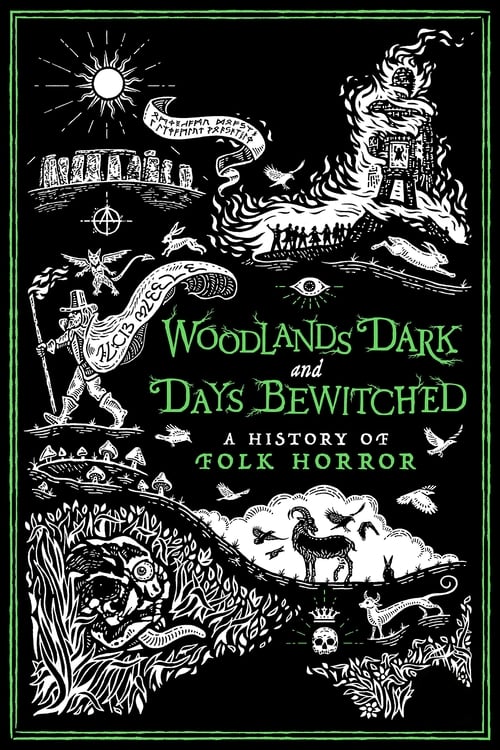
The ending of "Woodlands Dark and Days Bewitched: A History of Folk Horror" culminates in a reflective exploration of the genre's impact and significance. The film concludes with a montage of various folk horror films, emphasizing the themes of nature, isolation, and the supernatural that permeate the genre. It leaves viewers with a sense of the enduring power of folk horror in cinema and its ability to evoke deep emotional responses.
In a more detailed narrative, the film's conclusion unfolds as follows:
As the documentary progresses towards its conclusion, the screen is filled with a series of clips from iconic folk horror films, each carefully selected to highlight the genre's evolution and its thematic richness. The visuals shift rapidly, showcasing haunting landscapes, eerie rituals, and unsettling encounters with the supernatural. The imagery evokes a sense of dread and fascination, drawing the audience deeper into the world of folk horror.
The narration reflects on the common threads that bind these films together: the interplay between humanity and nature, the exploration of cultural folklore, and the often ambiguous moral landscapes that characters navigate. The documentary emphasizes how these elements resonate with viewers, tapping into primal fears and societal anxieties.
As the montage continues, the film intersperses interviews with filmmakers, scholars, and enthusiasts who share their insights on the genre's significance. They discuss how folk horror serves as a mirror to societal issues, reflecting fears of the unknown and the consequences of isolation. The emotional weight of their words underscores the genre's ability to provoke thought and evoke visceral reactions.
The final scenes of the documentary linger on the lasting impact of folk horror, showcasing clips from contemporary films that draw inspiration from the genre's roots. The screen fades to black, leaving the audience with a lingering sense of unease and contemplation about the stories that shape our understanding of the world.
In the end, the film does not provide a traditional resolution for characters, as it is a documentary rather than a narrative film. Instead, it invites viewers to reflect on the themes presented and consider how folk horror continues to influence storytelling in cinema. The fate of the characters in the context of the films discussed remains open-ended, allowing the audience to engage with the material on a personal level, pondering the implications of the narratives they have witnessed.
Is there a post-credit scene?
"Woodlands Dark and Days Bewitched: A History of Folk Horror" does not contain a post-credit scene. The documentary concludes with a comprehensive exploration of the folk horror genre, featuring interviews, film clips, and thematic discussions that encapsulate the essence of folk horror. The film wraps up its narrative without any additional scenes or content after the credits, focusing instead on the rich history and cultural significance of the genre.
What are some key examples of folk horror films discussed in the documentary?
The documentary explores several key examples of folk horror films, including 'Witchfinder General' (1968), 'The Wicker Man' (1973), and 'The Blood on Satan's Claw' (1971). Each film is analyzed for its unique contributions to the genre, showcasing how they incorporate elements of folklore, rural settings, and the supernatural.
How does the documentary define the characteristics of folk horror?
The documentary defines folk horror through its exploration of themes such as isolation, the clash between civilization and the primal forces of nature, and the use of folklore and myth. It emphasizes the genre's focus on rural settings, the supernatural, and the psychological impact of fear rooted in cultural traditions.
What role does the landscape play in the folk horror films featured in the documentary?
The landscape is portrayed as a character in itself, often reflecting the emotional states of the characters and the themes of the films. The documentary highlights how the natural world can evoke feelings of dread and isolation, serving as a backdrop for the unfolding horror and influencing the characters' fates.
Which filmmakers and scholars are featured in the documentary, and what perspectives do they offer?
The documentary features a range of filmmakers and scholars, including directors like Robert Eggers and Piers Haggard, as well as film critics and historians. They offer diverse perspectives on the genre, discussing its evolution, cultural significance, and the psychological underpinnings of folk horror.
How does the documentary address the representation of women in folk horror films?
The documentary addresses the representation of women by examining the roles of female characters in folk horror narratives, often portraying them as witches, victims, or figures of power. It discusses how these representations reflect societal fears and the complexities of female identity within the context of folklore.
Is this family friendly?
"Woodlands Dark and Days Bewitched: A History of Folk Horror" is a documentary that explores the genre of folk horror through various films and cultural contexts. While it is an informative and engaging exploration of the subject, it may not be considered family-friendly for younger audiences or sensitive viewers due to several aspects:
-
Themes of Horror and Violence: The documentary discusses and showcases clips from various folk horror films that often include themes of violence, death, and supernatural occurrences, which may be unsettling for children.
-
Graphic Imagery: Some scenes from the films featured may contain graphic or disturbing imagery, including depictions of rituals, sacrifices, and other horror elements that could be frightening.
-
Psychological Tension: The exploration of psychological horror and the unsettling nature of folk horror can evoke feelings of anxiety or discomfort, which may not be suitable for younger viewers.
-
Cultural and Historical Contexts: The documentary delves into darker aspects of folklore and cultural histories, which may include discussions of societal fears, trauma, and existential dread that could be heavy for sensitive audiences.
-
Mature Themes: The conversations surrounding the films often touch on mature themes such as isolation, madness, and the human condition, which may not resonate well with children.
Overall, while the documentary is rich in content and offers valuable insights into the folk horror genre, its themes and visuals may be better suited for older teens and adults rather than a family audience.









