





Popular
What new evidence is presented in JFK Revisited that challenges the official narrative of the assassination?
How does the film portray the character of Lee Harvey Oswald?
What role do the witnesses play in the narrative of JFK Revisited?
How does the film address the involvement of government agencies in the assassination?
What specific theories about the assassination does JFK Revisited explore?
Should I watch it?
Ask Your Own Question

What is the plot?
Sorry, we aren't able to watch and write up a full detailed plot yet. Check back in a few days.
More Movies Like This
Browse All Movies →




What is the ending?
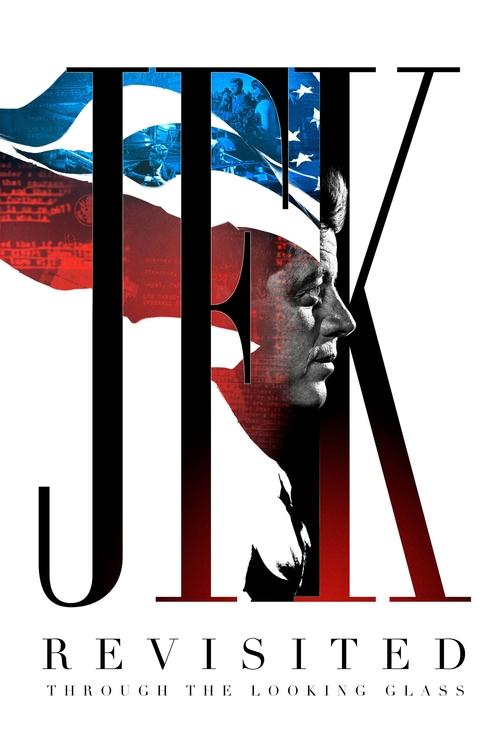
In the ending of "JFK Revisited: Through the Looking Glass," the film culminates in a powerful exploration of the unresolved questions surrounding the assassination of President John F. Kennedy. The documentary emphasizes the ongoing debate about the conspiracy theories and the implications of the findings presented throughout the film. It leaves viewers with a sense of urgency to reconsider the historical narrative surrounding JFK's assassination and the impact it has had on American society.
As the film draws to a close, Oliver Stone revisits key moments and evidence that have been discussed throughout the documentary. He highlights the importance of transparency and the need for the public to question the official accounts of historical events. The film ends with a call to action, urging viewers to seek the truth and remain vigilant against the manipulation of information.
Now, let's delve into the ending in a more detailed, chronological narrative.
The final scenes of "JFK Revisited: Through the Looking Glass" unfold with a montage of archival footage, interspersed with interviews and commentary from historians, researchers, and witnesses. The screen is filled with images of President Kennedy, his family, and the tumultuous era of the 1960s. The emotional weight of the assassination is palpable, as the film revisits the shock and grief that enveloped the nation.
Oliver Stone, the director, appears on screen, his voice steady yet filled with conviction. He emphasizes the importance of questioning the official narrative surrounding JFK's assassination. He recounts the various theories that have emerged over the decades, each one more complex than the last. The camera captures Stone's intense gaze, reflecting his deep commitment to uncovering the truth. He speaks passionately about the need for transparency in government and the responsibility of citizens to demand accountability.
As the film progresses, it revisits key figures involved in the investigation, including witnesses who recount their experiences and the impact of the assassination on their lives. The emotional resonance of their stories is heightened by the somber music that underscores their testimonies. Each individual shares their perspective, revealing the personal toll that the events of November 22, 1963, have taken on them.
The documentary then shifts to a series of powerful images depicting protests and public outcry for justice. The screen fills with footage of citizens demanding answers, their faces a mix of anger, confusion, and determination. This visual representation of the collective yearning for truth serves as a poignant reminder of the unresolved nature of the case.
In the final moments, Stone reiterates the significance of the assassination not just as a historical event, but as a pivotal moment that shaped the course of American history. He urges viewers to reflect on the implications of the findings presented throughout the film, emphasizing that the quest for truth is ongoing. The screen fades to black, leaving the audience with a lingering sense of urgency and the weight of unanswered questions.
As the credits roll, the fate of the main characters--both historical figures and contemporary witnesses--remains intertwined with the unresolved narrative of JFK's assassination. The film closes with a powerful message: the truth may be elusive, but the pursuit of it is essential for understanding the past and shaping the future. The emotional impact of the film resonates long after the final frame, compelling viewers to engage with the complexities of history and the importance of seeking justice.
Is there a post-credit scene?
"JFK Revisited: Through the Looking Glass" does not contain a post-credit scene. The film concludes its exploration of the assassination of President John F. Kennedy and the various conspiracy theories surrounding it without any additional scenes or content after the credits roll. The focus remains on the documentary's in-depth analysis and the presentation of new evidence, leaving viewers with a sense of contemplation about the historical events discussed.
What new evidence is presented in JFK Revisited that challenges the official narrative of the assassination?
JFK Revisited presents a variety of new evidence, including previously classified documents, eyewitness testimonies, and expert analyses that suggest the possibility of a conspiracy. The film delves into the details of the assassination, highlighting inconsistencies in the official reports and presenting alternative theories that question the lone gunman narrative.
How does the film portray the character of Lee Harvey Oswald?
The film portrays Lee Harvey Oswald as a complex figure, exploring his background, motivations, and the circumstances leading up to the assassination. It examines his life in detail, including his time in the Soviet Union, his political beliefs, and the events that transpired on the day of the assassination, suggesting that he may not have acted alone.
What role do the witnesses play in the narrative of JFK Revisited?
Witnesses play a crucial role in JFK Revisited, as their testimonies are used to challenge the official account of the assassination. The film features interviews with individuals who were present during the assassination, highlighting their observations and the discrepancies in their accounts compared to the Warren Commission's findings.
How does the film address the involvement of government agencies in the assassination?
The film explores the potential involvement of various government agencies, including the CIA and FBI, in the events surrounding the assassination. It presents evidence suggesting that these agencies may have had motives to eliminate Kennedy and examines the implications of their possible complicity.
What specific theories about the assassination does JFK Revisited explore?
JFK Revisited explores several specific theories about the assassination, including the possibility of a second shooter, the involvement of organized crime, and the idea that Kennedy's policies may have led to his assassination. The film presents these theories through a combination of expert commentary, archival footage, and dramatic reenactments.
Is this family friendly?
"JFK Revisited: Through the Looking Glass" is a documentary that delves into the assassination of President John F. Kennedy and the various conspiracy theories surrounding it. While it is primarily an exploration of historical events, there are several aspects that may be objectionable or upsetting for children or sensitive viewers:
-
Graphic Imagery: The film includes archival footage and photographs related to the assassination, which may be disturbing due to their graphic nature.
-
Violent Themes: Discussions surrounding the assassination involve themes of violence and political intrigue, which may be unsettling for younger audiences.
-
Conspiracy Theories: The film presents various conspiracy theories that may be complex and confusing, potentially leading to anxiety about historical events.
-
Emotional Impact: The emotional weight of the subject matter, including the loss of life and the impact on the nation, may be heavy for sensitive viewers.
-
Historical Context: The film addresses the political climate of the 1960s, which includes discussions of war, civil rights, and societal upheaval that may be challenging for younger viewers to fully grasp.
Overall, while the film is informative and thought-provoking, its content may not be suitable for all children or sensitive individuals. Viewer discretion is advised.









