
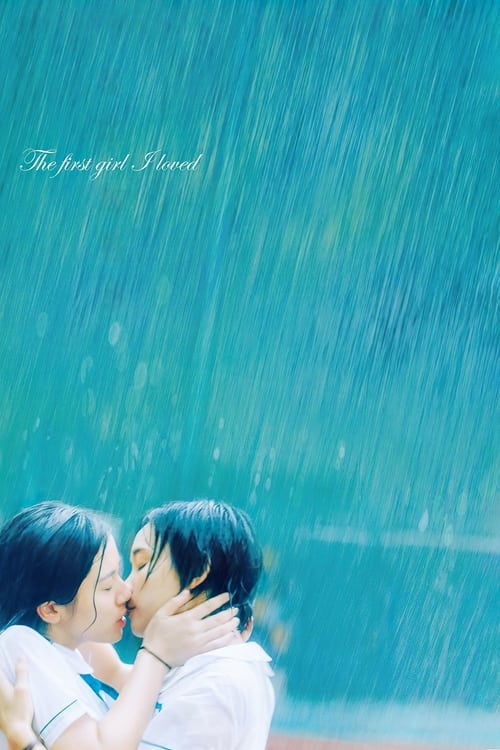












Popular
What challenges does the main character face in her relationship with her best friend?
How does Anne's family react to her relationship with Sasha?
What role does the school environment play in Anne and Sasha's relationship?
How does Anne's friendship with Sasha evolve throughout the film?
What pivotal moment causes a shift in Anne's understanding of her identity?
Should I watch it?
Ask Your Own Question

What is the plot?
Sorry, we aren't able to watch and write up a full detailed plot yet. Check back in a few days.









What is the ending?
In the ending of "The First Girl I Loved," the main character, Anne, confronts her feelings for her best friend, Sasha, and the complexities of their relationship. After a series of emotional ups and downs, Anne ultimately decides to embrace her identity and her feelings, leading to a moment of connection with Sasha. The film concludes with a sense of hope and acceptance as Anne takes a step towards understanding herself and her relationships.
Expanding on the ending in a chronological and narrative fashion:
As the film approaches its climax, Anne finds herself grappling with the weight of her emotions. The tension between her and Sasha has been building throughout the story, marked by moments of confusion, longing, and fear of rejection. In the final scenes, Anne is seen sitting alone in her room, reflecting on her journey. The walls are adorned with posters of her favorite bands, a testament to her youthful spirit and the dreams she holds close.
The pivotal moment occurs when Anne decides to reach out to Sasha. She picks up her phone, her hands trembling slightly as she types a message. The screen glows in the dim light, illuminating her anxious expression. After a moment of hesitation, she hits send, her heart racing as she waits for a response. The vulnerability of this act is palpable; it signifies her willingness to confront her feelings head-on.
Sasha replies, and they agree to meet at their favorite spot--a secluded park where they used to share secrets and dreams. As Anne walks there, the sun begins to set, casting a warm golden hue over the landscape. The air is thick with anticipation, and Anne's mind races with thoughts of what might happen. She recalls their shared laughter, the moments of closeness, and the fear of losing it all.
When they finally meet, the atmosphere is charged with unspoken words. Anne's heart pounds in her chest as she looks at Sasha, who appears both nervous and excited. They sit on a bench, the silence between them heavy yet comforting. Anne takes a deep breath, her voice trembling as she finally admits her feelings. The confession hangs in the air, a fragile moment that could change everything.
Sasha's reaction is a mix of surprise and contemplation. She takes a moment to process Anne's words, her expression shifting from shock to a soft smile. The tension begins to dissolve as they share their fears and hopes, revealing the depth of their bond. Anne's vulnerability opens a door for Sasha, who admits she has also been grappling with her feelings.
As they talk, the sun dips below the horizon, painting the sky in shades of pink and orange. This visual metaphor reflects the transition in their relationship, moving from uncertainty to clarity. They lean closer, their hands brushing against each other, a simple yet profound gesture that signifies their connection.
The film concludes with a sense of resolution. Anne and Sasha share a tentative yet hopeful kiss, a culmination of their journey towards understanding themselves and each other. The camera pulls back, capturing the two girls framed against the vibrant sky, symbolizing the dawn of a new chapter in their lives.
In the final moments, we see Anne's face, a mixture of relief and joy. She has taken a significant step towards embracing her identity and her feelings for Sasha. The fate of both characters is intertwined; they are on the brink of exploring a new relationship, one built on honesty and acceptance. The film closes with a lingering sense of hope, suggesting that while challenges may lie ahead, they are ready to face them together.
Is there a post-credit scene?
In "The First Girl I Loved," there is no post-credit scene. The film concludes its narrative without any additional scenes after the credits roll. The story wraps up with a focus on the emotional journey of the characters, particularly the protagonist, as she navigates her feelings and relationships. The ending emphasizes the themes of love, self-discovery, and the complexities of young romance, leaving the audience with a sense of closure regarding the characters' arcs.
What challenges does the main character face in her relationship with her best friend?
The main character, Anne, grapples with her feelings for her best friend, Sasha, as she navigates the complexities of adolescence and her emerging sexual identity. Anne's internal conflict is heightened by her fear of losing their friendship and the societal pressures surrounding her feelings.
How does Anne's family react to her relationship with Sasha?
Anne's family struggles to understand her feelings for Sasha, particularly her father, who has traditional views on relationships. This creates tension at home, as Anne feels she cannot fully express her true self or her love for Sasha without facing judgment.
What role does the school environment play in Anne and Sasha's relationship?
The school environment serves as both a supportive and hostile backdrop for Anne and Sasha's relationship. While they find moments of connection and acceptance among friends, they also face bullying and discrimination from peers, which complicates their ability to be open about their feelings.
How does Anne's friendship with Sasha evolve throughout the film?
Anne's friendship with Sasha evolves from a close, platonic bond to a deeper romantic connection. As they explore their feelings for each other, they face misunderstandings and external pressures that test their relationship, ultimately leading to moments of both joy and heartbreak.
What pivotal moment causes a shift in Anne's understanding of her identity?
A pivotal moment occurs when Anne confronts her feelings during a significant event at school, where she realizes the depth of her love for Sasha. This moment of clarity forces her to confront her identity and the societal expectations that have been weighing on her, leading to a turning point in her character development.
Is this family friendly?
"The First Girl I Loved," produced in 2021, is a coming-of-age film that explores themes of love, identity, and the complexities of teenage relationships. While it is a heartfelt story, there are several elements that may be considered objectionable or upsetting for children or sensitive viewers:
-
LGBTQ+ Themes: The film centers around a same-sex romantic relationship, which may be challenging for some viewers depending on their background or beliefs.
-
Emotional Turmoil: Characters experience significant emotional struggles, including feelings of confusion, heartbreak, and anxiety, which may resonate deeply with sensitive viewers.
-
Bullying and Peer Pressure: There are scenes depicting bullying and the pressure to conform, which can be distressing for younger audiences or those who have experienced similar situations.
-
Parental Conflict: The film includes moments of tension between characters and their parents, highlighting issues of acceptance and understanding that may be difficult for some viewers.
-
Romantic and Intimate Moments: There are scenes that depict romantic feelings and intimate moments between characters, which may not be suitable for all ages.
Overall, while the film carries a positive message about love and acceptance, its themes and emotional depth may not be appropriate for younger audiences or those who are particularly sensitive to such topics.









