












Popular
What is the significance of Duncan's dragon heritage in the story?
How does Duncan's relationship with his mother influence his character development?
What role does the antagonist, Belch, play in Duncan's journey?
How does Duncan's relationship with his father impact his actions throughout the film?
What is the significance of the final battle between Duncan and his father?
Should I watch it?
Ask Your Own Question

What is the plot?
Sorry, we aren't able to watch and write up a full detailed plot yet. Check back in a few days.
More Movies Like This
Browse All Movies →



What is the ending?
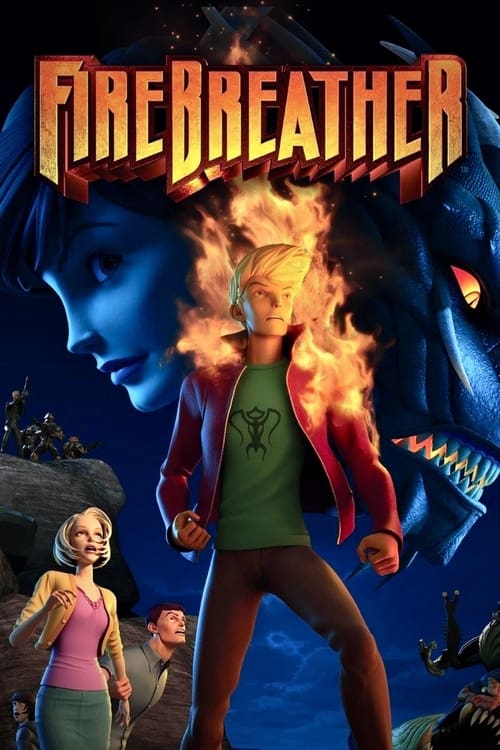
In the ending of "Firebreather," Duncan, the half-human, half-dragon protagonist, confronts his father, the dragon Belch, in a climactic battle. After a fierce struggle, Duncan manages to defeat Belch, asserting his identity and strength. The film concludes with Duncan embracing his dual heritage, finding acceptance among his peers, and reconciling his relationship with his mother, who has supported him throughout his journey.
As the final act unfolds, the scene shifts to a desolate landscape where Duncan faces his father, Belch, who has been wreaking havoc. The air is thick with tension as Duncan, filled with a mix of fear and determination, prepares for the confrontation. He knows that this battle is not just about physical strength but also about proving himself and accepting who he is. The fiery breath of Belch illuminates the dark sky, casting ominous shadows as they engage in a fierce aerial duel.
Duncan, using his agility and newfound confidence, dodges Belch's fiery attacks. The battle is intense, with explosions and flames erupting around them, showcasing the raw power of both dragon and human. As they clash, Duncan recalls the lessons learned from his mother, who has always encouraged him to embrace his unique identity. This memory fuels his resolve, and he begins to harness his dragon abilities more effectively.
In a pivotal moment, Duncan manages to outsmart Belch, using the environment to his advantage. He lures his father into a trap, where he unleashes a powerful blast of fire, showcasing his own dragon heritage. The moment is cathartic; Duncan feels a surge of pride as he finally stands up to the father who has long overshadowed him. With a final, powerful strike, Duncan defeats Belch, who falls defeated, his reign of terror coming to an end.
As the dust settles, Duncan stands amidst the wreckage, breathing heavily but victorious. He looks around, realizing that he has not only defeated his father but has also come to terms with his own identity. The townspeople, who had once feared him for his dragon lineage, now look at him with respect and admiration. Duncan's mother approaches him, tears of pride in her eyes, and they share a heartfelt embrace, solidifying their bond.
In the closing scenes, Duncan is seen at school, where he is finally accepted by his peers. He walks through the hallways with a newfound confidence, no longer hiding who he is. The film ends on a hopeful note, with Duncan looking towards the future, ready to embrace both sides of his heritage and the challenges that lie ahead. The final shot captures him smiling, a symbol of acceptance and strength, as he steps into a world that now feels like home.
Is there a post-credit scene?
In the movie "Firebreather," there is indeed a post-credit scene that adds an intriguing layer to the story. After the credits roll, viewers are treated to a brief moment that hints at future developments. The scene features a mysterious figure who is revealed to be a dragon, suggesting that there are more challenges and adventures awaiting the protagonist, Duncan. This moment serves to tease the potential for further exploration of the world and its characters, leaving the audience with a sense of anticipation and curiosity about what lies ahead for Duncan and his journey as a half-dragon, half-human. The scene encapsulates the themes of identity and the ongoing struggle between his human and dragon heritage, reinforcing the emotional stakes of his character.
What is the significance of Duncan's dragon heritage in the story?
Duncan's dragon heritage is central to his identity and the conflict he faces throughout the film. As the son of a human mother and a dragon father, he struggles with the expectations and powers that come with being part dragon. This heritage gives him unique abilities, such as enhanced strength and the ability to breathe fire, but it also isolates him from his peers and creates internal conflict as he tries to fit in with humans while grappling with his monstrous lineage.
How does Duncan's relationship with his mother influence his character development?
Duncan's relationship with his mother, who is supportive and loving, plays a crucial role in his character development. She encourages him to embrace his unique abilities while also instilling in him the values of compassion and understanding. Her guidance helps him navigate the challenges of being a half-dragon in a human world, and her unwavering belief in him provides the emotional strength he needs to confront his father's legacy and the expectations placed upon him.
What role does the antagonist, Belch, play in Duncan's journey?
Belch serves as the primary antagonist in Duncan's journey, representing the external conflict that Duncan must face. As a bully at school, Belch embodies the prejudice and fear that Duncan encounters due to his dragon heritage. Their confrontations force Duncan to confront his own insecurities and ultimately push him to embrace his true self. Belch's antagonism highlights the themes of acceptance and self-discovery, as Duncan learns to stand up for himself and assert his identity.
How does Duncan's relationship with his father impact his actions throughout the film?
Duncan's relationship with his father, a powerful dragon, is fraught with tension and expectation. His father's desire for Duncan to embrace his dragon side creates a conflict within Duncan, who fears becoming a monster. This strained relationship drives much of Duncan's internal struggle, as he grapples with the fear of losing his humanity while also feeling the pull of his dragon heritage. Ultimately, this dynamic influences his decisions and actions, leading him to seek a balance between his two worlds.
What is the significance of the final battle between Duncan and his father?
The final battle between Duncan and his father is a climactic moment that encapsulates Duncan's internal struggle and growth. It symbolizes his acceptance of his dual identity as both human and dragon. During this confrontation, Duncan must confront not only his father's power but also his own fears and insecurities. The battle serves as a turning point, allowing Duncan to assert his independence and redefine what it means to be a dragon, ultimately leading to a resolution of their tumultuous relationship.
Is this family friendly?
"Firebreather," produced in 2010, is generally considered suitable for a family audience, particularly for older children and teens. However, there are some potentially objectionable or upsetting aspects that parents or sensitive viewers might want to be aware of:
-
Violence: The film features scenes of combat and destruction, including battles between monsters and humans. These scenes may be intense for younger viewers.
-
Bullying: The protagonist, Duncan, experiences bullying at school, which may resonate with some children but could also be upsetting for those who have faced similar situations.
-
Parental Conflict: There are moments of tension and conflict between Duncan and his parents, particularly regarding his identity and responsibilities, which may evoke strong emotions.
-
Monstrous Imagery: The film includes various monstrous creatures and scenes that could be frightening for younger children, especially during action sequences.
-
Themes of Isolation: Duncan struggles with feelings of being different and isolated due to his unique heritage, which may be relatable but could also be emotionally challenging for some viewers.
Overall, while "Firebreather" contains themes of heroism and self-acceptance, it also includes elements that may require parental guidance for younger audiences.








