







































Loading additional questions...
Popular
What motivates the main character, Aude, to take action during the hijacking?
How does the character of the hijacker, Abou, develop throughout the film?
What role does the setting of the airplane play in the development of the plot?
How do the interactions between Aude and the other passengers evolve during the hijacking?
What is the significance of the flashbacks in Aude's character development?
Should I watch it?
Ask Your Own Question

What is the plot?
Sorry, we aren't able to watch and write up a full detailed plot yet. Check back in a few days.









What is the ending?
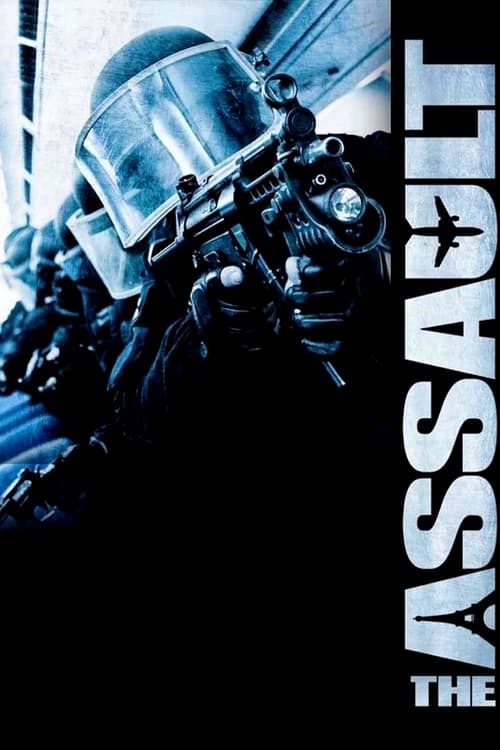
In the ending of "The Assault," the hijacking of Air France Flight 8969 comes to a tense conclusion as the French special forces storm the plane. The terrorists are killed, and the hostages are freed, but not without loss and trauma. The film closes with a reflection on the impact of the events on the survivors.
As the climax of "The Assault" unfolds, the scene is set aboard Air France Flight 8969, which has been hijacked by a group of armed terrorists. The atmosphere is thick with tension as the passengers, terrified and uncertain, are held hostage. The terrorists, driven by their radical motives, have made their demands clear, but the situation is precarious, and time is running out.
In the final act, the French government decides to take decisive action. A special forces team, known as the GIGN, is mobilized to resolve the crisis. The scene shifts to the command center, where the team prepares for the assault. The tension is palpable as the operatives gear up, their faces a mix of determination and anxiety. They know the stakes are high, and the lives of the hostages hang in the balance.
As the GIGN approaches the aircraft, the camera captures the urgency of the moment. The team moves with precision, their training evident in every action. They communicate silently, their eyes focused on the task ahead. The plane, surrounded by armed forces, looms large against the backdrop of the airport, a symbol of the chaos that has unfolded.
The assault begins with a coordinated attack. The GIGN storm the plane, and the scene erupts into chaos. Gunfire rings out as the terrorists react to the breach. The camera shifts between the intense firefight and the terrified passengers, who are caught in the crossfire. The sound of gunshots is deafening, and the fear is palpable as the hostages realize that their rescue is underway.
One by one, the terrorists are taken down by the skilled operatives. The action is swift and brutal, showcasing the urgency of the situation. The GIGN members work seamlessly together, their training allowing them to navigate the perilous environment. However, the violence is not without consequence; some hostages are injured in the crossfire, and the emotional toll of the event is evident on the faces of both the rescuers and the rescued.
As the last of the terrorists is neutralized, the scene shifts to the aftermath. The surviving hostages are led out of the plane, their expressions a mix of relief and trauma. The camera lingers on their faces, capturing the weight of what they have endured. Among them is a young woman who had been particularly vocal during the hijacking; her eyes reflect a deep sense of gratitude but also the haunting memories of the ordeal.
In the final moments of the film, the focus shifts to the GIGN operatives as they regroup. There is a sense of somber victory; they have saved lives, but the cost is evident. The emotional scars of the event linger, and the film closes with a poignant reminder of the impact of terrorism on individuals and society. The screen fades to black, leaving the audience to reflect on the harrowing experience of the characters and the broader implications of the conflict they faced.
The fate of the main characters is sealed in this moment of resolution. The terrorists are all killed during the assault, their plans thwarted. The hostages, while physically freed, carry the emotional burden of their experience. The GIGN operatives, though successful in their mission, are left to grapple with the realities of violence and loss, underscoring the complex nature of heroism in the face of terror.
Is there a post-credit scene?
The movie "The Assault" (2011) does not have a post-credit scene. The film concludes its narrative without any additional scenes or content after the credits roll. The story wraps up with a focus on the emotional and psychological aftermath of the events depicted, leaving the audience to reflect on the harrowing experiences of the characters involved.
What motivates the main character, Aude, to take action during the hijacking?
Aude is driven by a deep sense of responsibility and the instinct to protect her fellow passengers. As the situation escalates, her fear transforms into a determination to confront the hijackers, fueled by her desire to save lives and regain control over the terrifying situation.
How does the character of the hijacker, Abou, develop throughout the film?
Abou is portrayed as a complex antagonist whose motivations are rooted in a mix of ideological beliefs and personal trauma. As the hijacking unfolds, glimpses of his vulnerability and internal conflict emerge, revealing a man torn between his convictions and the consequences of his violent actions.
What role does the setting of the airplane play in the development of the plot?
The confined space of the airplane amplifies the tension and fear among the passengers. It serves as a microcosm of society, where diverse backgrounds clash under extreme stress. The claustrophobic environment heightens the stakes, forcing characters to confront their fears and make life-or-death decisions.
How do the interactions between Aude and the other passengers evolve during the hijacking?
Initially, the passengers are in a state of panic and confusion, but as Aude takes charge, her leadership inspires a sense of unity. The interactions shift from fear and distrust to collaboration, as they begin to strategize together, showcasing the human spirit's resilience in the face of adversity.
What is the significance of the flashbacks in Aude's character development?
The flashbacks provide insight into Aude's past, revealing her personal struggles and relationships. They serve to deepen her character, illustrating her motivations and fears, and ultimately highlight her growth as she confronts the hijacking, transforming her from a passive individual into a proactive hero.







