







































Popular
What motivates Charly Mattei to seek revenge after being shot?
How does Charly Mattei's relationship with his family evolve throughout the film?
What role does the character of the police officer, Commissioner Farge, play in the story?
What is the significance of the title '22 Bullets' in relation to Charly Mattei's experience?
How does the film depict Charly Mattei's transformation from a retired mobster to a vengeful figure?
Should I watch it?
Ask Your Own Question

What is the plot?
Sorry, we aren't able to watch and write up a full detailed plot yet. Check back in a few days.

What is the ending?
In the ending of "22 Bullets," Charly Mattei confronts his enemies and ultimately seeks revenge for the betrayal he suffered. After a series of intense confrontations, he manages to eliminate those who wronged him. The film concludes with Charly finding a sense of closure, but it also leaves a lingering question about the cycle of violence and its impact on his life and those around him.
As the film approaches its climax, Charly Mattei, portrayed by Jean Reno, is driven by a fierce determination to confront the men who betrayed him. The scene unfolds in a dimly lit warehouse, where Charly, armed and resolute, prepares for the final showdown. The atmosphere is thick with tension, the air heavy with the weight of his past decisions and the lives lost along the way.
Charly's internal conflict is palpable; he is a man who has lived a life steeped in crime, yet he yearns for redemption. As he steps into the warehouse, memories of his family and the life he once aspired to lead flash through his mind. He is not just fighting for revenge but also for the chance to reclaim his humanity.
The confrontation begins as Charly faces off against his former associates, who have turned against him. The camera captures the grim determination on his face, the flicker of pain in his eyes as he recalls the betrayal. The fight is brutal and visceral, showcasing Charly's skill and desperation. Each shot fired echoes the turmoil within him, a man caught between his violent past and the hope for a peaceful future.
As the battle rages on, Charly's enemies fall one by one. The choreography of the fight scenes is intense, with close-ups of Charly's expressions revealing his emotional turmoil. He is not just a cold-blooded killer; he is a man seeking closure, grappling with the ghosts of his past. The cinematography emphasizes the chaos around him, contrasting with the clarity of his purpose.
In a pivotal moment, Charly confronts the man who orchestrated his downfall, a figure shrouded in darkness and betrayal. Their exchange is charged with emotion, a culmination of years of loyalty turned to treachery. Charly's resolve hardens as he delivers a final blow, symbolizing not just revenge but a release from the chains of his former life.
As the dust settles, Charly stands amidst the remnants of the confrontation, breathing heavily, the weight of his actions settling upon him. He has avenged the wrongs done to him, but the victory feels hollow. The camera lingers on his face, capturing the mix of relief and sorrow. He has eliminated the threat, but at what cost? The violence has taken its toll, and the cycle of retribution leaves him questioning the path he has chosen.
In the final scenes, Charly returns to his family, a bittersweet reunion filled with unspoken words. His wife, who has been a constant source of support, embraces him, but there is an unshakeable tension in the air. The film closes with Charly looking out over the city, a man forever changed by his choices. The lingering question remains: can he truly escape the life he has led, or is he forever bound to the shadows of his past?
The fates of the main characters are sealed in this final act. Charly Mattei emerges as a survivor, but the emotional scars of his journey are evident. His enemies lie defeated, but the victory is bittersweet, underscoring the film's exploration of loyalty, betrayal, and the consequences of a life steeped in violence. The ending leaves viewers contemplating the cyclical nature of revenge and the possibility of redemption amidst the chaos.
Is there a post-credit scene?
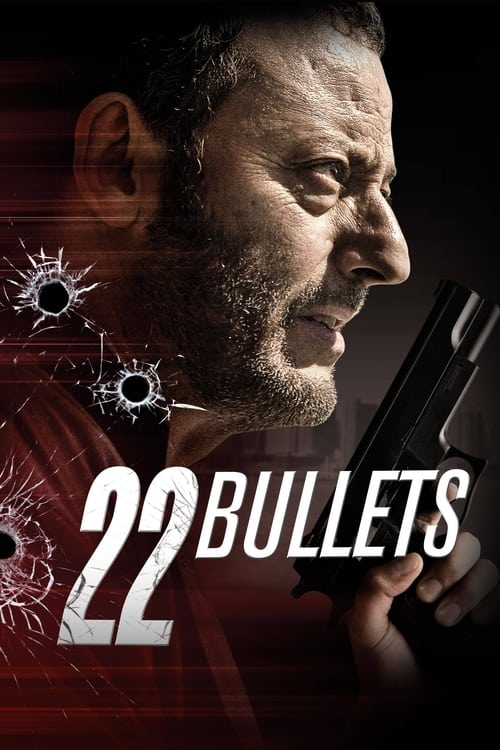
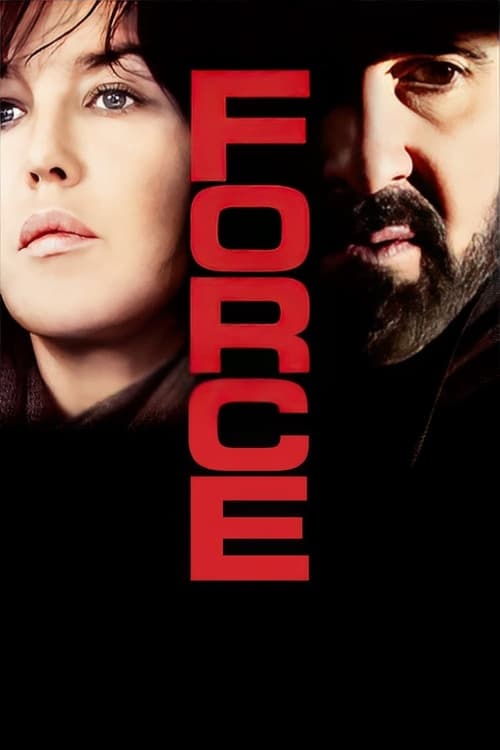
The movie "22 Bullets," released in 2010, does not have a post-credit scene. The film concludes its narrative without any additional scenes or content after the credits roll. The story wraps up with the resolution of the main plot, focusing on the protagonist, Charly Mattei, and his quest for vengeance against those who betrayed him. The absence of a post-credit scene allows the audience to reflect on the intense journey and the emotional weight of Charly's experiences throughout the film.
What motivates Charly Mattei to seek revenge after being shot?
Charly Mattei, played by Jean Reno, is driven by a deep sense of betrayal and the desire to protect his family. After surviving an assassination attempt where he is shot 22 times, he is fueled by anger towards those who tried to kill him, particularly because he had left his criminal past behind to lead a peaceful life. His internal conflict between his violent past and his wish for a normal life intensifies his quest for vengeance.
How does Charly Mattei's relationship with his family evolve throughout the film?
Charly's relationship with his family, especially with his wife and children, is central to his character development. Initially, he is seen as a loving husband and father, trying to shield them from his past. However, as the threats against him escalate, his family becomes embroiled in the violence, leading to moments of tension and fear. Charly's determination to protect them ultimately drives his actions, showcasing his deep love and commitment, even as he is pulled back into a world of crime.
What role does the character of the police officer, Commissioner Farge, play in the story?
Commissioner Farge, portrayed by the actor, serves as a foil to Charly Mattei. He represents the law and order that Charly has tried to distance himself from. Throughout the film, Farge is torn between his duty to uphold the law and his understanding of Charly's past. His interactions with Charly reveal the complexities of their relationship, as Farge often finds himself reluctantly admiring Charly's resolve while also trying to bring him to justice.
What is the significance of the title '22 Bullets' in relation to Charly Mattei's experience?
The title '22 Bullets' directly refers to the number of times Charly Mattei is shot during the assassination attempt. This brutal act serves as a pivotal moment in the film, symbolizing his near-death experience and the violent world he is trying to escape. The bullets represent not only the physical threat to his life but also the emotional and psychological scars that he carries as he embarks on his quest for revenge.
How does the film depict Charly Mattei's transformation from a retired mobster to a vengeful figure?
Charly Mattei's transformation is depicted through a series of intense and emotional scenes. Initially, he is shown as a man trying to live a quiet life, enjoying moments with his family and reflecting on his past. However, after the assassination attempt, his demeanor shifts dramatically. The pain of betrayal and the instinct for survival awaken his old instincts, leading him to embrace violence once more. This transformation is marked by a series of confrontations with former associates and enemies, showcasing his internal struggle and the toll that vengeance takes on his soul.
Is this family friendly?
"22 Bullets," a 2010 French action film, is not considered family-friendly due to its intense and violent content. Here are some potentially objectionable or upsetting aspects that may affect children or sensitive viewers:
-
Graphic Violence: The film features numerous scenes of gun violence, including shootouts and bloodshed, which are depicted in a realistic and brutal manner.
-
Murder and Assassination: The protagonist is involved in a world of crime, leading to scenes that depict murder and the consequences of a violent lifestyle.
-
Emotional Trauma: Characters experience significant emotional distress, including grief and loss, which may be upsetting for younger viewers.
-
Themes of Revenge: The central theme revolves around revenge, which may not be suitable for children and can provoke discussions about morality and justice.
-
Strong Language: The film contains coarse language that may not be appropriate for younger audiences.
-
Drug References: There are references to drug use and the criminal underworld, which may be concerning for sensitive viewers.
Overall, the film's mature themes and graphic content make it more suitable for adult audiences.