














Popular
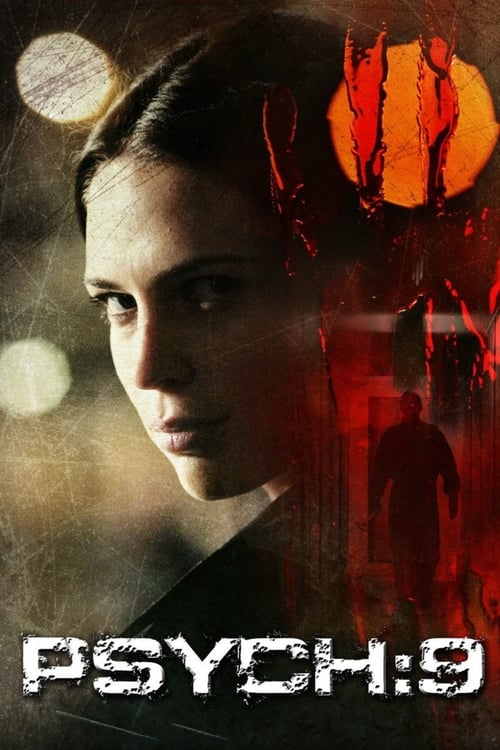
What is the significance of the abandoned hospital in Psych:9?
How does the character of Roslyn become involved with the police investigation?
What role does the character of the detective play in Roslyn's journey?
What are the implications of Roslyn's visions throughout the film?
How does the film explore the theme of isolation through Roslyn's character?
Should I watch it?
Ask Your Own Question

What is the plot?
Sorry, we aren't able to watch and write up a full detailed plot yet. Check back in a few days.



What is the ending?
In the ending of "Psych:9," the protagonist, a woman named Roslyn, confronts the truth about her past and the events that have been haunting her. As she delves deeper into the mystery surrounding the abandoned hospital where she works, she discovers that she has been manipulated and that her own mind has been a battleground for her trauma. The film culminates in a shocking revelation about her identity and the nature of her experiences, leading to a tragic conclusion.
As the film approaches its climax, Roslyn is increasingly drawn into the dark history of the hospital. She has been experiencing visions and hearing voices, which she initially attributes to her mental state. However, as she investigates further, she learns that the hospital was the site of gruesome murders, and she begins to suspect that she may be connected to these events in a way she cannot fully comprehend.
In a pivotal scene, Roslyn confronts a figure from her past, a man named Dr. Harlan, who has been a source of both comfort and confusion for her. Their conversation reveals the depth of her trauma and the extent to which her memories have been manipulated. As the truth unravels, Roslyn realizes that she has been a pawn in a larger game, one that involves her own psyche and the ghosts of those who suffered in the hospital.
The tension escalates as Roslyn faces off against the malevolent forces that have been haunting her. In a final confrontation, she is forced to confront her own fears and the reality of her situation. The film's climax is marked by a series of intense and surreal sequences that blur the lines between reality and hallucination. Roslyn's struggle becomes a desperate fight for her own sanity and survival.
Ultimately, the film concludes with a tragic twist. Roslyn's journey leads her to a place of self-discovery, but it also reveals the extent of her psychological scars. The final scenes depict her grappling with the consequences of her past, leaving viewers with a haunting sense of ambiguity about her fate. The film ends on a somber note, emphasizing the themes of trauma, identity, and the fragility of the human mind.
In summary, Roslyn's fate is left uncertain, as she is left to navigate the aftermath of her revelations. The other characters, including Dr. Harlan, are also left with their own unresolved issues, highlighting the pervasive impact of trauma and the complexities of the human experience. The film closes with a lingering sense of unease, inviting viewers to reflect on the nature of reality and the shadows that linger in the corners of the mind.
Is there a post-credit scene?
In the movie "Psych:9," there is no post-credit scene. The film concludes without any additional scenes or content after the credits roll. The story wraps up with the resolution of the main plot, focusing on the psychological unraveling of the protagonist, Roslyn, and the implications of her experiences throughout the film. The ending leaves viewers with a sense of ambiguity regarding her fate and the nature of her reality, but it does not include any further scenes or revelations after the credits.
What is the significance of the abandoned hospital in Psych:9?
The abandoned hospital serves as a central location in 'Psych:9', symbolizing the protagonist's mental state and the haunting past she is trying to escape. It is where much of the film's tension unfolds, as it is filled with dark memories and the presence of the supernatural. The hospital's eerie atmosphere amplifies the psychological horror elements, reflecting the protagonist's internal struggles.
How does the character of Roslyn become involved with the police investigation?
Roslyn, played by Sara Foster, becomes involved with the police investigation after she starts experiencing strange occurrences linked to the abandoned hospital. Her job as a night shift worker at a psychiatric facility leads her to uncover clues about a series of murders that occurred in the hospital, drawing her deeper into the mystery and forcing her to confront her own psychological issues.
What role does the character of the detective play in Roslyn's journey?
The detective, portrayed by Michael Biehn, acts as both an ally and a source of tension for Roslyn. He is investigating the murders connected to the hospital and becomes intrigued by Roslyn's insights and experiences. His presence pushes Roslyn to confront her fears and the reality of her situation, while also adding layers of suspense as he navigates the complexities of the case.
What are the implications of Roslyn's visions throughout the film?
Roslyn's visions are crucial to the narrative, as they blur the lines between reality and hallucination. These visions reflect her trauma and mental instability, revealing her past and the psychological scars she carries. They serve as a narrative device that heightens the suspense and mystery, leading both Roslyn and the audience to question what is real and what is a product of her fractured mind.
How does the film explore the theme of isolation through Roslyn's character?
Isolation is a key theme in 'Psych:9', particularly through Roslyn's character. As she navigates her night shifts in the empty hospital and deals with her haunting past, her sense of loneliness intensifies. The film visually represents her isolation through dimly lit corridors and empty rooms, emphasizing her emotional detachment from the world and her struggle to connect with others, including the detective.
Is this family friendly?
"Psych:9," produced in 2010, is not considered family-friendly due to its intense themes and disturbing content. Here are some potentially objectionable or upsetting aspects that may affect children or sensitive viewers:
-
Psychological Horror Elements: The film delves into themes of mental illness and psychological trauma, which may be unsettling for younger audiences or those sensitive to such topics.
-
Violence and Gore: There are scenes that depict violence, including blood and injury, which can be graphic and disturbing.
-
Disturbing Imagery: The film contains unsettling visuals that may evoke fear or anxiety, contributing to a tense atmosphere.
-
Themes of Death and Grief: The narrative explores heavy themes surrounding death, loss, and the impact of trauma, which may be emotionally challenging for some viewers.
-
Adult Language and Situations: There are instances of strong language and adult situations that may not be appropriate for children.
Overall, the film's psychological intensity and mature themes make it more suitable for adult audiences rather than children or sensitive viewers.







