



























Popular
What is the significance of the name 'Shutter Island' in the story?
What role does the character Andrew Laeddis play in Teddy Daniels' investigation?
How does the character of Dr. John Cawley influence the plot?
What is the importance of the lighthouse in the story?
How does the character of Dolores Chanal affect Teddy's psyche?
Should I watch it?
Ask Your Own Question

What is the plot?
Sorry, we aren't able to watch and write up a full detailed plot yet. Check back in a few days.

What is the ending?
In the ending of "Shutter Island," Teddy Daniels, who is revealed to be Andrew Laeddis, confronts the truth about his past and the reality of his situation. After a series of intense revelations, he ultimately chooses to accept his fate rather than live with the guilt of his actions. The film concludes with him sitting on the steps of the lighthouse, where he asks his partner if it is better to live as a monster or die as a good man, suggesting he is aware of his reality but prefers to escape it.
As the film approaches its climax, Teddy Daniels, played by Leonardo DiCaprio, finds himself in the eerie confines of Shutter Island, a mental institution for the criminally insane. The atmosphere is thick with tension, and the oppressive landscape mirrors his internal turmoil. He has been investigating the disappearance of a patient named Rachel Solando, but as the story unfolds, it becomes clear that he is grappling with much more than a simple case.
In the penultimate scenes, Teddy, now fully aware that he is actually Andrew Laeddis, the 67th patient of the institution, confronts Dr. John Cawley, portrayed by Ben Kingsley. The confrontation takes place in the lighthouse, a symbol of both enlightenment and isolation. Dr. Cawley explains the truth: Andrew had created the persona of Teddy Daniels to escape the unbearable guilt of having killed his manic-depressive wife, Dolores, after she drowned their three children. The revelation is devastating, and Andrew's emotional state shifts from confusion to a painful acceptance of his reality.
As Andrew processes this truth, he experiences a flood of memories, each one more haunting than the last. The audience sees flashbacks of his life before the tragedy, filled with love and warmth, juxtaposed against the horror of his actions. The weight of his guilt is palpable, and the emotional turmoil is reflected in his eyes, filled with tears and regret.
In the final moments, Andrew is taken outside after his confrontation with Dr. Cawley. He sits on the steps of the lighthouse, a place that symbolizes both his past and his potential for redemption. He turns to his partner, Chuck Aule, who is revealed to be Dr. Sheehan, and asks a poignant question: "Which would be worse: to live as a monster, or to die as a good man?" This line encapsulates his internal struggle and the choice he faces. It suggests that Andrew is aware of his reality but is contemplating a final escape from the pain of his memories.
As the film concludes, Andrew is led away by the orderlies, and the audience is left to ponder his fate. The implication is that he has chosen to embrace the illusion of Teddy Daniels rather than confront the horror of his actions. The fate of Dr. Cawley and Dr. Sheehan remains ambiguous, but they are left to manage the consequences of Andrew's choice, highlighting the complexities of mental health treatment and the moral dilemmas faced by those who care for the afflicted.
In summary, the ending of "Shutter Island" is a powerful culmination of Andrew Laeddis's journey through grief, guilt, and the search for identity, leaving viewers with lingering questions about the nature of reality and the human psyche.
Is there a post-credit scene?
The movie "Shutter Island," produced in 2010, does not have a post-credit scene. The film concludes with a powerful and ambiguous final exchange between Teddy Daniels, played by Leonardo DiCaprio, and Chuck Aule, portrayed by Mark Ruffalo. After a tense and emotional climax, Teddy, who has been grappling with his identity and the traumatic memories of his past, poses a haunting question to Chuck: "Which would be worse: to live as a monster, or to die as a good man?" This line leaves viewers contemplating the nature of reality, sanity, and the depths of human suffering. The film fades to black, and the credits roll without any additional scenes or content following them.
What is the significance of the name 'Shutter Island' in the story?
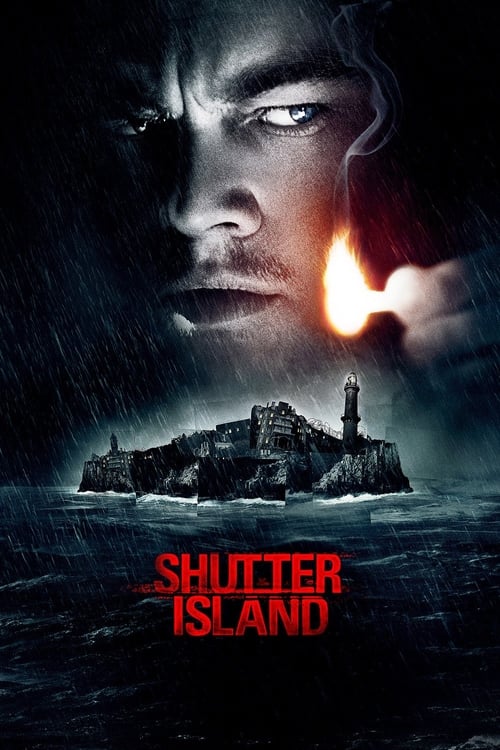
Shutter Island serves as both a literal and metaphorical setting for the film. It is the location of Ashecliffe Hospital, a mental institution for the criminally insane. The name itself evokes a sense of confinement and isolation, reflecting the psychological struggles of the characters, particularly Teddy Daniels, as he navigates the dark secrets of the island and his own mind.
What role does the character Andrew Laeddis play in Teddy Daniels' investigation?
Andrew Laeddis is a pivotal character in Teddy Daniels' investigation. Initially believed to be a missing patient, Laeddis is revealed to be the person responsible for the death of Teddy's wife, Dolores. This revelation is crucial as it forces Teddy to confront his own guilt and trauma, ultimately leading to the unraveling of his mental state and the truth about his identity.
How does the character of Dr. John Cawley influence the plot?
Dr. John Cawley, the chief psychiatrist at Ashecliffe, plays a significant role in the unfolding of the plot. He is both a guide and a manipulator, orchestrating events to lead Teddy to the truth about himself. Cawley's calm demeanor contrasts with the chaos surrounding Teddy, and his interactions reveal the layers of deception and the ethical dilemmas of psychiatric treatment during that era.
What is the importance of the lighthouse in the story?
The lighthouse on Shutter Island symbolizes the ultimate truth and the culmination of Teddy's journey. It represents a place of revelation where the darkest secrets are kept. Throughout the film, Teddy is drawn to the lighthouse, believing it to be the site of unethical experiments. Its eventual revelation as a place of truth underscores the themes of reality versus illusion and the struggle for self-acceptance.
How does the character of Dolores Chanal affect Teddy's psyche?
Dolores Chanal, Teddy's deceased wife, profoundly impacts his psyche throughout the film. She appears in visions and hallucinations, representing Teddy's guilt and unresolved grief over her death. Her presence serves as a haunting reminder of his past and the trauma he cannot escape, ultimately driving him to seek answers on Shutter Island and confront the reality of his actions.
Is this family friendly?
"Shutter Island," produced in 2010, is not considered family-friendly due to its intense themes and disturbing content. Here are some potentially objectionable or upsetting aspects that may affect children or sensitive viewers:
-
Violence and Gore: The film contains scenes of violence, including physical confrontations and the aftermath of violent acts, which may be graphic and unsettling.
-
Mental Illness: The portrayal of mental illness is central to the plot, featuring characters who exhibit severe psychological distress, which could be distressing for some viewers.
-
Death and Trauma: There are references to death, trauma, and loss, including flashbacks that depict tragic events, which may evoke strong emotional reactions.
-
Tension and Suspense: The film is filled with a pervasive sense of dread and suspense, which can be anxiety-inducing, especially for younger audiences.
-
Dark Themes: The exploration of themes such as guilt, betrayal, and the nature of reality can be complex and unsettling, potentially leading to confusion or distress.
-
Disturbing Imagery: Certain visual elements, including unsettling dream sequences and hallucinations, may be frightening or disturbing.
Overall, the film's mature themes and intense atmosphere make it more suitable for adult audiences.