

































Popular
What motivates Boris Godunov to become Tsar despite the consequences?
How does the character of Grigory Otrepyev influence the plot?
What role does the Russian populace play in the story of Boris Godunov?
How does Boris Godunov's relationship with his family affect his decisions?
What is the significance of the character of the monk Pimen in the story?
Should I watch it?
Ask Your Own Question

What is the plot?
Sorry, we aren't able to watch and write up a full detailed plot yet. Check back in a few days.


What is the ending?
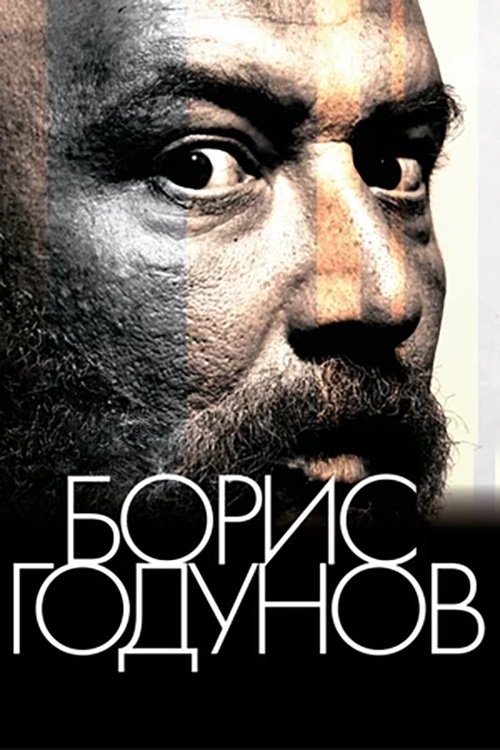
In the ending of the 2011 film "Boris Godunov," Boris, the troubled Tsar of Russia, faces the consequences of his actions and the weight of his guilt. As he grapples with his inner demons, he becomes increasingly isolated and paranoid. The film culminates in his death, which is marked by a sense of tragedy and inevitability. The fate of other characters, such as the pretender Dmitry and Boris's family, is also sealed in this turbulent conclusion, reflecting the chaos of the time.
As the film approaches its climax, we see Boris Godunov, now a weary and tormented ruler, sitting alone in his chamber. The weight of his decisions hangs heavily upon him, and he is haunted by visions of the past, particularly the murder of the young Tsarevich Dmitry, which he orchestrated to secure his throne. The atmosphere is thick with tension, and Boris's mental state deteriorates as he becomes increasingly paranoid about threats to his rule.
In a pivotal scene, Boris is confronted by his advisors, who express their concerns about the growing unrest among the people and the rise of the pretender Dmitry, who claims to be the rightful heir. Boris's desperation is palpable; he knows that his grip on power is slipping. He lashes out at his advisors, revealing his fear and insecurity. The camera captures the flickering candlelight, casting shadows that mirror Boris's internal turmoil.
As the unrest escalates, we see the common people rising against Boris's regime, fueled by the hope that Dmitry will restore justice. The film shifts to scenes of rebellion, with peasants rallying together, their faces filled with determination and anger. This uprising serves as a stark contrast to Boris's isolation, highlighting the disconnect between the ruler and his subjects.
In a moment of profound despair, Boris's health begins to fail him. He collapses in his chamber, wracked with guilt and fear. His family, particularly his son Fyodor, is drawn into the chaos as they witness their father's decline. The emotional weight of the scene is intensified by the haunting music that underscores Boris's final moments. He is left alone, grappling with the consequences of his ambition and the blood on his hands.
As Boris takes his last breaths, the film cuts to the pretender Dmitry, who is now gaining momentum among the people. The final scenes juxtapose Boris's death with Dmitry's rise, symbolizing the cyclical nature of power and the inevitable fall of tyrants. The film closes with a sense of foreboding, as the camera lingers on the chaos outside the palace, suggesting that the struggle for power in Russia is far from over.
In the end, Boris Godunov dies alone, consumed by his guilt and the realization that his reign has brought nothing but suffering. Dmitry, on the other hand, stands poised to claim his place in history, representing hope for some and a new threat for others. The fates of the characters intertwine, leaving a haunting reminder of the cost of ambition and the fragility of power.
Is there a post-credit scene?
The 2011 film "Boris Godunov," directed by Dmitry Tcherniakov, does not feature a post-credit scene. The film concludes with a powerful and somber ending that encapsulates the themes of power, guilt, and the human condition, leaving the audience to reflect on the tragic fate of Boris and the political turmoil of Russia during his reign. The absence of a post-credit scene aligns with the film's serious tone and focus on the dramatic narrative rather than providing additional content or light-hearted moments after the credits.
What motivates Boris Godunov to become Tsar despite the consequences?
Boris Godunov's ambition to become Tsar is driven by a deep-seated desire for power and legitimacy. He grapples with the weight of his past actions, particularly the role he played in the death of Tsarevich Dmitry, which haunts him throughout the film. His internal conflict is palpable as he seeks to secure his position while battling guilt and paranoia.
How does the character of Grigory Otrepyev influence the plot?
Grigory Otrepyev, who poses as the deceased Tsarevich Dmitry, becomes a pivotal figure in the story. His emergence as a rival to Boris Godunov stirs unrest among the people and the nobility. Grigory's charisma and the belief in his claim to the throne ignite hope among the populace, leading to a series of events that challenge Boris's rule and ultimately push him towards desperation.
What role does the Russian populace play in the story of Boris Godunov?
The Russian populace serves as a crucial backdrop to the narrative, reflecting the turmoil and discontent of the era. Their reactions to Boris Godunov's reign, marked by famine and suffering, illustrate the disconnect between the ruler and the ruled. The people's growing support for Grigory Otrepyev highlights their desire for change and justice, which adds tension to Boris's already precarious position.
How does Boris Godunov's relationship with his family affect his decisions?
Boris's relationship with his family, particularly with his children, adds layers to his character. His protective instincts clash with his ruthless political maneuvers, creating a tension between his paternal love and his ambition. The fear of losing his family to the political machinations surrounding him influences his increasingly paranoid and tyrannical behavior.
What is the significance of the character of the monk Pimen in the story?
The monk Pimen serves as a moral compass and a voice of reason in the tumultuous world of Boris Godunov. His reflections on history and the nature of power provide insight into the consequences of ambition and tyranny. Pimen's interactions with Boris reveal the Tsar's inner turmoil and the philosophical underpinnings of the struggle for power, emphasizing the weight of legacy and the search for redemption.
Is this family friendly?
The 2011 film "Boris Godunov" is based on the historical events surrounding the Russian Tsar Boris Godunov and is adapted from the play by Alexander Pushkin. While it is a dramatic and artistic interpretation, it contains several elements that may not be suitable for children or sensitive viewers.
-
Violence and Death: The film includes scenes depicting political intrigue and violence, including the consequences of power struggles, which may involve bloodshed or the aftermath of battles.
-
Themes of Betrayal and Ambition: The narrative explores dark themes such as betrayal, ambition, and the moral dilemmas faced by characters, which can be intense and unsettling.
-
Emotional Turmoil: Characters experience significant emotional distress, including despair, madness, and guilt, which may be difficult for younger audiences to process.
-
Historical Context: The film portrays a tumultuous period in Russian history, which may include references to suffering and hardship that could be upsetting.
-
Mature Language and Dialogue: The dialogue may contain mature themes and language that could be inappropriate for younger viewers.
Overall, while the film is a significant artistic work, its mature themes and emotional depth may not be suitable for all audiences, particularly children.









